
2 Days Kyoto Itinerary: How to See the Best of Kyoto in 48 Hours
Last Updated on March 23, 2026 by Audrey
Wondering how to fit the must-see sites in your 2 days Kyoto itinerary?

If it’s your first time going to Japan, visiting Kyoto is pretty much a non-negotiable.
I’ve visited Kyoto 3 times, and have to admit I love Kyoto much more than Tokyo or Osaka. Not only does Kyoto have utterly breathtaking historic temples and shrines, but it’s still a major city with tons of delicious restaurants and shops to explore. So I feel like I’m getting the best of both worlds from Old and Modern Japan when I visit Kyoto!
To be honest, 2 days in Kyoto is limiting, as the major attractions in Kyoto are pretty spaced out. Plus, with 17 UNESCO World Heritage Sites, how the heck are you supposed to plan which one to see? You don‘t have a choice, you need to plan what sites you’re going to dedicate the day to in advance so you don’t waste precious time. But that’s why you’re on this page right now, right?
In this travel guide, I’ll go over exactly what your 2 days Kyoto itinerary should consist of, based on my experiences from all my last visits. I’ll also include other attractions you might like, my favorite restaurants that I recommend, and the best hotels and ryokans that I loved staying in.
Don't Miss My Top Choice!
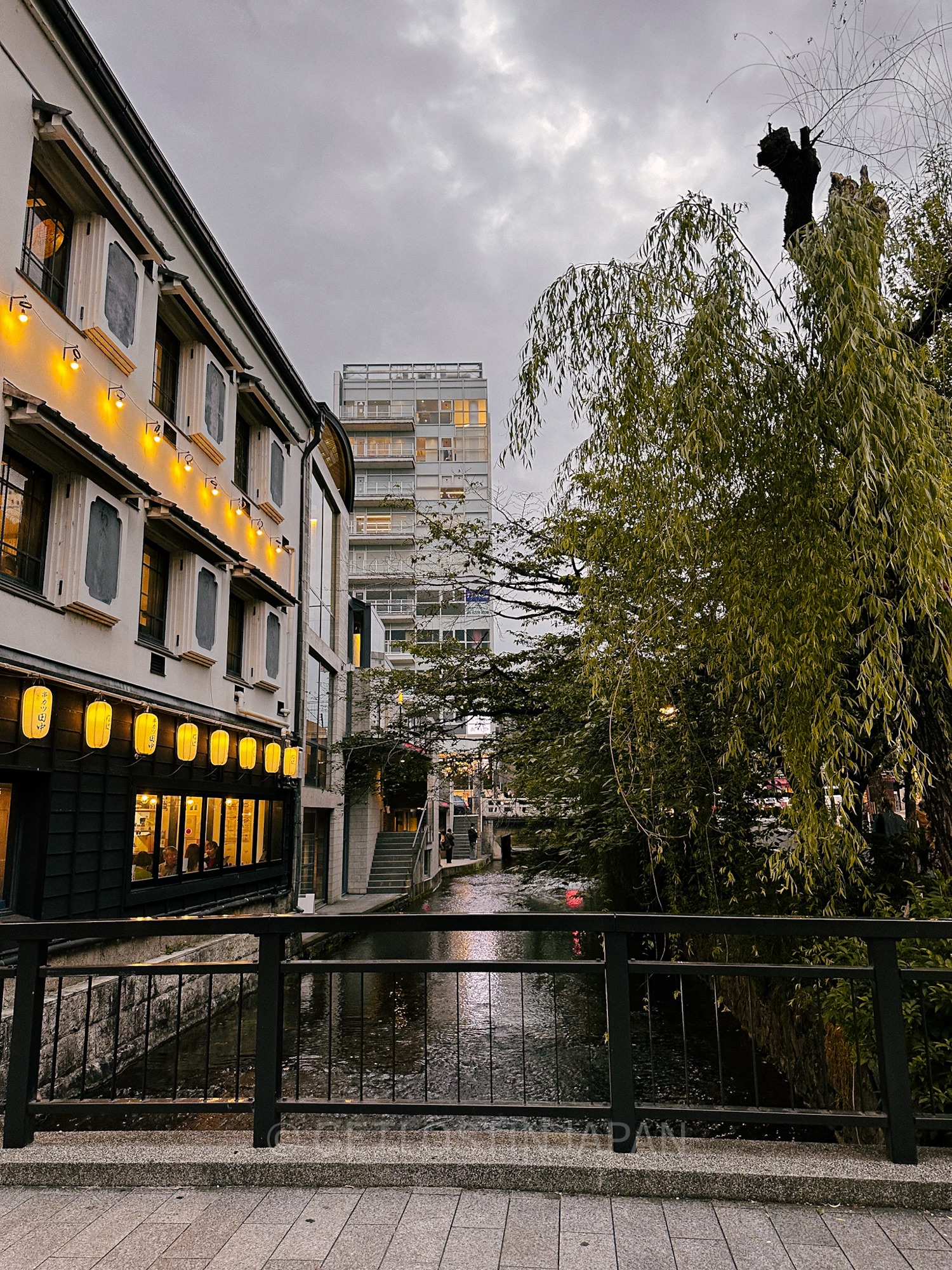
The tour I loved the most and suggest booking ASAP is this one!
I took this evening foodie tour of Kyoto and LOVED it! We explored the hidden streets of Gion, saw a stunning geisha, and had a delicious kaiseki course dinner, all while listening to amazing stories and cultural gems from our knowledgeable guide.
Check out the countless 5-star reviews and book this tour here!

Free 2 day Kyoto Itinerary Map
2 Day Itinerary in Kyoto
This guide assumes that you have 2 full days to spend in Kyoto, not including travel time. So let’s hit the ground running!
Day 1 in Kyoto: Central Kyoto Area
Morning - Fushimi Inari Taisha (Thousand Torii Gates)
It’s best to begin your day with Fushimi Inari, since it’s technically a hike, and probably the most popular landmark in all of Kyoto.
This is the iconic Shinto shrine with thousands of bright red torii gates that line all the way up the mountain, creating a tunnel-like pathway. This is the spot you’ve seen all over Instagram, and it’s a must-see.

I’ve hiked Fushimi Inari three times now, though truthfully I’ve never actually made it all the way to the top. It’s a long climb, and there are better ways to spend your time if you’ve only got two days in Kyoto!
Most people aim for the Yotsutsuji intersection, which you can reach in about 45 minutes. This is where the torii gates start to spread apart and you start to see a beautiful view over Kyoto.
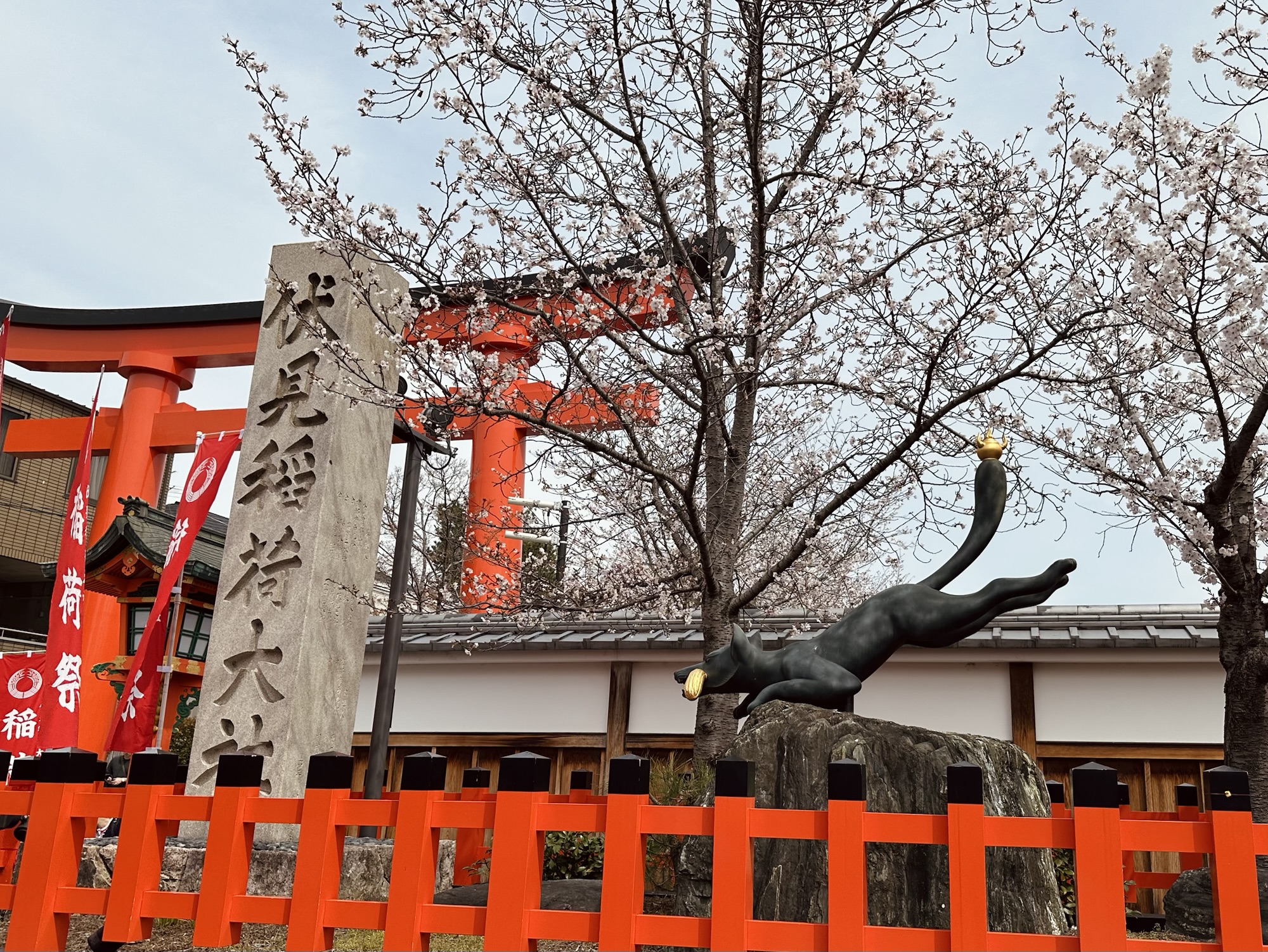
The shrine is open 24 hours, so if you can manage to arrive before breakfast I recommend it. You’ll get to enjoy the vibrant red gates before all the crowds arrive, and won’t have to deal with randoms in your photos.
At the entrance, there are tons of souvenir shops selling fox and torii-themed souvenirs, as well as street food. Most of them close in the afternoon around 3-4 PM, so you have time to shop after you come back down.
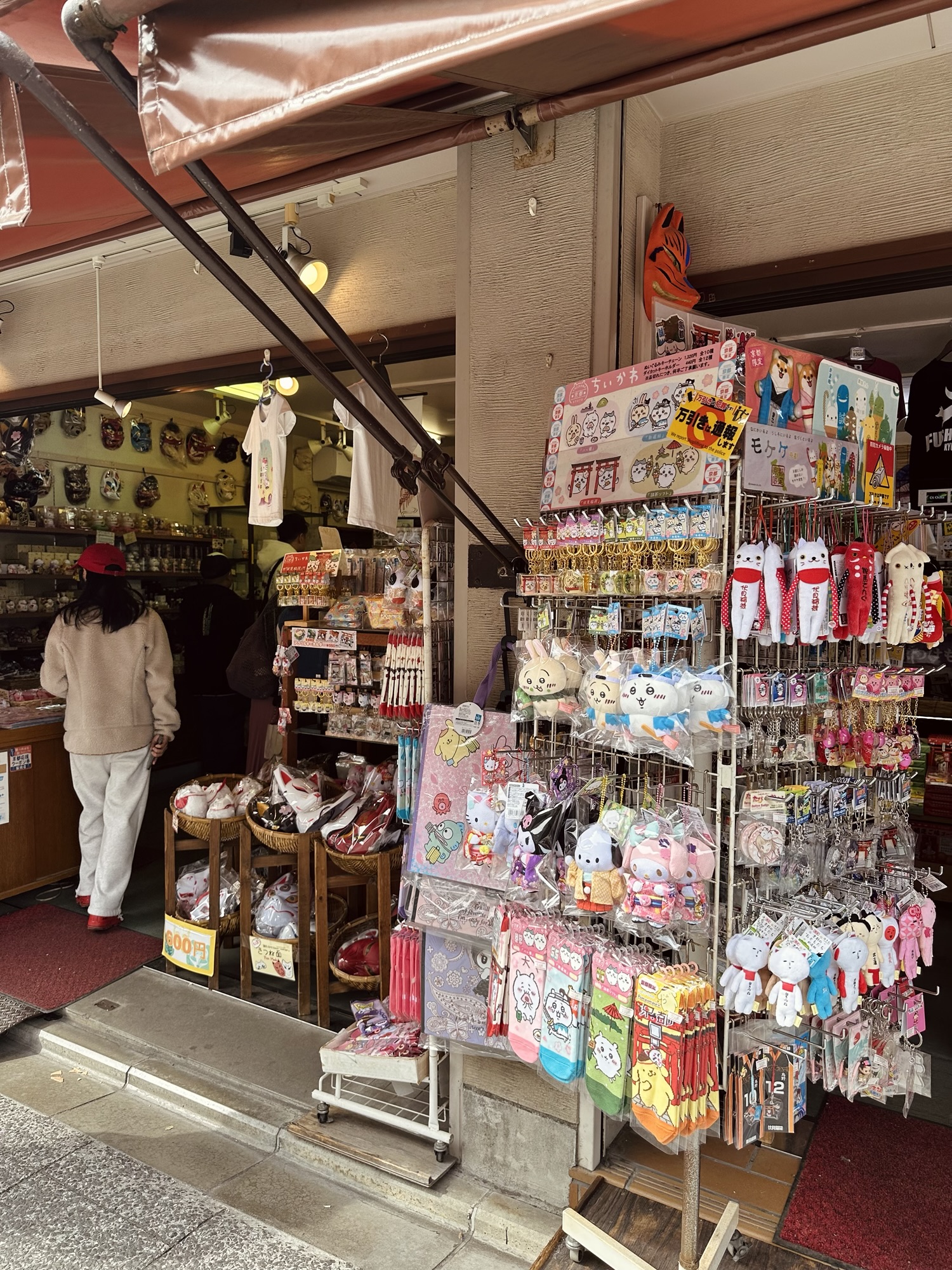
Fushimi Inari will always have a little bit of a crowd (unless you come at sunrise), so don’t even attempt taking photos when you first see the red gates.. Keep walking further along the trail and you’ll eventually find an empty spot for some photos. Hopefully.
⛩️ Check out over 5,000 5-star reviews and enjoy FREE cancellation on this Fushimi Inari Tour! ⛩️
Lunch at Nishiki Market
If you don’t dawdle at Fushimi Inari, you can squeeze in a quick visit to Nishiki Market for lunch and souvenirs.
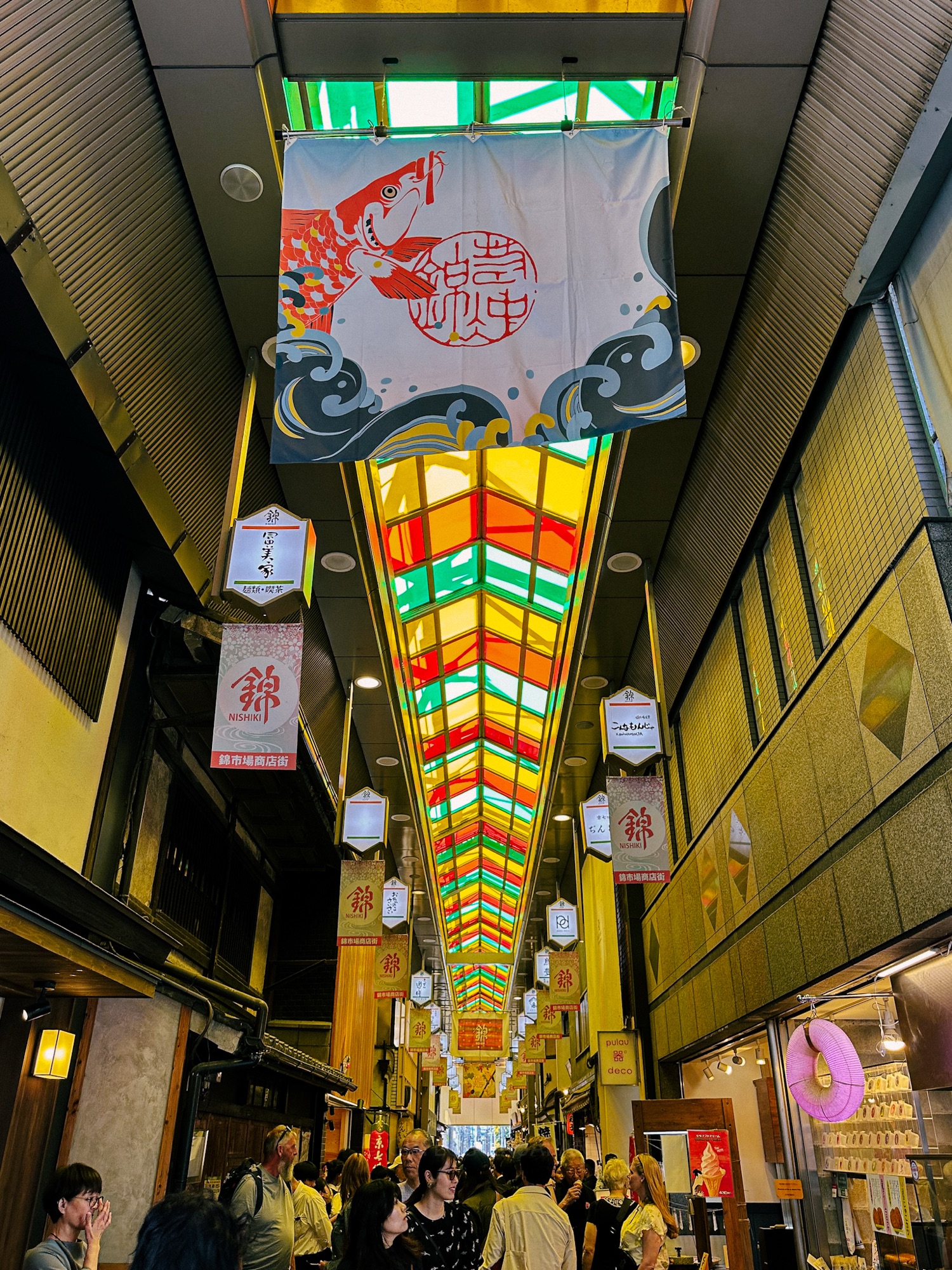
Known as “Kyoto’s Kitchen”, Nishiki Market has been operating for over 400 years and is packed with stalls selling everything from fresh seafood and local produce, to traditional sweets, ceramics, and regional specialties.
It’s the perfect spot for a street food lunch, with vendors offering tempura, sashimi, grilled seafood, yuba (tofu skin), and sabazushi (mackerel sushi). There are sitting areas as well, in case you want to enjoy your meal.
🍙 Want to take a food tour of Nishiki Market with a local? Click Here! 🍡
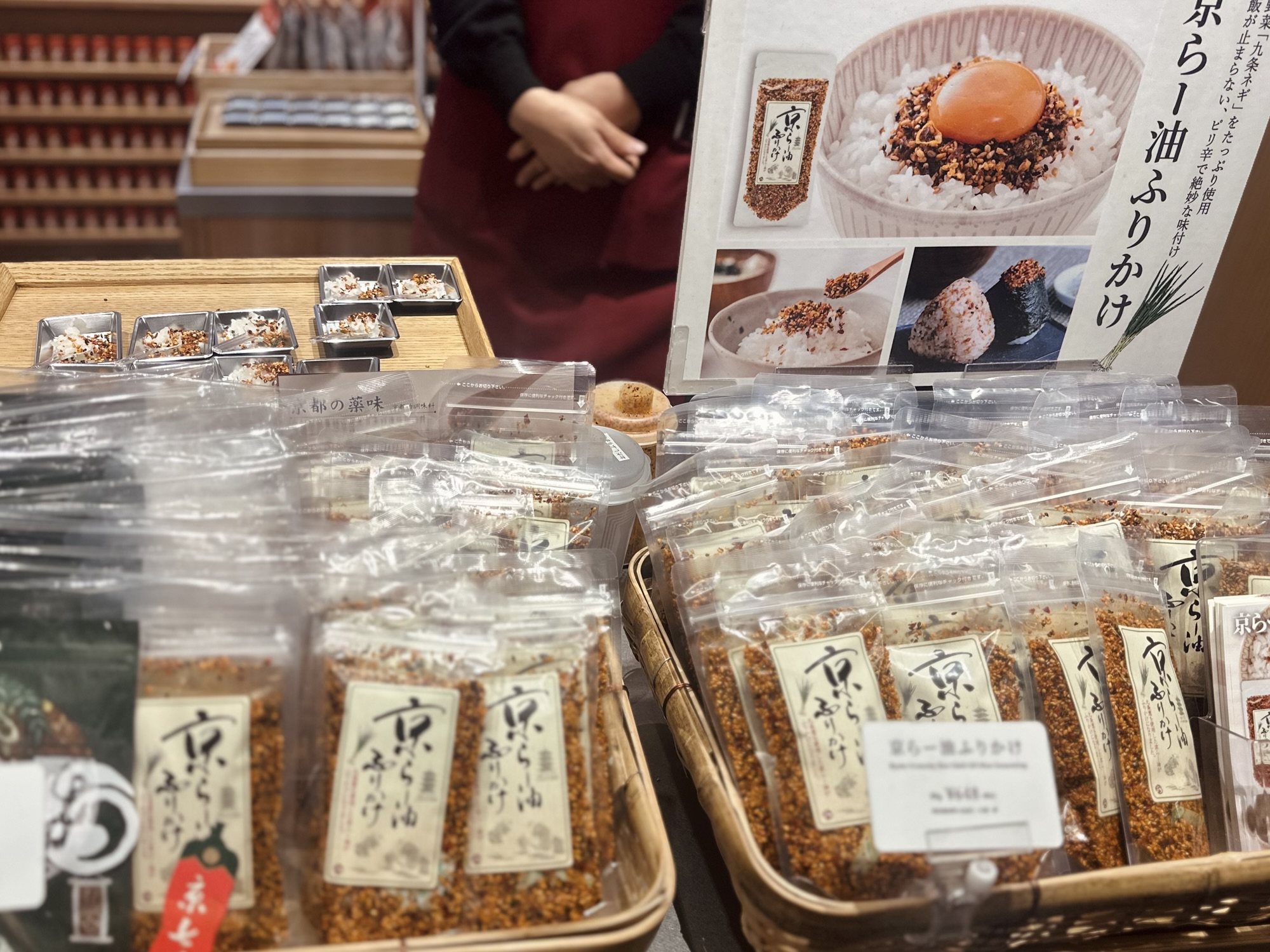
When I visited, I bought Hojicha tea, miso, and discovered my ultimate rice topper, Kyo-Rayu furikake made by Ochanoko saisai. I put it on everything, and bought 12 (that’s right, TWELVE) bags last time I went to Kyoto. If you like chili oil, make sure to grab a bag!
👍 Pro tip: It’s a 25 minute train ride from Fushimi Inari to Nishiki Market, so if you can’t wait for lunch you may end up eating around Fushimi Inari. The lunch options aren’t as good around Fushimi Inari Station, though.
Afternoon - Kiyomizu-dera Temple
Kiyomizu-dera is my favorite temple in Kyoto for its sheer beauty and breathtaking views, so this is another must-see for your first time here!
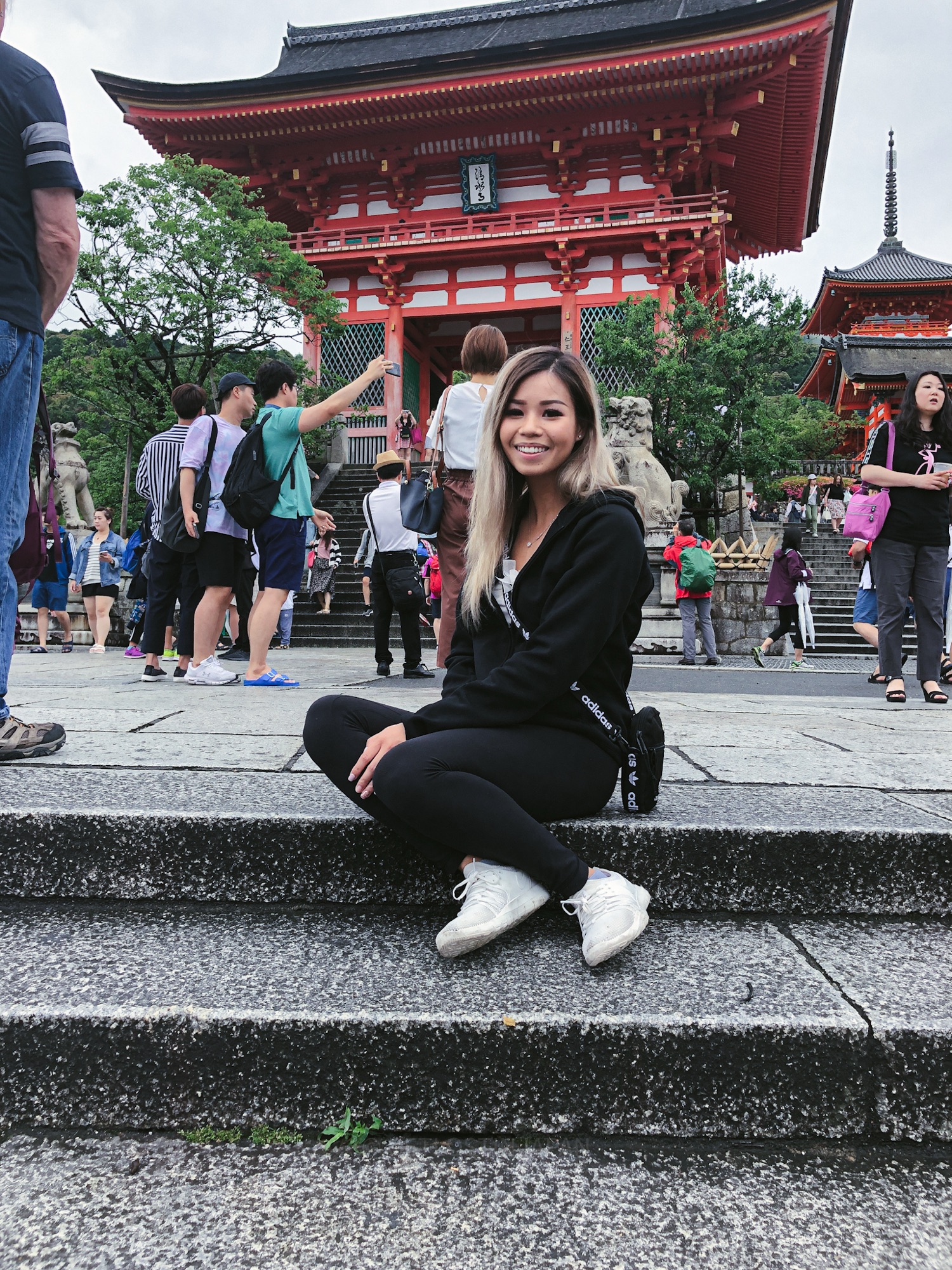
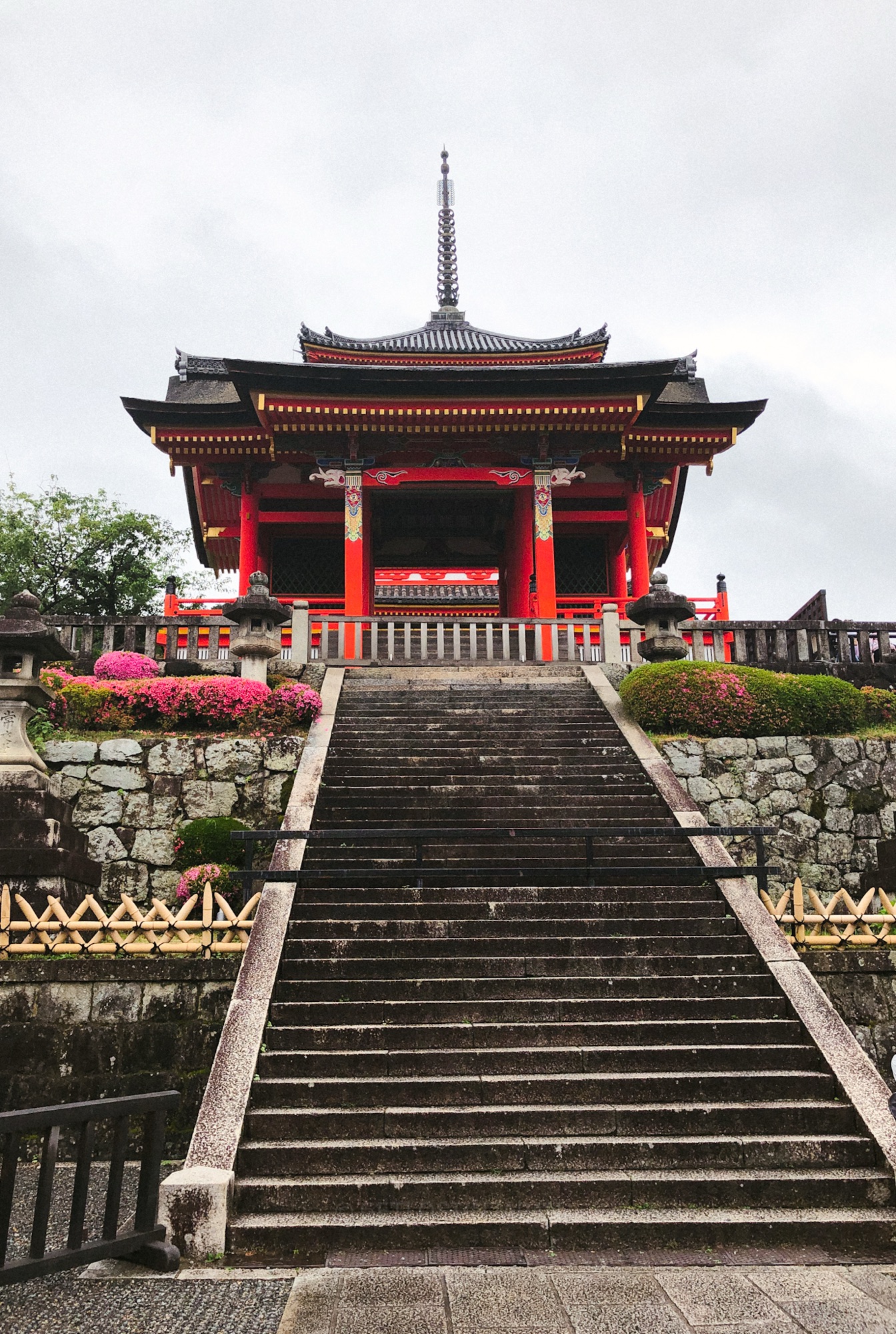
Built halfway up Mount Otowa, this 8th-century Buddhist temple is one of the most photographed sites in Japan. The towering wooden building that protrudes over the hillside creates a surreal panorama of the city. To see the temple, the sky, and nature all together paints an image that takes your breath away.
It’s also one of the top areas to visit during cherry blossom season (but gets crazy crowded).
As you explore, you can pay your respects to Kannon, the temple’s deity and the goddess of mercy, and stroll beneath the seasonal blooming trees.
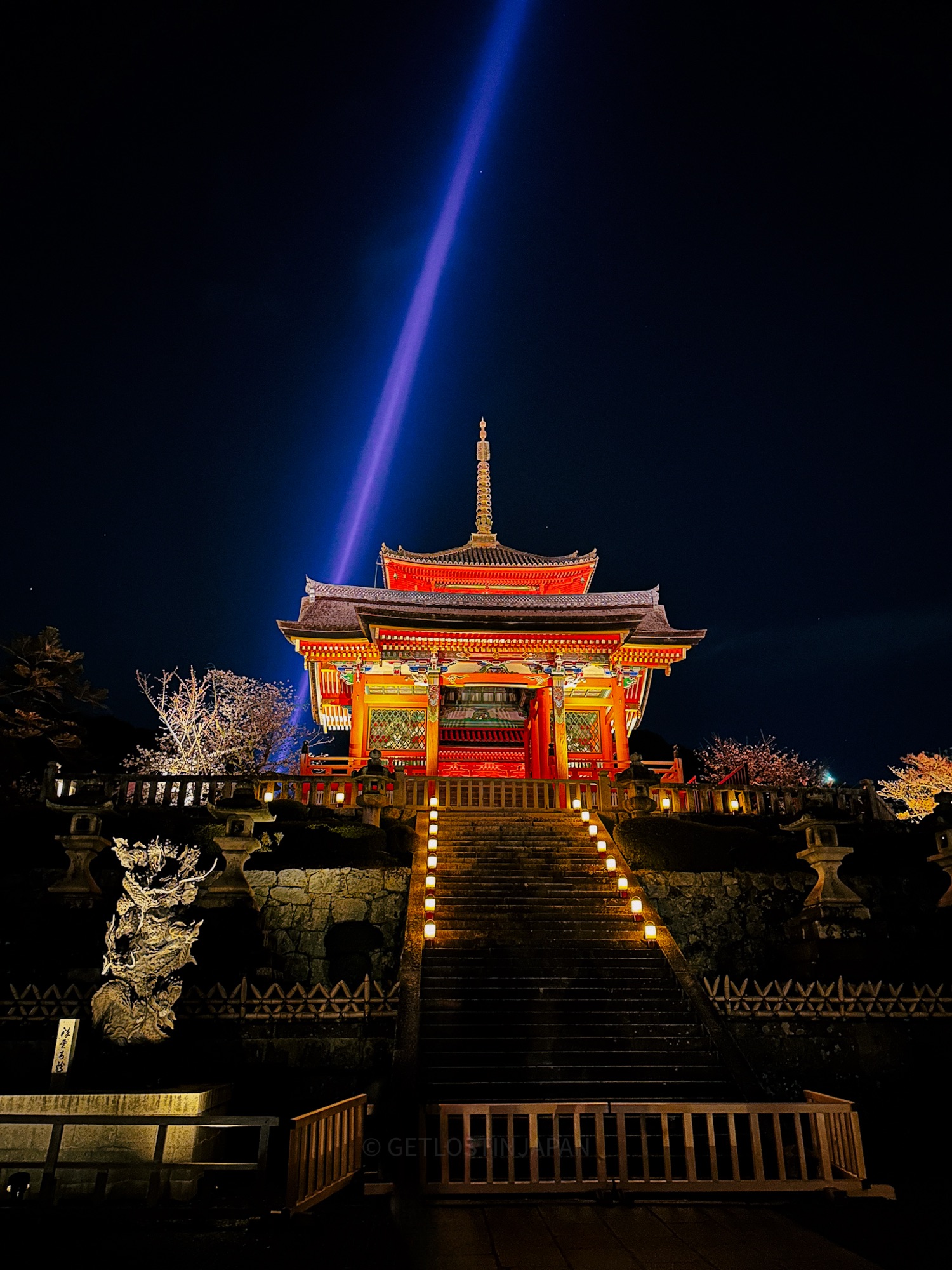
After you head back down the hill, you’ll see tons of local shops, street food stalls, and fantastic restaurants, so take your time browsing as you walk through the historic streets.
I recommend trying one of my favorite sweet snacks local to Kyoto here, the triangle mochi from Shogoin Yatsuhashi Sohonten. It’s incredibly soft and perfectly sweet, with tons of different flavors like matcha, strawberry, and my personal favorite, chocolate banana.
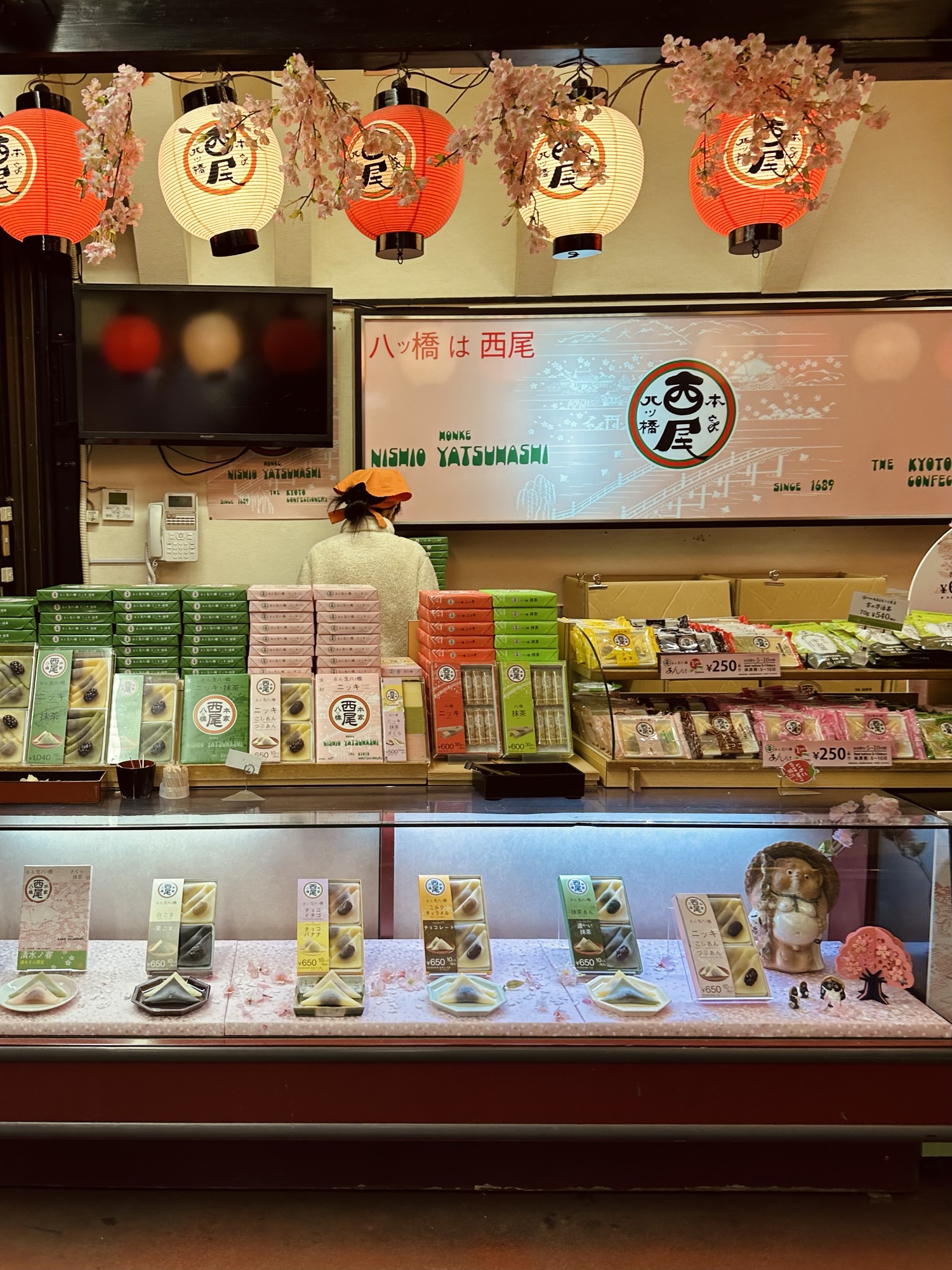
👍 Pro tip: It’s a steep slope to head up to Kiyomizu-dera, so it might not be suitable for those who have difficulty walking.
Mid-afternoon - Higashiyama Area
As you head down the hill that is Mt Otowa, you’ll end up in the Higashiyama area. There are a couple of landmarks here worth visiting if you have a little extra time.
- Yasaka Pagoda Photo Spot - While the Yasaka Pagoda is technically in Hokan-ji Temple, click here for the best photo spot!
- Maruyama Park - This park is a popular spot for cherry blossom season!
- Kyoto National Museum - One of Kyoto’s best museums, you can learn more about Japanese culture and see historical masterpieces for just 700 yen, or $4.75 (and even cheaper if you’re a student!)
- Sannen-zaka and Ninen-zaka - A scenic shopping slope on a hill with a great view of Yasaka Pagoda. You can grab snacks, visit the Porter stand, and browse around the shops here.
- Sanjusangendo Temple - An unassuming temple from the outside, inside you’ll be stunned to find 1,001 golden statues of Kannon, known as the goddess of mercy.
Evening - Gion District Geisha Tour
Spend your evening exploring Gion, Kyoto’s famous geisha district. If you didn’t already know, Geishas are highly trained entertainers skilled in traditional Japanese arts like dance, music, and the tea ceremony.
If you’re interested in learning more about geishas, then I highly recommend this walking tour of Gion!I personally went on this tour and loved it. It starts at 5 PM and lasts for around 3 hours, and includes a traditional kaiseki course dinner!
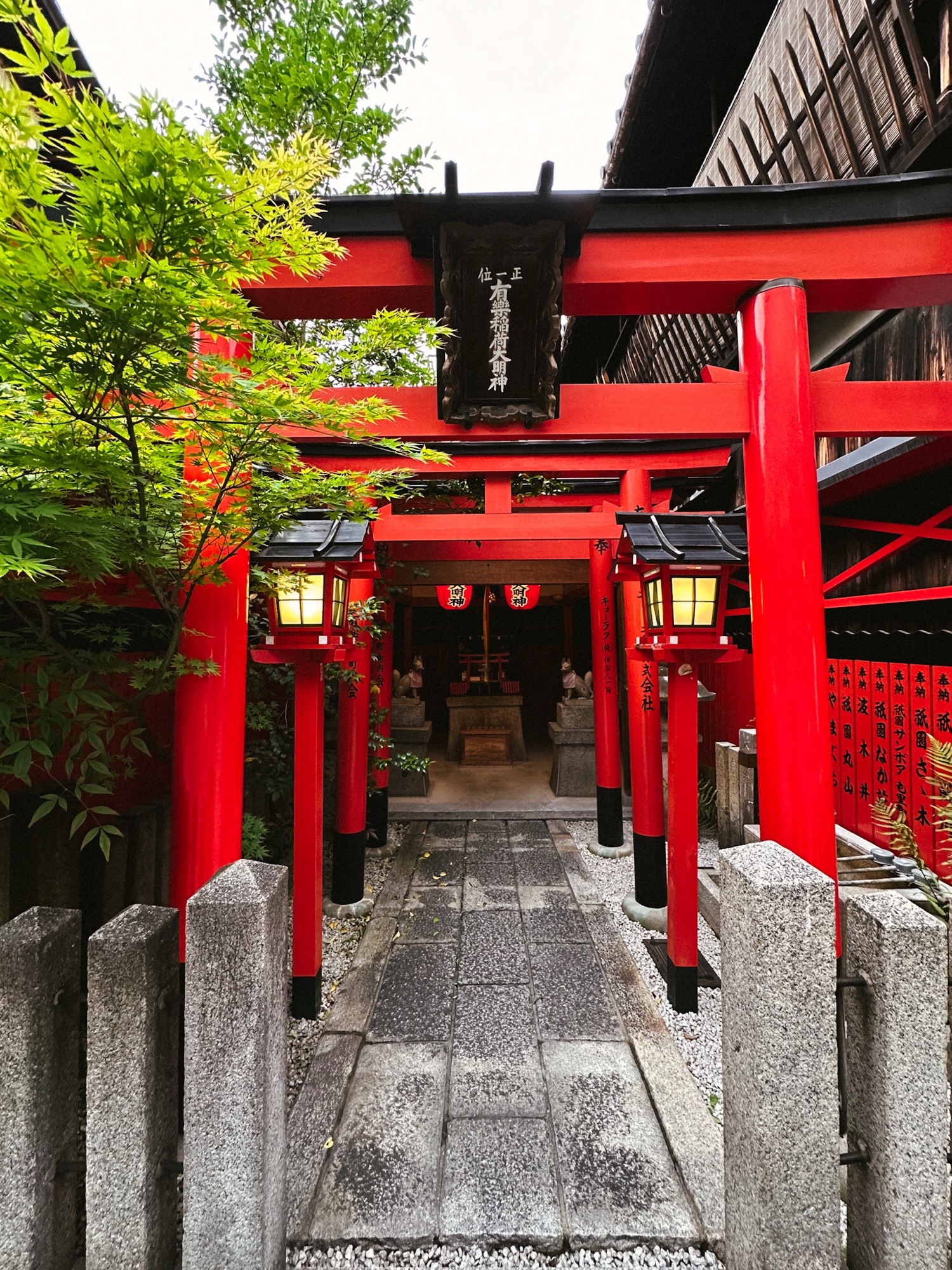
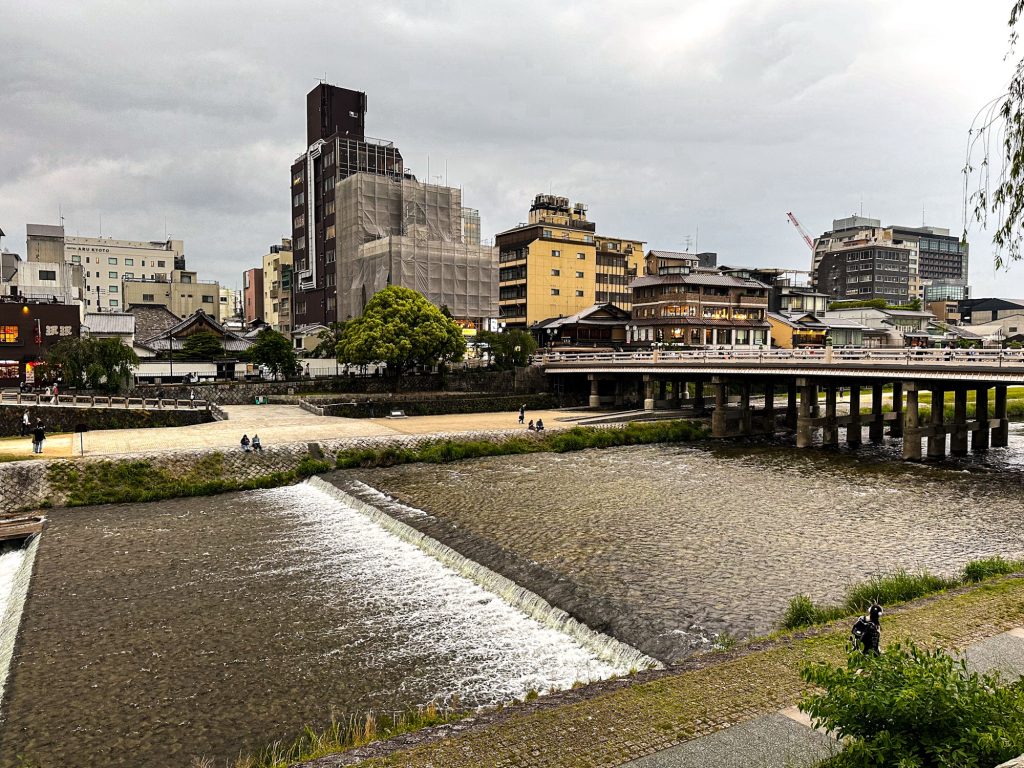
We explored Gion’s cobblestone streets on foot, starting at the historic Shirakawa area through the narrow alleyway of Pontocho, which is lined with traditional restaurants. Along the way, we learned how to recognize the symbols on the doors to indicate tea houses where geishas host and perform. Our guide, Thomas, was incredibly knowledgeable about the history and culture of Kyoto’s geisha world, and he thoroughly explained the years of intense training required to reach geiko status. In Kyoto, fully trained geishas are called geikos, while those still in training are known as maikos.
One of the highlights was getting to see a maiko in her beautiful kimono while waiting at an intersection! Thomas instructed us on how to take photos without being intrusive (unlike those crazy tourist videos you see on TikTok).
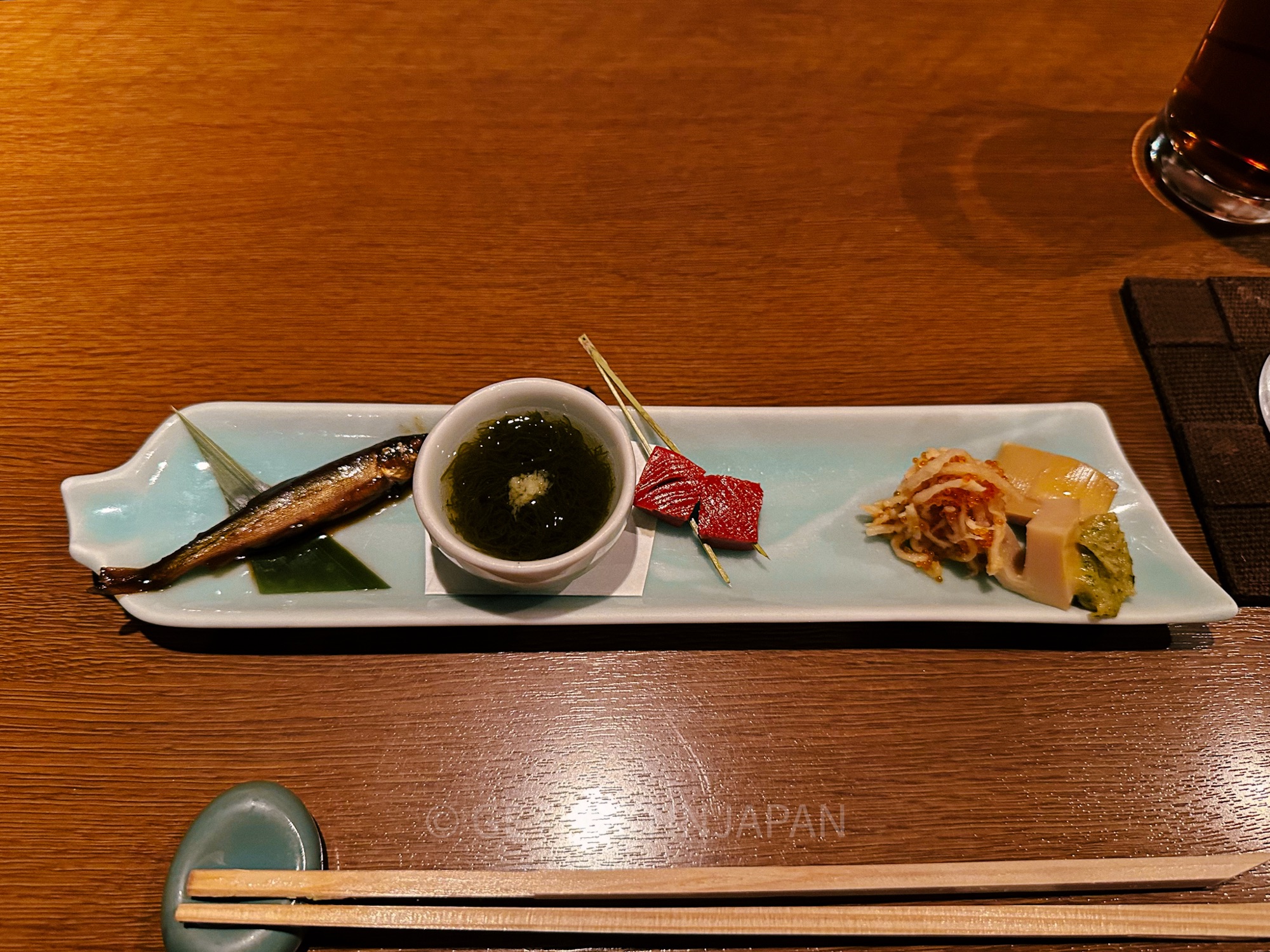
We ended the evening with an incredible 10-course kaiseki dinner at Hanasaki, a restaurant frequented by locals. Kaiseki course meals are elaborate and grand, considered to be haute cuisine of Japan. These dinners are typically 15,000 yen ($100 USD+), so to be able to enjoy it from its city of origin and have proper etiquette explained was so fun!
🎎 Click here to book your spot on this highly rated geisha tour of Gion! 🎎
To end your first night in Kyoto, feel free to continue exploring the side streets of Pontocho Alley. The alleyways look extra magical when illuminated with lanterns and really bring out Kyoto’s old-world charm.
Day 2 in Kyoto: Arashiyama
Morning - Hozugawa Rafting
Start your morning off bright and early with a scenic boat ride along Hozugawa River. This boat tour is a popular activity that showcases Kyoto’s natural landscapes in a relaxing two-hour river route.
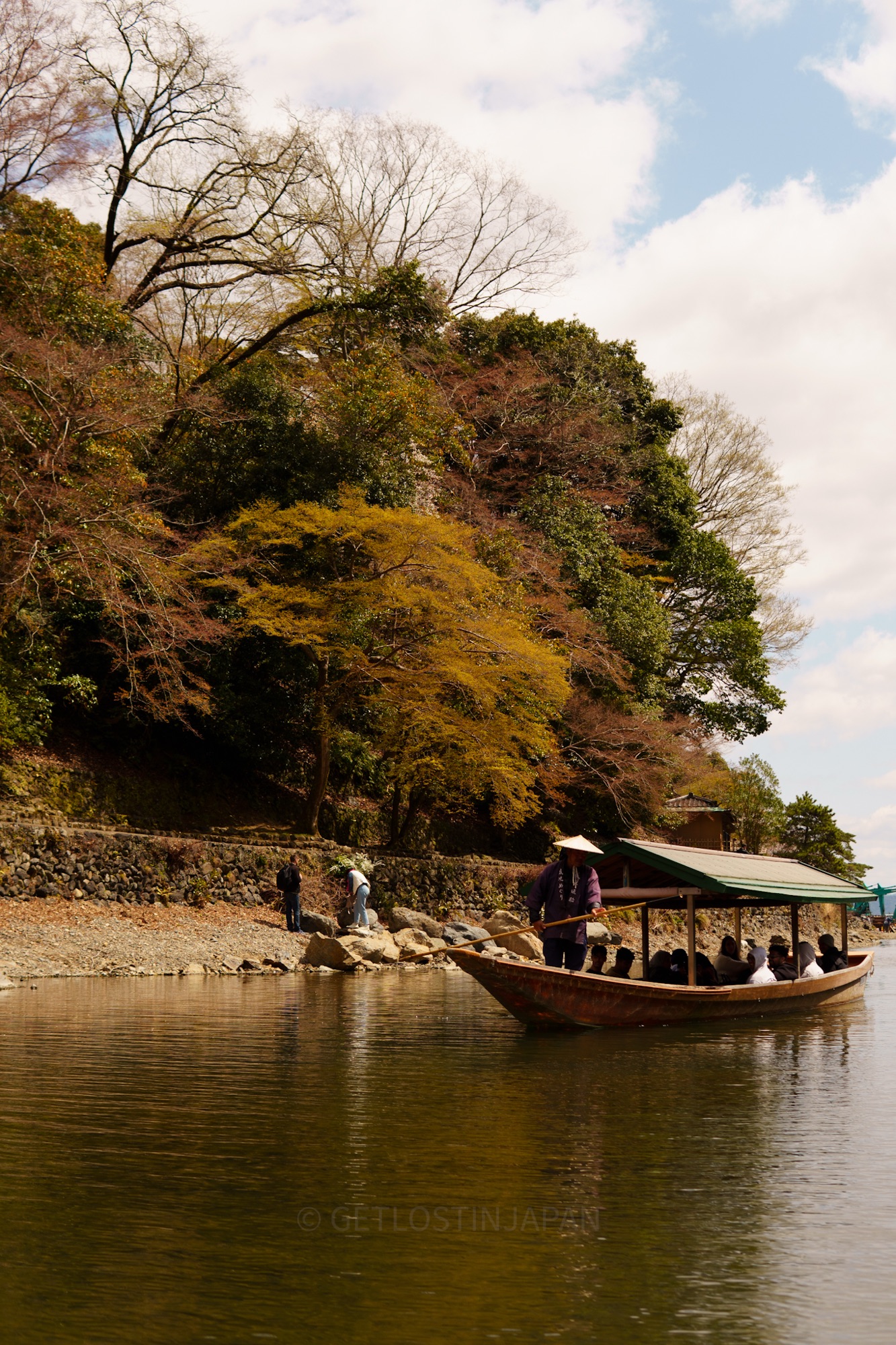
I went on the boat ride during the beginning of April, and the cherry blossoms weren’t quite in bloom yet, so I think the best times to go are mid to late April for cherry blossom season, or November for vibrant autumn foliage.
🌸 With over 80,000 bookings and 1,500 reviews, this boat ride sells out fast! Book your tickets here. 🌸
The boat ride is super peaceful, and the boatmen are fun and point out landmarks all along the way in English. I recommend grabbing an early morning ticket and booking at least 1-2 months prior, because it does sell out!
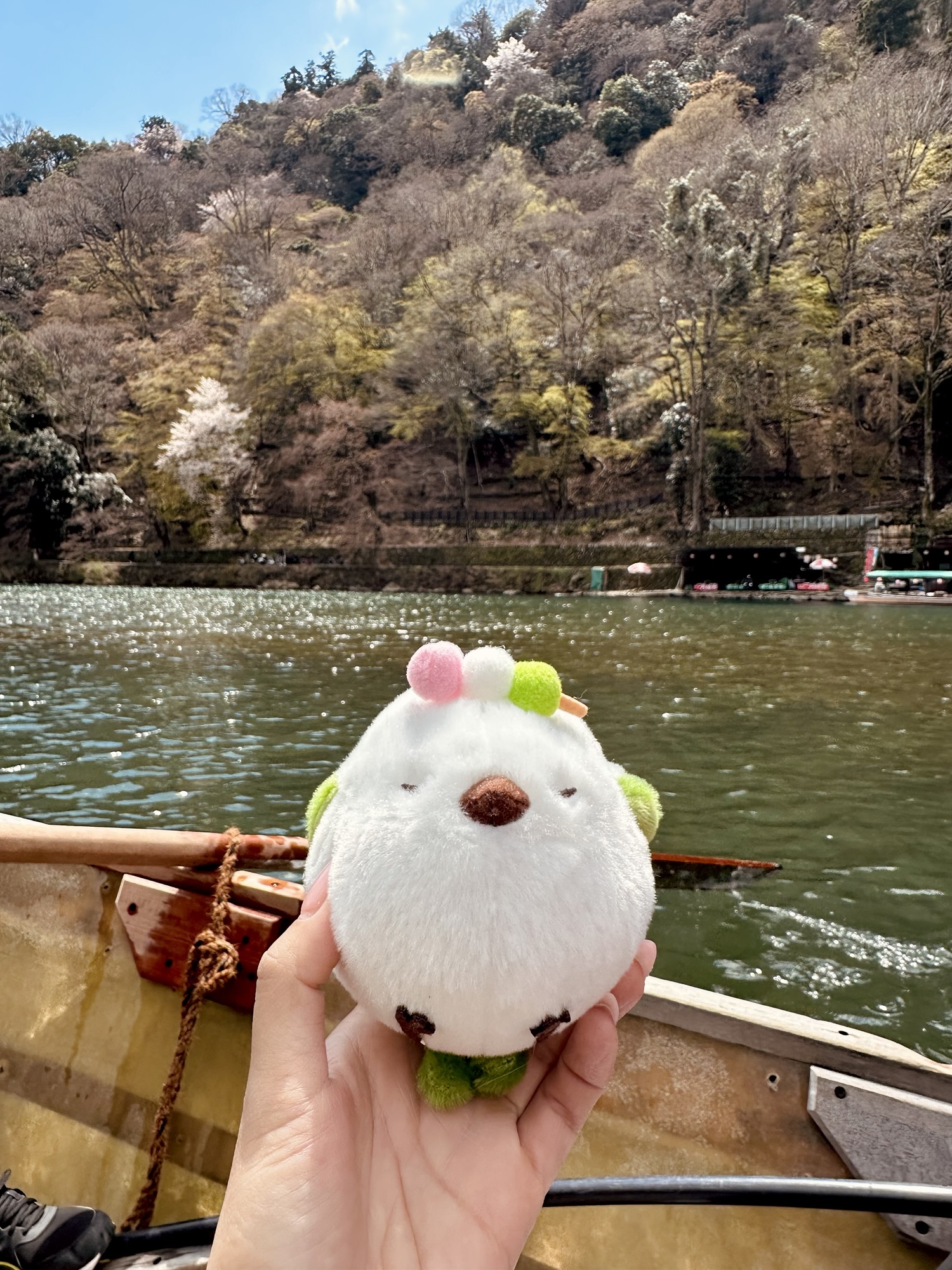
The boat ride ends in Arashiyama, but to get to the starting point, you’ll have to take a train ride to Kameoka, which can take 45 minutes to 1 hour, depending on where you’re staying in Kyoto.
👍 Pro tip: Make sure to check the official website the morning before arriving, as there can be cancellations based on weather conditions.
If it’s not suitable weather to enjoy the boat ride, you can replace this activity with a trip toArashiyama Monkey Park or a visit toKinkaku-ji Temple (Golden Pavilion).
Morning: Cross Togetsukyo Bridge
After docking in Arashiyama, make your way up the Katsura River, and you’ll find Togetsukyo Bridge, a wooden bridge originally built in 836, famous for beautiful views of Arashiyama mountain and Kyoto’s natural scenery.
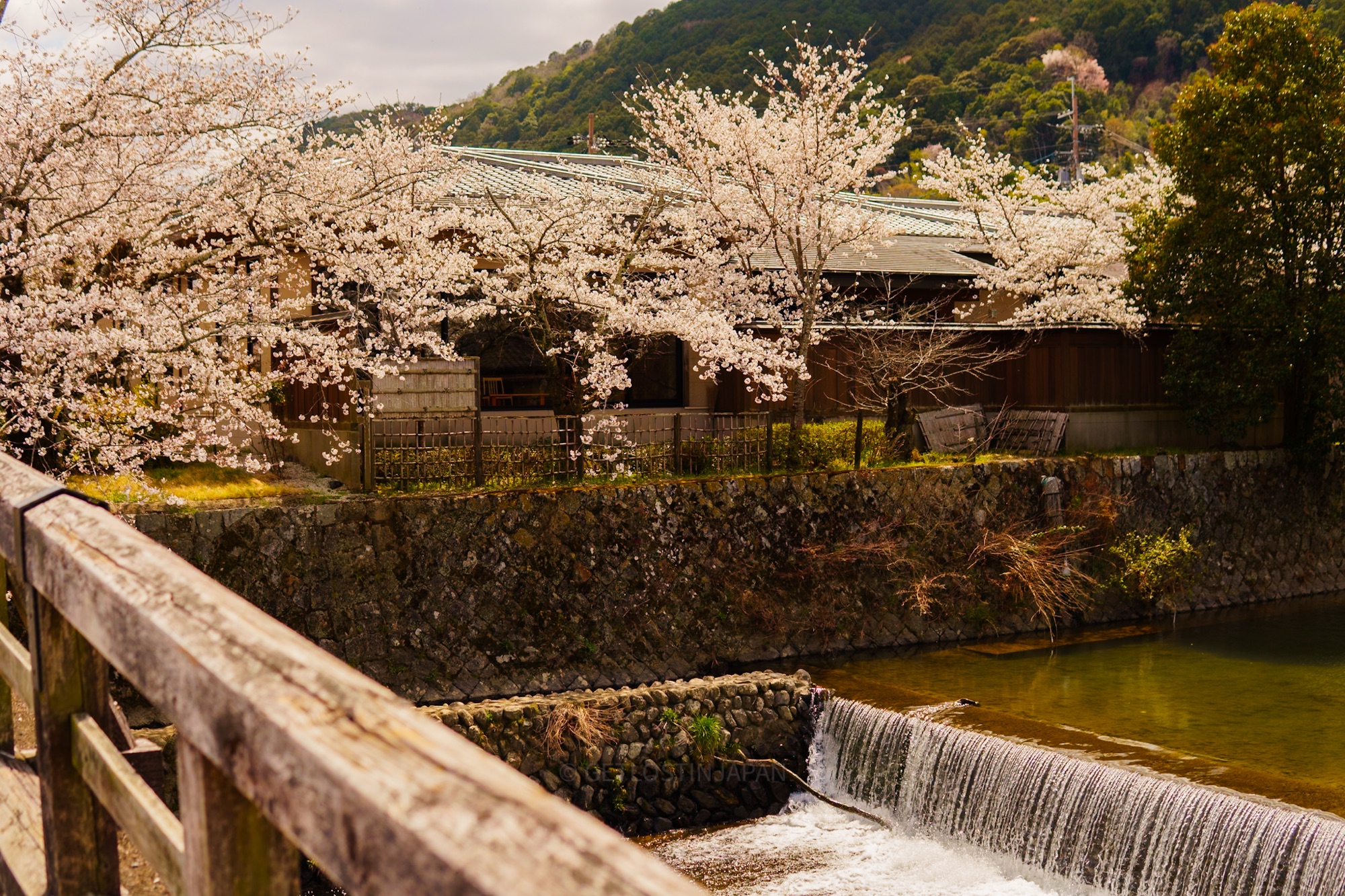
It’s a narrow path along the river, where you can watch rickshaws pass by. I got some stunning photos of seasonal cherry blossom trees here.
Lunch in Arashiyama
After you cross Togetsukyo Bridge, you’ll find yourself in a bustling area with lots of restaurants and shops. There are a couple of suuuuuper cute themed cafes here, like Miffy Kitchen and the Rilakkuma Tea House.
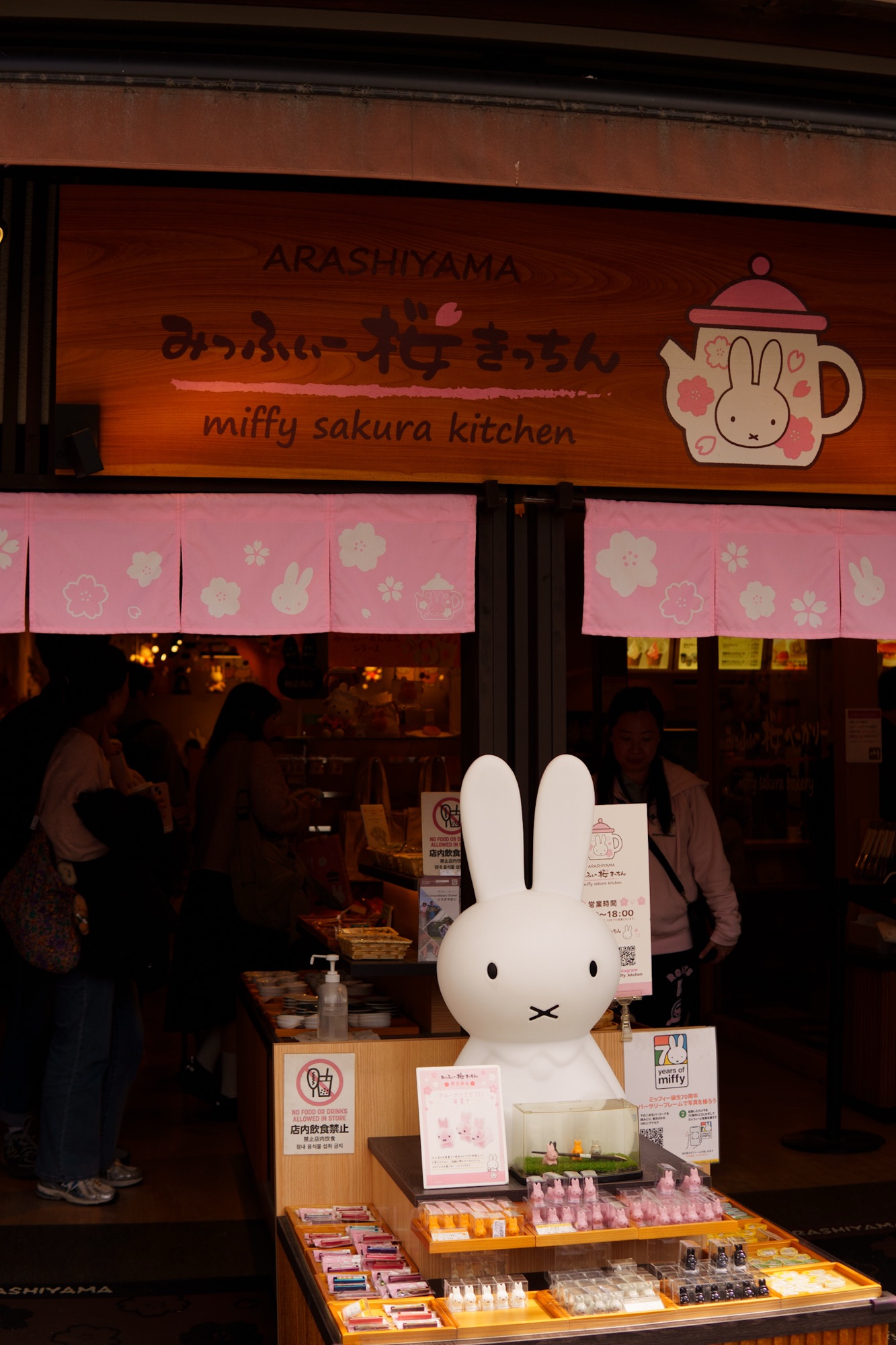
There are tons of restaurants along Togetsu Bridge where you can enjoy authentic cuisine overlooking the river, like Arashiyama Yoshimura and Tai Sho Hanana.
While you don’t want to spend too much time here, as most attractions here close at 4-5 PM, it’s worth wandering around a little bit and choosing any restaurant that catches your eye. Don’t forget to try some delicious matcha while you're here! Kyoto is right next to Uji, famous for their delicious matcha.
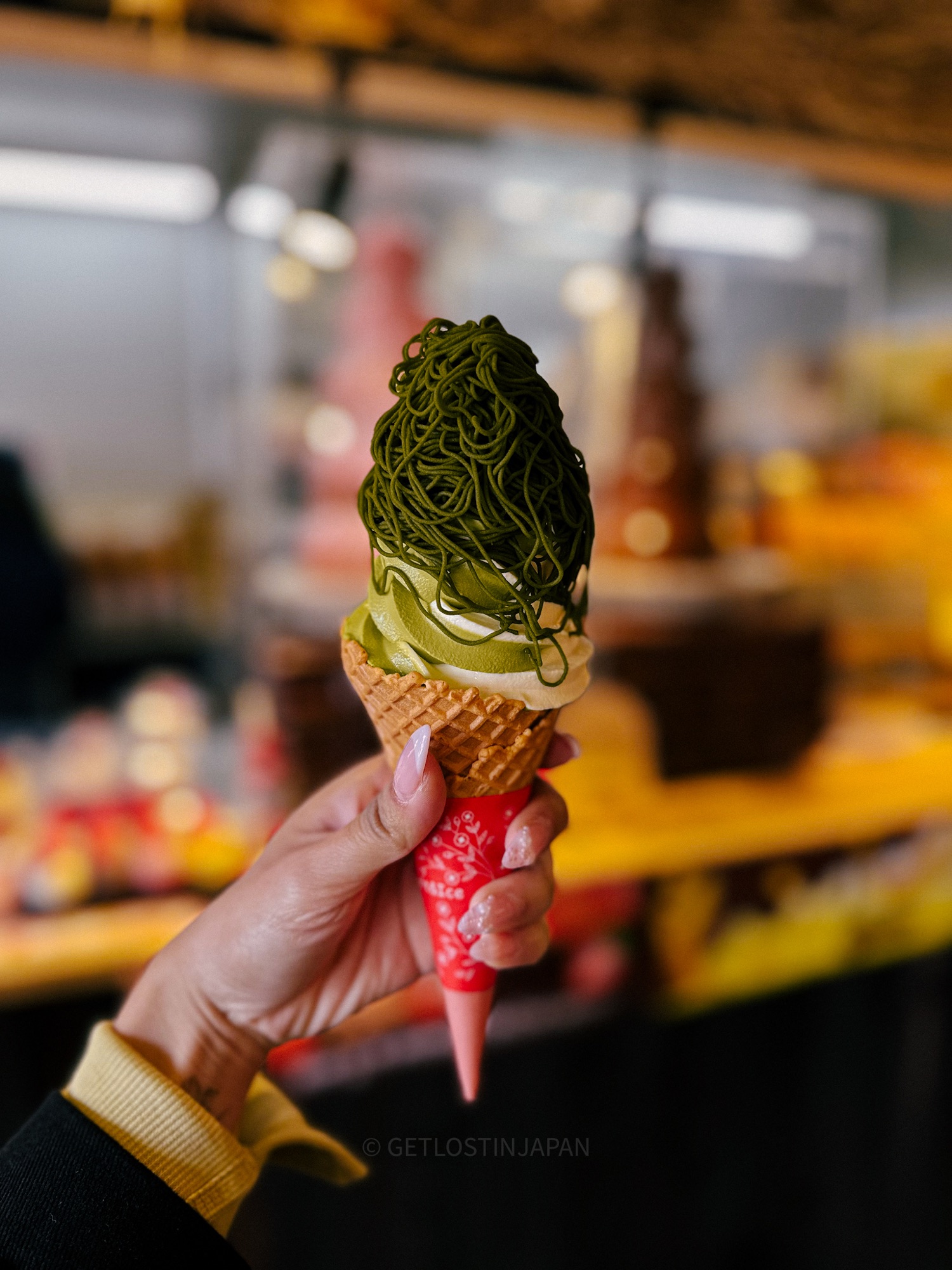
Tenryu-ji Temple
This stunning temple is just a few minutes walk away from all the restaurants in Arashiyama, so you can head over quickly after lunch.
Tenryu-ji was one of my favorite stops the first time I went to Kyoto. It’s a Zen temple that was even used as a detached palace at one point in time, and is one of the 17 UNESCO World Heritage Sites in Kyoto. Unlike Kinkaku-ji, which you can only admire from the outside, you can stroll inside the buildings of this temple.
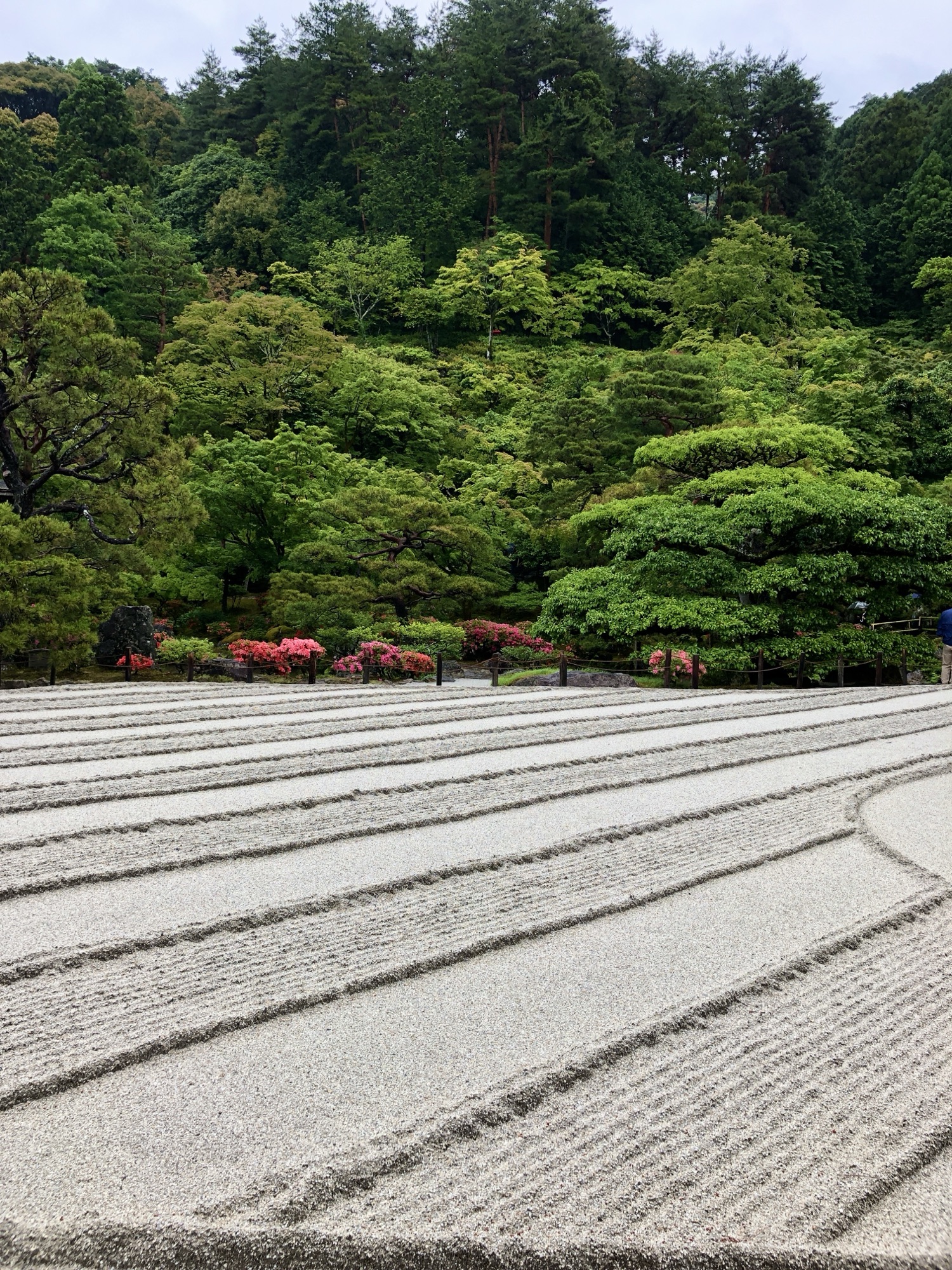
The outdoor gardens are serene and tranquil, and it’s a great way to explore the quiet beauty of Arashiyama forest.
Tickets to just the gardens are 500 yen, and if you want to see the buildings, it’s an additional 300 yen. You can buy tickets when you get there, so don’t worry about purchasing in advance.
Optional: Arashiyama Bamboo forest
Arashiyama Bamboo Forest is one of Kyoto’s most famous sightseeing spots, a 0.3-mile road lined with scenic rows of fully grown bamboo. It’s a popular photo spot, and is just as busy as it is popular.
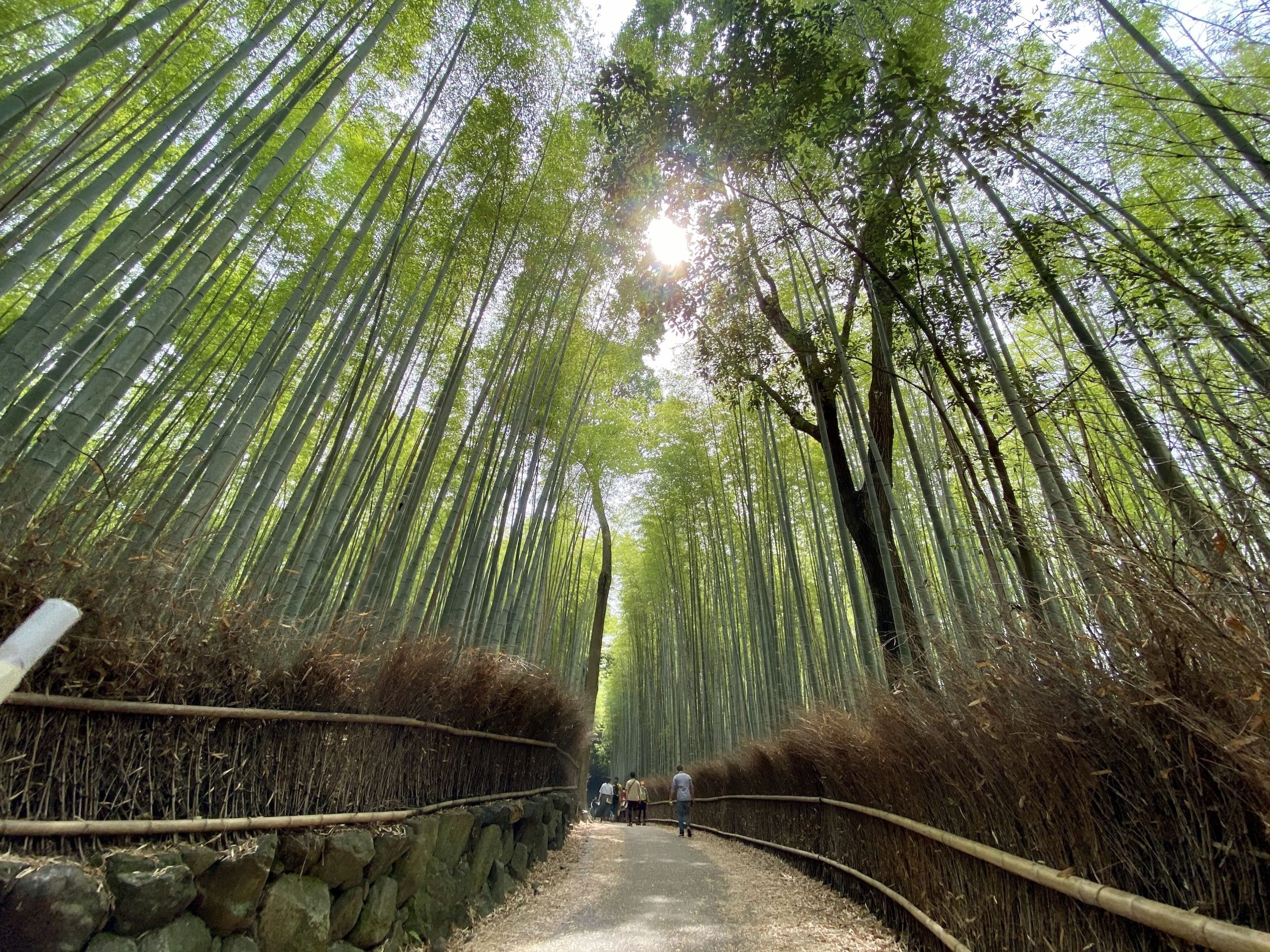
PERSONALLY, if we’re splitting hairs, then I think it’s not worth visiting (sorry!). It gets super crowded, and at the end of the day, it’s a forest of bamboo. While the bamboo is impressively beautiful, it blocks the sun and looks pretty dim. I think you can get some great photos elsewhere, as bamboo is abundant in Japan. But remember, I’m just a random person on the internet. You don’t have to take my advice!
If you have the time to stop by, then take a quick 15-minute walk through to snap a quick photo, and from here you can either take a taxi to our last temple or take a 30-minute walk through the forest.
Afternoon: Otagi Nenbutsuji
Now on the other hand, Otagi Nenbutsuji is a temple famous for its collection of over 1,200 unique stone Buddhist statues that is totally worth a visit. It’s definitely off the beaten path, but due to that, the temple is super empty and you get to see the beauty in all its glory!
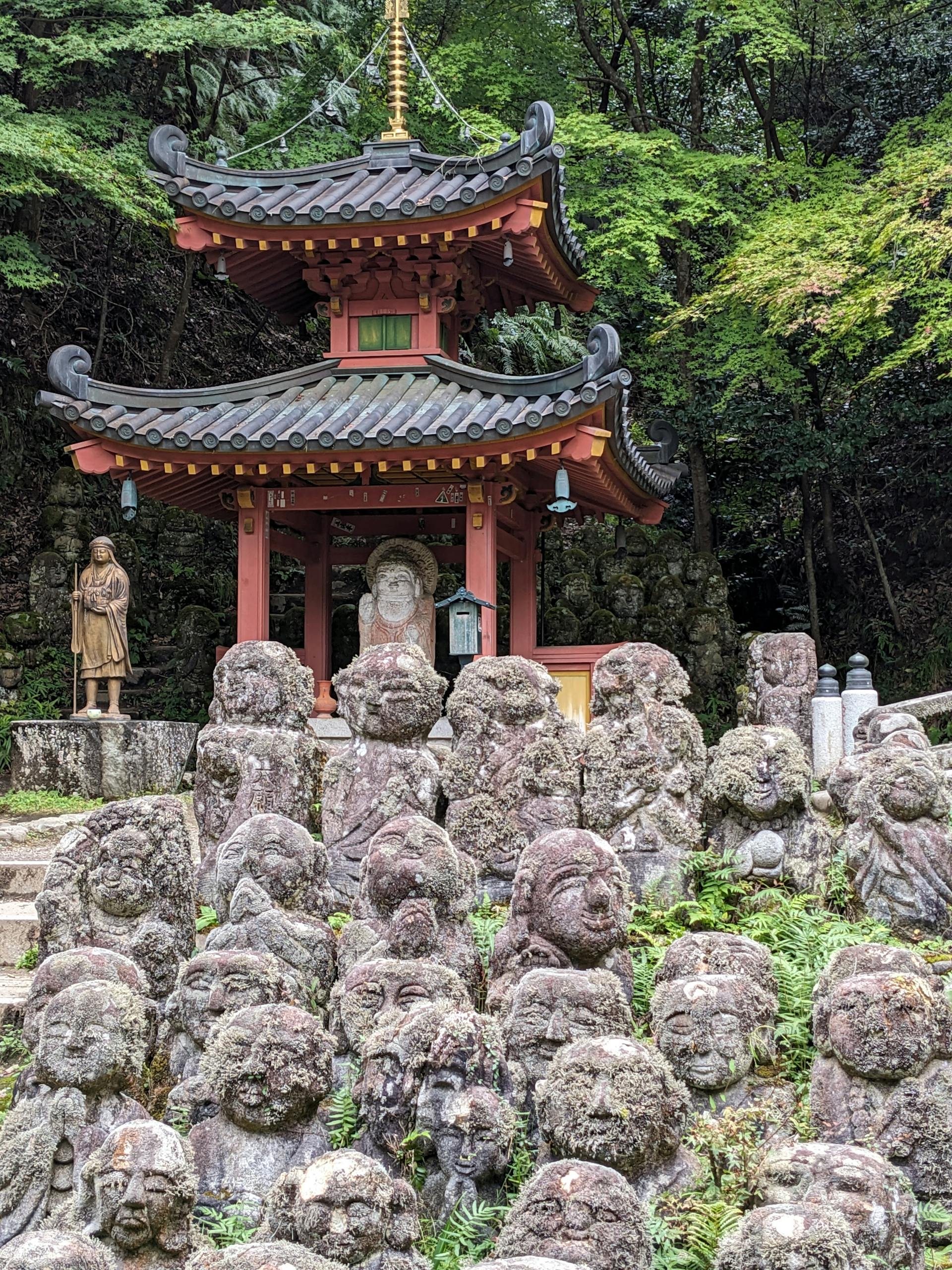
The “rakan” statues, representing Buddha’s disciples, were added between 1981-1991 and have naturally been covered with moss. Each statue is completely unique and was hand-carved by a different person, so they all have their own characteristics and all sorts of distinct facial expressions.
I walked around to find the statue making the funniest face, so I could point at it and let my fiance know that he looked exactly like that one. 🙂 You should also find which one most looks like you!
Late Afternoon: Saga Toriimoto Preserved Street
If time permits, you can visit Saga Toriimoto Preserved Street before all the shops close at 5 PM.
This conserved street is on the way back south when you come back from Otagi Nenbutsuji. You’ll be swept up in the historic atmosphere of rustic Kyoto when you visit this hidden gem and walk through the traditional machiya (townhouses).
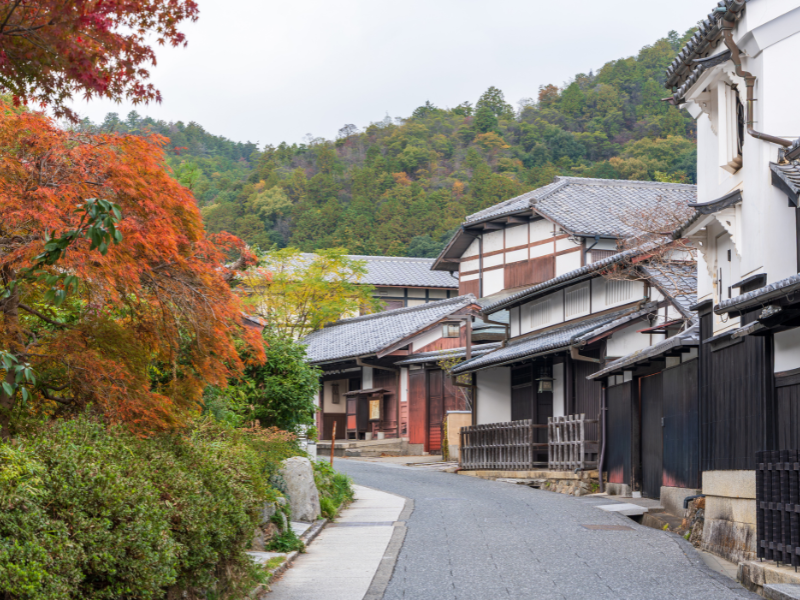
Adashino Nenbutsuji Temple is also around here, which is often mistaken for Otagi Nenbutsuji. Oops!
Overall, you don’t have to spend too long here, maybe 30 minutes to an hour.
Dinner: All you can eat Yakiniku with unlimited Drinks
Most of the restaurants in Arashiyama close early, I recommend heading back to Kyoto and eating at one of my favorite restaurants, 0 Byo Lemon Sour!
This AYCE yakiniku restaurant has unlimited lemon sours on tap, and you get to choose 2 flavor syrups per table. I loved the lemon-shaped tap to go along with it. All the meats were delicious, but my favorite was the sukiyaki. The meat was super tender and sweet and it came with an egg to use as a sauce.
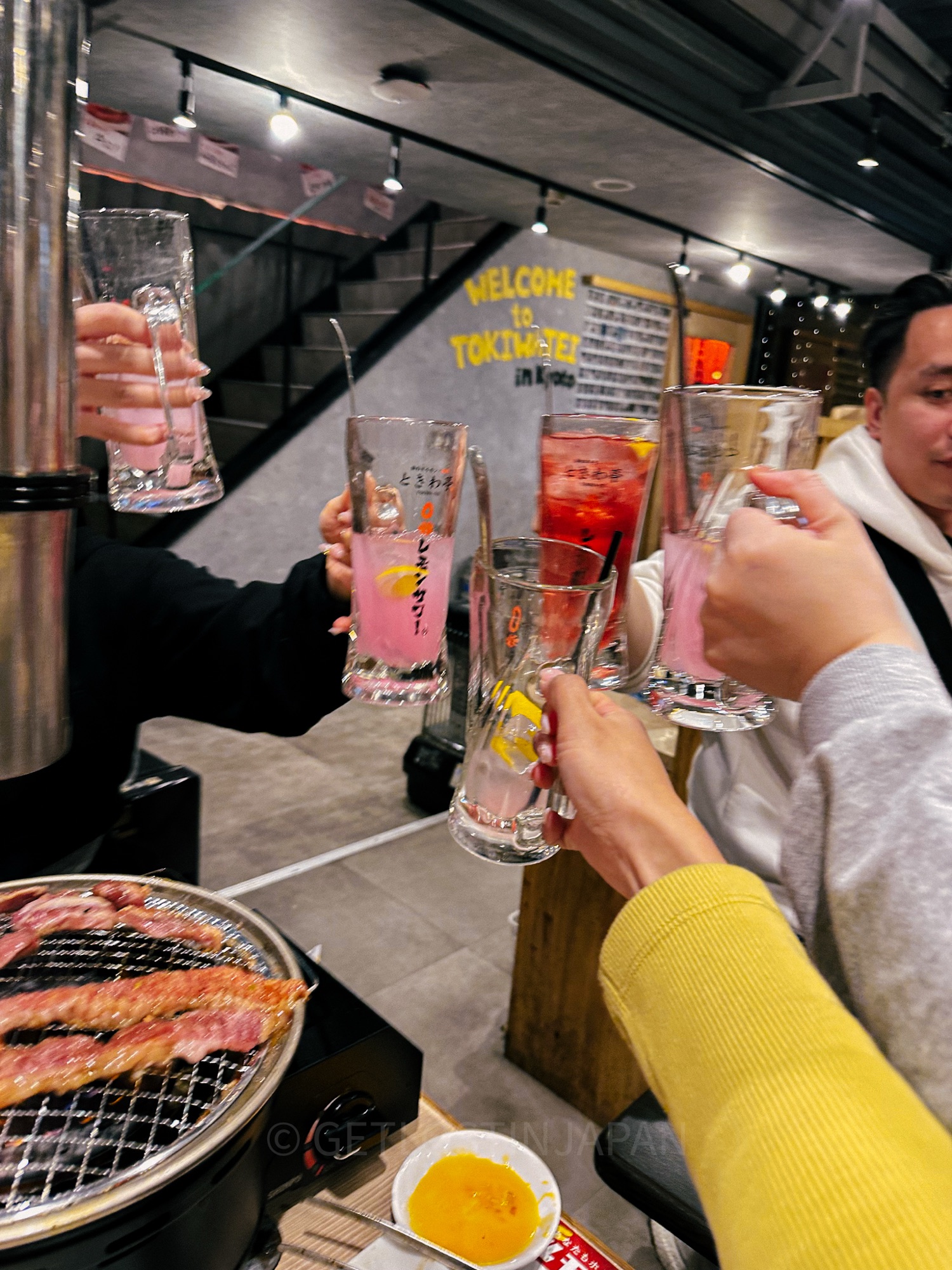
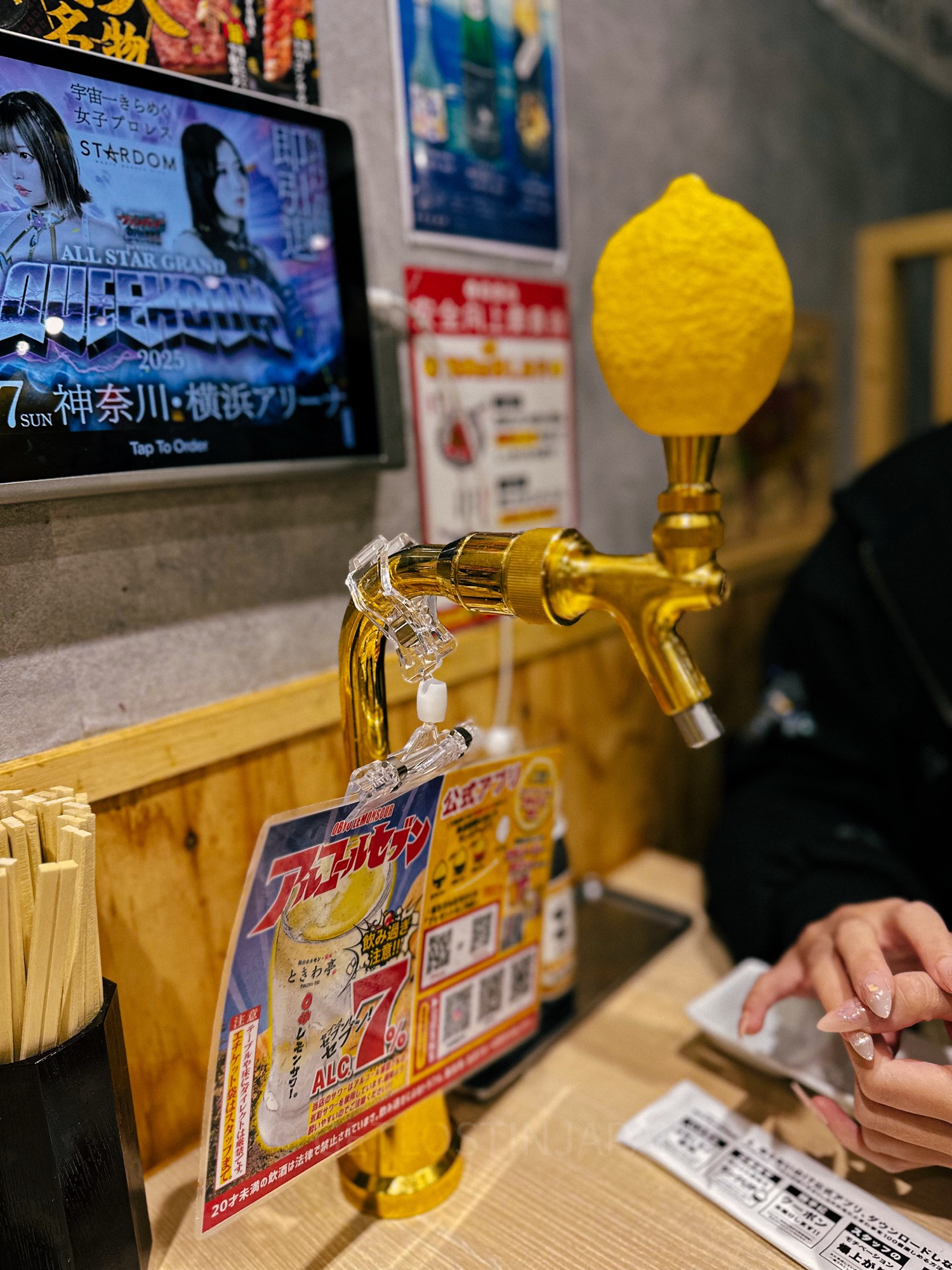
We made a reservation, but the restaurant surprisingly wasn’t that crowded. I think it’s more popular in Tokyo, which was lucky for us because it felt like a hidden gem!
Other things to do in Kyoto
Have some more time to spend in Kyoto? Yay! Here are things that I loved visiting that didn’t quite make it into the 2 day itinerary.
- Nijo Castle: A beautiful fortified castle from the 1600s, with elegant gardens and the preserved Honmaru and Ninomaru Palace.
- Kinkaku-ji: Kyoto’s most photographed temple, the Golden Pavilion is a beautiful zen temple entirely covered in gold leaf, casting a shimmering reflection over a quiet pond.
- Kyoto Gyoen National Garden and Kyoto Imperial Palace: Visit the official residence of Japan’s emperors for over 1,000s, with a huge beautiful garden.
- teamLab Biovortex Kyoto: Check out the largest and newest teamLab in Japan, with huge incredible art installations.
- Shopping around Nakanocho/Nakagyo: Visit tons of stores in Nakanocho, just a few steps from Nishiki Market. I love shopping for luxury vintage here, but there’s a huge variety of stores!
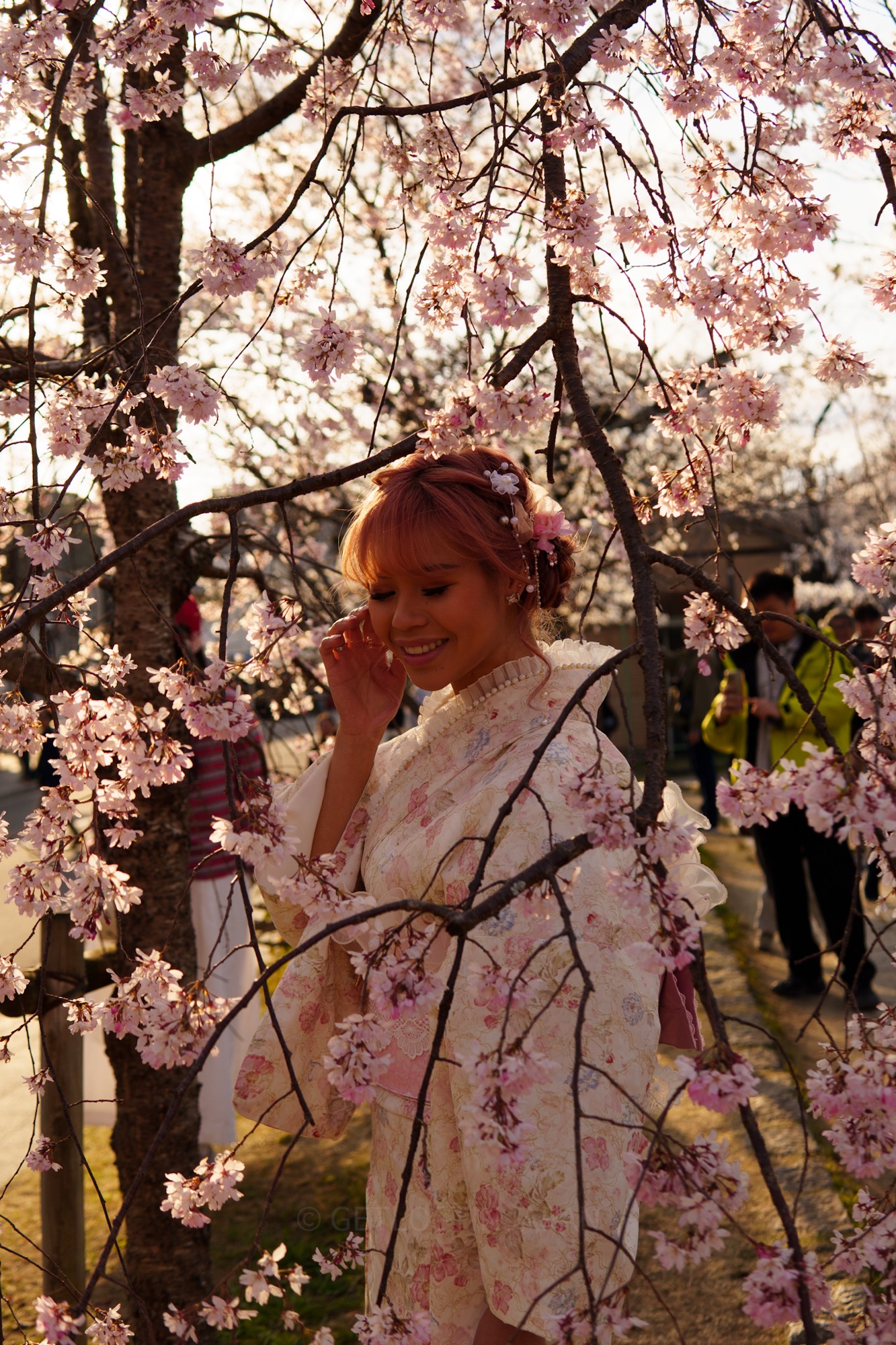
- Philosopher's Path: If you’re visiting during cherry blossom season, this is one of the best places to see the falling flowers. I rented a kimono and took stunning photos here, and there are temples on either end of the path.
- Arashiyama Monkey Park: Visit the home of 120 wild Japanese macaque monkeys in their natural habitat, and feed them peanuts and apples by hand!
- Arashiyama Yusei-Tei Gallery: A longstanding gallery exhibiting a unique dyeing method called ‘Yume-kôrozome’.
Where to Stay in Kyoto
There are some amazing hotels and ryokan in Kyoto, so the choices can be overwhelming! It is extremely, extremeeeeely hard to narrow the choices down, but I managed, somehow. Here are my top 2 picks on where to stay in Kyoto, places which I have personally stayed and LOVED my time there!
Kyoto Top Choice: Saka Hotel ($$$)
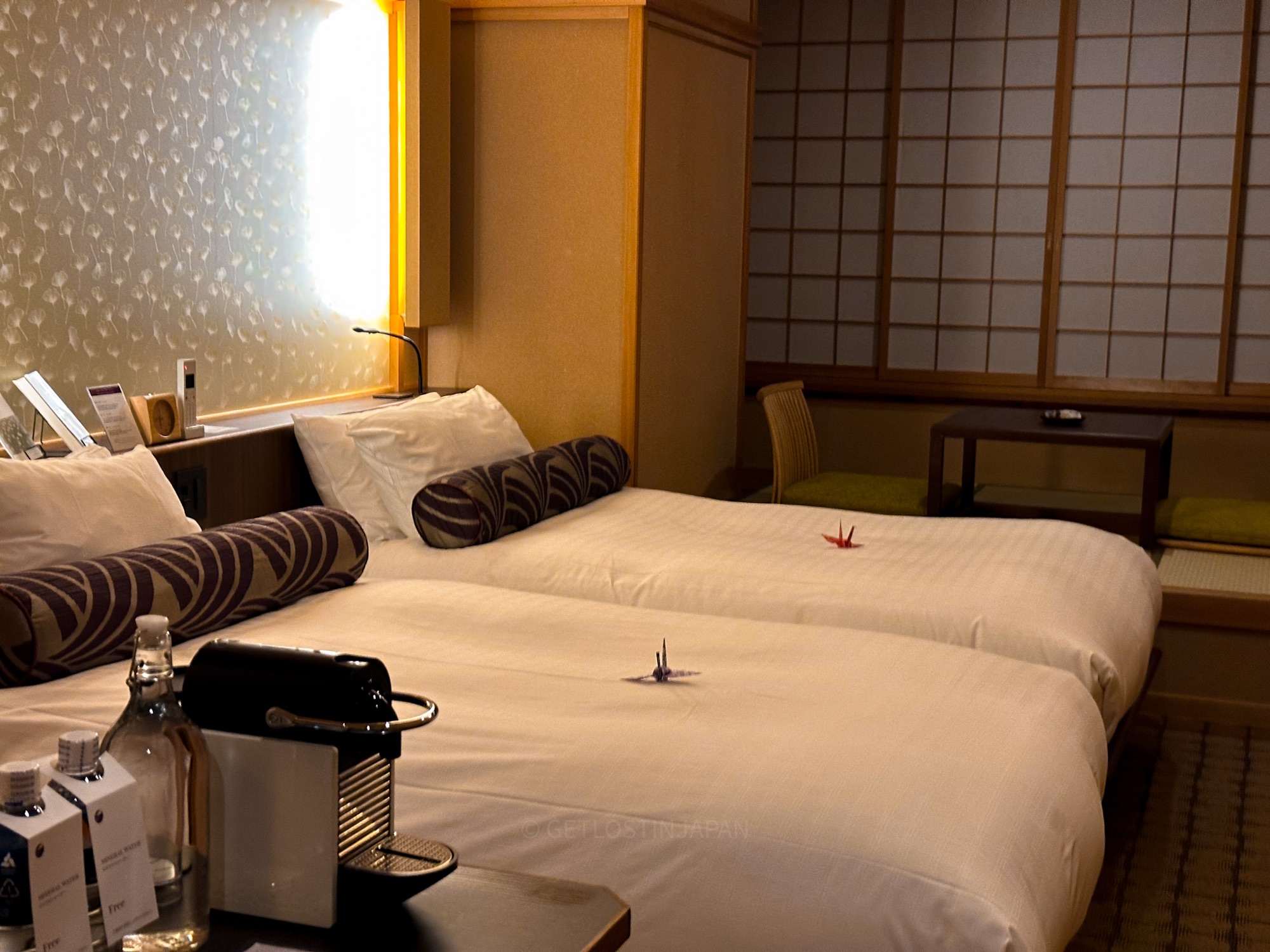
I stayed in Saka Hotel Kyoto for 3 days, and think it’s a perfect modern ryokan that delivers outstanding service and delicious food. Just a 7 minute walk from Kiyomizu-dera, this beautiful ryokan has huge rooms, large western beds, private onsen, and hinoki wood baths in every guest room. I absolutely LOVED my stay here and think you will, too!
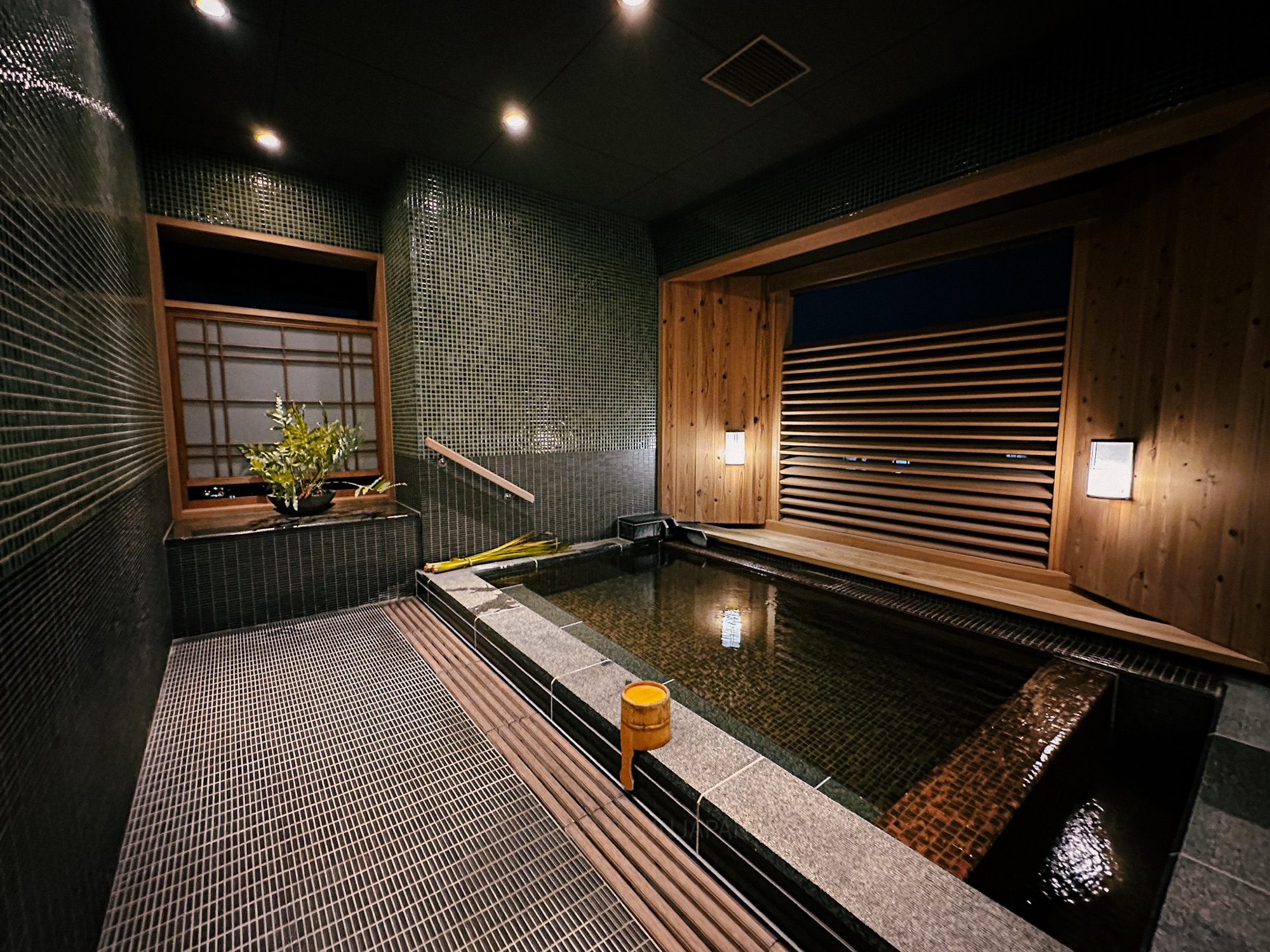
It's my favorite ryokan in central Kyoto, and there are a lot of great ryokans here. Click here for an ultimate list of the best ryokans in Kyoto!
Or, if you want to learn more about Saka Hotel, I have a full in-depth review on Saka Hotel here.
Arashiyama Top Choice: Togetsutei (3S) ($$$$)
Togetsutei is actually the oldest ryokan in Arashiyama, dating back to 1897!
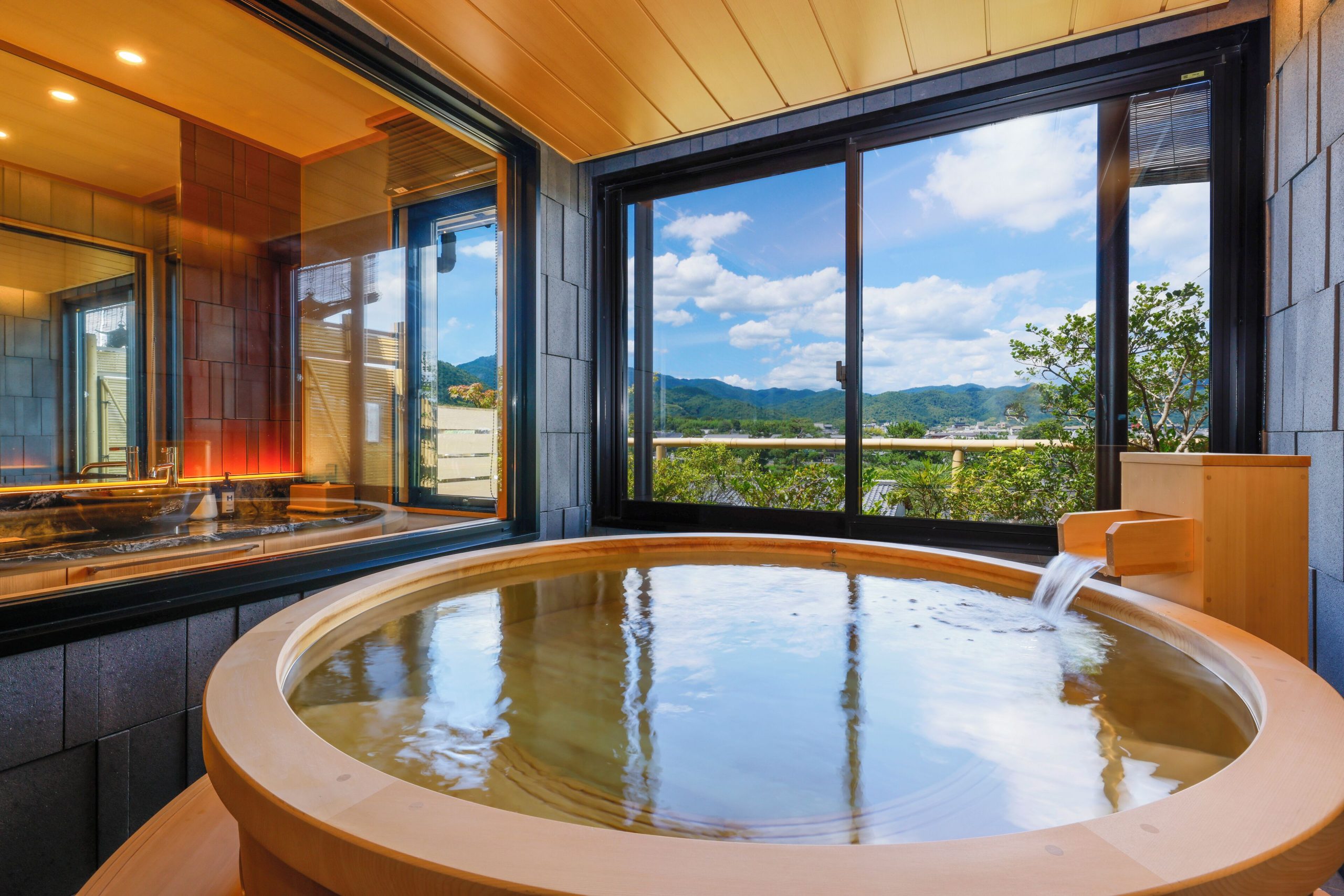
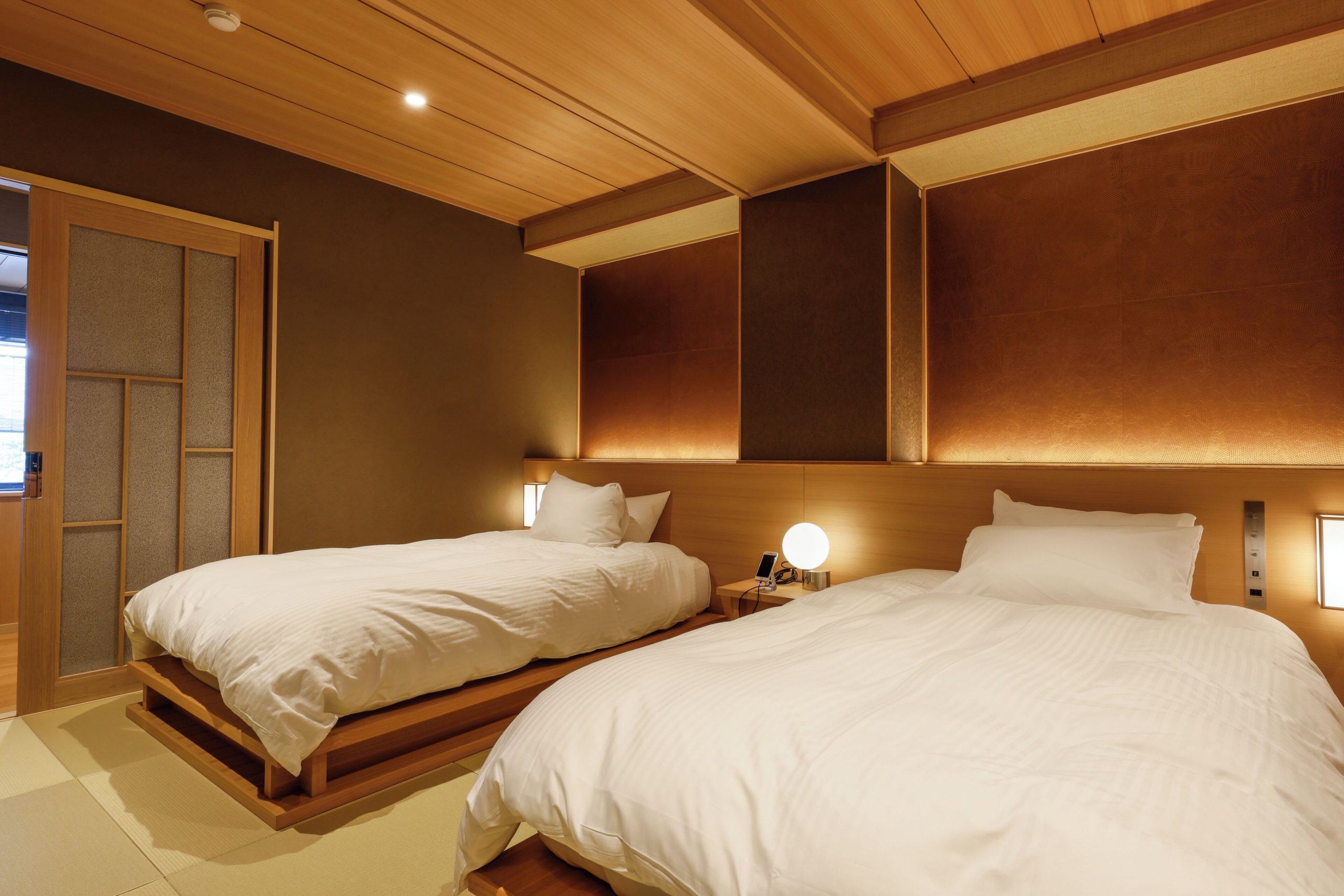
Located in the heart of Arashiyama, this ryokan has aprime location right next to the iconic Togetsukyo Bridge and next to Arashiyama’s highlights like Tenryuji, the Bamboo Grove, and Monkey Park, which are a 5-minute walk away.
The rooms are Japanese-style, and you can either stay in Shuzankaku, which houses the public and rental onsen, or the Hekisenkaku Annex. The two buildings are linked by an underground passage so you never have to step outside to move between them.
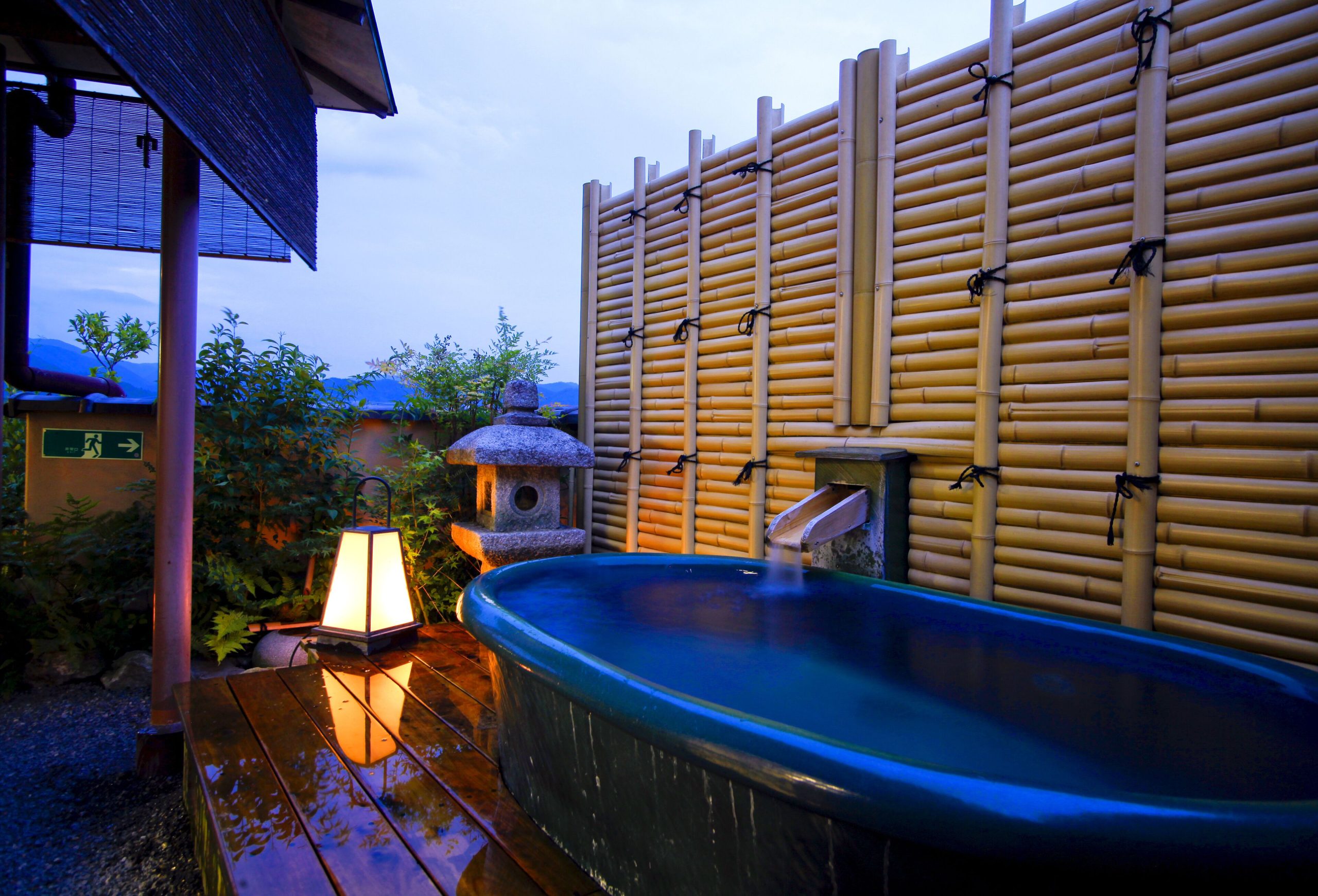
Some of the rooms feature their own private indoor or open air onsen for a romantic, intimate experience.
Overall, if you’re looking for a conveniently located ryokan that promises the timeless spirit of old Kyoto through warm hospitality and refined kaiseki cuisine, Togetsutei is incredible!
2 Days Kyoto Itinerary FAQs
Renting a car in Japan
While Japan's trains are a formidable force and are usually all you need, sometimes you just can’t beat the convenience and flexibility of a car.
I loved renting a car and exploring Japan's scenic routes, and if you plan on venturing outside of the city to see rural Japan, then I highly recommend renting a car. Feel free to disregard this if you’re sticking in central Kyoto, though!

We’ve personally used Orix and Toyota Rent-A-Car on Booking and had a great experience! You can easily check prices, filter for the type of vehicle you want, and add affordable full coverage insurance during check out.
Tips for Renting a Car in Japan
- Drive on the left: In Japan, you’ll be driving on the left side of the road, and the steering wheel is on the right. It’s not too difficult to get the hang of, but start off easy to have some time to adjust before driving in the city.
- Learn the rules: I recommend watching a YouTube video about the rules. Remember to come to a FULL stop at the stop signs, big red signs that read “止まれ”. No rolling stops in Japan! Always remember that pedestrians have the right of way, and make sure everyone in the car wears a seatbelt.
- Get car insurance: Between tiny parking spots, winding mountain roads, and the occasional wildlife sighting, it’s worth the peace of mind. When you use Booking, you have the option to add insurance at checkout.
- Pick a car that fits: Japan isn’t exactly known for wide open roads, especially in the countryside or older towns. A small or mid-sized car is usually best. Booking lets you filter by size, transmission, and even luggage space.
- Watch out for toll roads: If you’re planning to use the expressways, it’s best to include an ETC card, as Japan has a lot of toll roads. The card makes paying tolls way faster and way less stressful than having to keep cash on you at all times.
What you need to rent a car in Japan
- Bring your valid license from your home country.
- An International Driving Permit (IDP) based on the 1949 Geneva Convention (Japan won’t accept anything else!) We got ours in 20 minutes with AAA in the States before we left for Japan.
- A credit card under the driver’s name for the deposit.
- Most rentals require you to be at least 18, but some might want you to have had your license for a year. If you're under 25, there might be a young driver fee.
Ready to give left-sided driving a spin? Click here to book with Booking!
Don’t Forget Travel Insurance
While traveling in a foreign country, it's essential to get full coverage trip insurance just in case of an accident or illness. I recommend VisitorsCoverage for affordable prices and great insurance benefits.
Or, if you have theChase Sapphire Reserve Credit Card like I do, you get automatic trip and car insurance!
Thanks for Reading Our 2 day Kyoto Itinerary!
There you go, a quick 2 days in Kyoto! Though your time here is limited, you’re definitely going to make the most out of it.
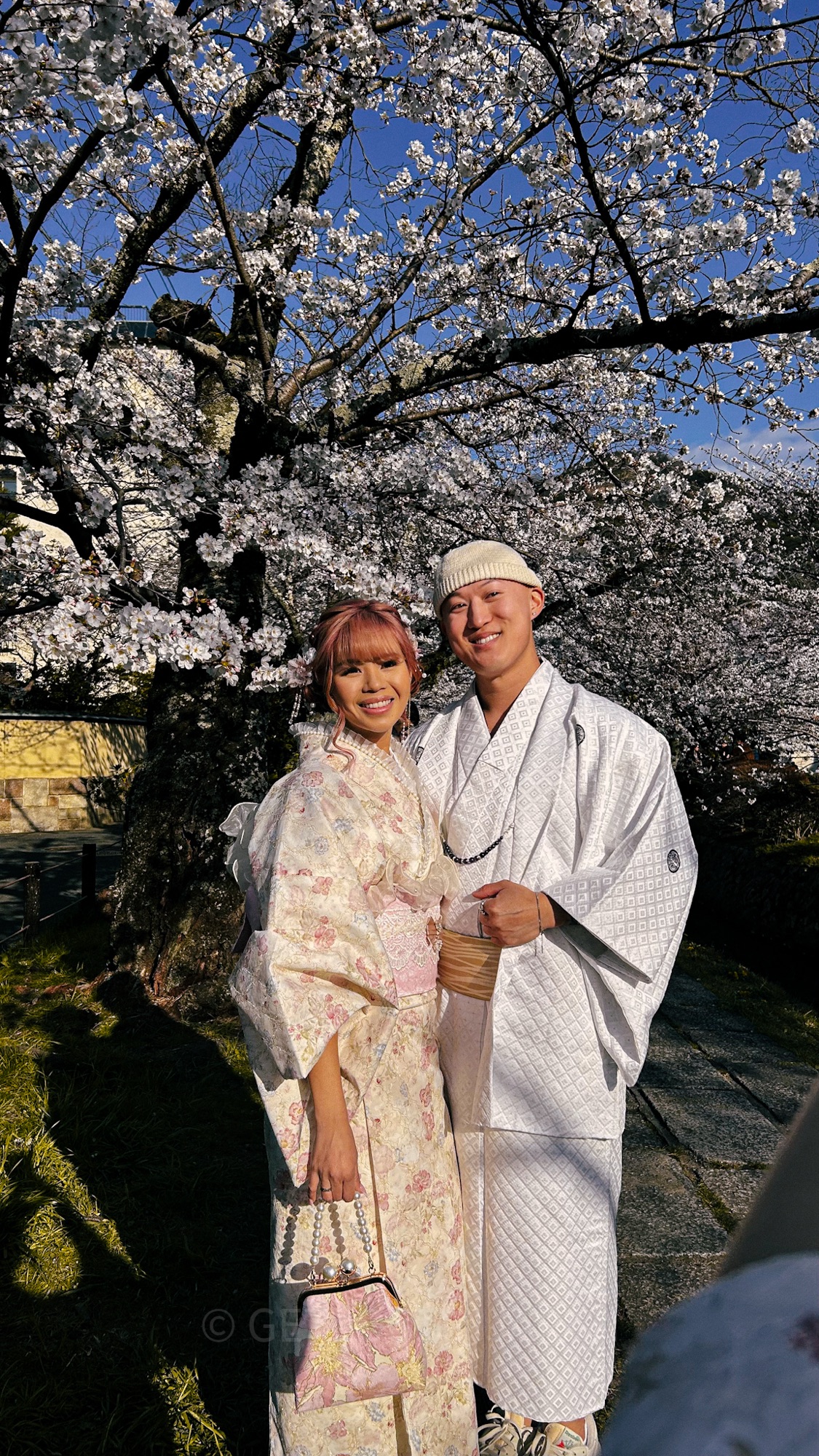
Kyoto is one of the most beautiful cities on earth, and you’re bound to fall in love with it just like I did. I highly recommend staying in a ryokan here if you haven’t stayed in one before! For the best ryokans in Kyoto, you can click here, or if you want to stay in one of the timeless historic ryokan in Arashiyama, click here.
If you can manage to stay an extra day in the area, then I highly recommend using your third day to visit Uji or Nara. If you need more help planning your Japan trip, I recommend checking out my 10 day Japan itinerary here. Feel free to always email me if you have any questions or need help with your trip! I offer customized itineraries upon request as well. Happy travelssss!
Related Posts