
Nara Day Trip: How to Plan Your Day Trip Nara Itinerary
Last Updated on July 23, 2026 by Audrey
Wondering how to plan your day trip to Nara?

If it’s your first time visiting Japan, visiting Nara to meet the bowing deer is something you must do. It’s a quintessential activity of being a first timer to the country, and it’s worth the hype!
Nara is one of the most popular day trips in Japan, because it's close to Kyoto and Osaka and is packed with exciting attractions. While the city is most famous for its unique bowing deer, there’s also an abundance of beautiful temples, peaceful gardens, and some of the most important historic sites in the country.
I visited Nara during my first trip to Japan in 2019, and it was AMAZING! You can click here for the exact 10 day Japan itinerary that I did, which includes a day trip to Nara or Uji.
This itinerary assumes you arrive in Nara around 10 AM or earlier, where you’ll explore the city for the majority of the day before heading back home in the evening. The main things to do in Nara are Nara Park, Todai-ji Temple, Kasuga Taisha, Nigatsu-do Hall, and I’ve also added my favorite spots in the city along the way. Ready to bow to some deer?!
Short on time?

The tour I loved the most and suggest booking ASAP is this one!
If you want the easiest way to visit Nara without figuring out train routes or walking logistics, this Nara day tour departs from Kyoto OR Osaka! It includes major highlights like Nara Park and Todai-ji Temple.
Check out the countless 5-star reviews and book this tour here!

Nara Day Trip: Planning Your Nara Itinerary
Let’s get into the nitty gritty details of planning your one day in Nara.
Is Nara Worth Visiting?
I’ll be the first to say that while Nara’s main attractions are touristy, it’s still worth visiting. Nara is recognized worldwide for the polite deer who bow down for treats, which, admittingly, is probably worth the visit alone.

It was Japan’s first permanent capital, which means it’s packed with historic temples, shrines, and cultural sites. The main sightseeing area is also very walkable, making it one of the easiest day trips from Kyoto or Osaka.
The single biggest reason to visit is for the deer roaming around Nara Park, but it’s so much more than that. There’s Todai-ji Temple and the massive Great Buddha, as well as Kasuga Taisha Shrine’s lantern-lit walkways. Nara is a perfect way to experience ancient Japan in a single day.
How to Get to Nara
The most common routes to Nara are from Kyoto or Osaka. Let’s break down each one.
Getting to Nara as a Day Trip from Kyoto
Nara is very easy to reach from Kyoto, and is probably the most convenient starting point.
You’ll generally choose between JR Nara Station and Kintetsu Nara Station.
Kintetsu Nara Station is better for sightseeing because it’s closer to Nara Park and the main attractions, but JR Nara Station also works, though you’ll have a slightly longer walk/bus ride to reach the main sights.

Taking the train from Kyoto to Kintetsu Nara Station
From Kyoto Station, take the Kintetsu Kyoto Line to Kintetsu Nara Station. Depending on the train, the ride usually takes around 35 to 50 minutes.
This is the route to take if your main goal is the deer, because Kintetsu Nara Station gets you closer to Nara Park.
Taking the train from Kyoto to JR Nara Station
If you have the Japan Rail Pass, you can take the JR Nara Line from Kyoto Station to JR Nara Station. The ride usually takes around 45-70 minutes.
JR Nara Station is a little farther from the main sightseeing area, but it’s better for JR Rail Pass holders.
Getting to Nara as a day trip from Osaka
Nara is also very easy to visit from Osaka. The best route depends on which neighborhood you’re staying in Osaka, but most travelers will leave from either Osaka-Namba Station or Osaka Station.
Taking the train from Osaka-Namba to Kintetsu Nara Station
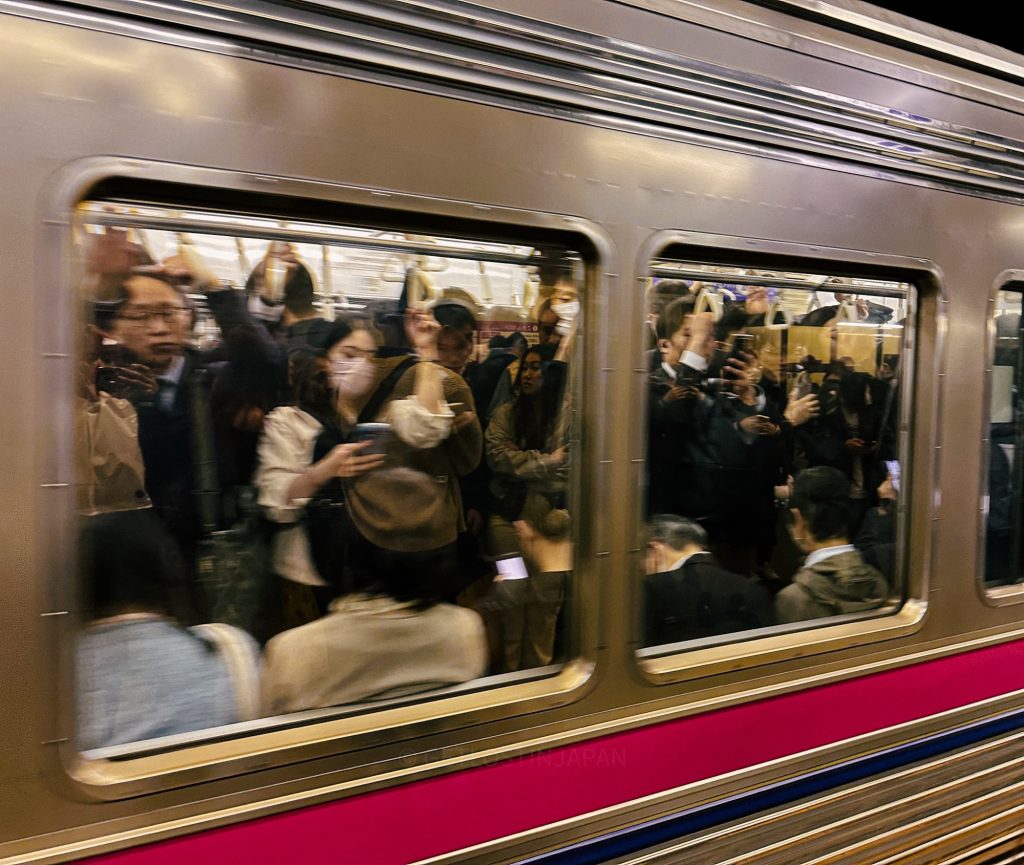
From Osaka-Namba Station, take the Kintetsu Nara Line to Kintetsu Nara Station. This is usually one of the easiest and fastest routes, especially if you’re staying near Namba, Dotonbori, or Shinsaibashi.
The ride usually takes around 35 to 45 minutes, so it’s quick.
Taking the train from Osaka Station to JR Nara Station
If you’re staying closer to Osaka Station or Umeda, you can take the JR Yamatoji Line to JR Nara Station.
This route usually takes around 50 minutes to 1 hour.
Take a Full Day Nara Tour
This route eliminates the need for the train system, if you're worried about navigating the trains. You can join this highly rated tour to Nara that departs from Kyoto or Osaka and takes you to Nara's highlights, including Nara Park and Todai-ji Temple.
Plus, this tour also takes you to Uji's Byodo-in Temple and shopping street, before ending at Fushimi Inari Shrine in Kyoto. It's the best way to see Nara, Uji, and Kyoto all in one day if you want to explore all three cities and are pressed for time.
🦌 Click here to book your spot on this highly rated tour! 🦌
Nara Day Trip Itinerary
Now that we’re finally here, let’s start our day bright and early! You want to make sure to arrive early, as most attractions in Nara will close around 5 PM sharp.
During my first visit, I arrived late (around 12 pm), and while we still wanted to explore the city, we left after only a couple of hours at 4:30 PM because everything we wanted to see was pretty much closed.
Arrive at Kintetsu Nara Station
Start your day at Kintetsu Nara Station, so you’re closest to Nara Park and the rest of the major attractions.
As you make your way toward Nara Park, you’ll start to see deer before you even get there. They are so cute, but don’t get distracted already!
Stop by Nakatanidou for Fresh Mochi
Before you head deeper into the park, try stopping by Nakatanidou, the famous mochi shop known for their fast mochi pounding that’s viral on social media.
This is one of the most popular food stops in Nara, and it’s a fun quick stop even if you don’t catch the mochi pounding performance.
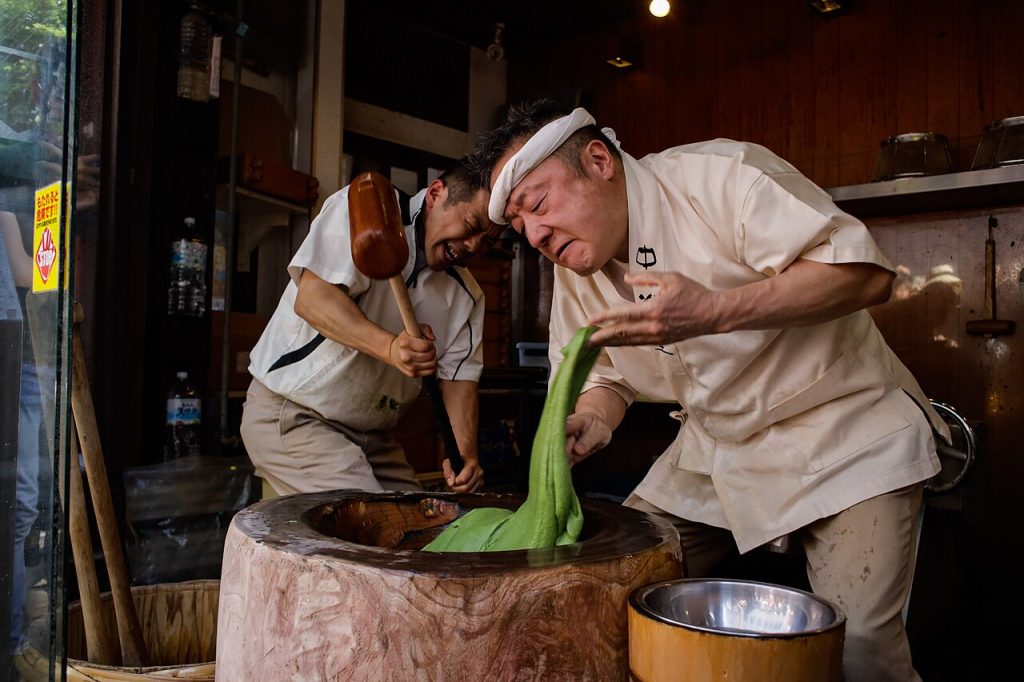
I personally looooove Japanese mochi because it’s so soft and chewy, and it’s not too sweet. It has a delicious brown, nutty powder (kinako) made from roasted soybeans, with red bean paste inside.
You can really taste just how soft the mochi is from all that pounding!
Walk Through Nara Park and See the Deer
Next, head toward Nara Park, the main reason most people visit Nara.
About 1,300 wild deer freely wander the park, and are considered sacred messengers of the gods of Kasugataisha Shrine, which we’ll visit afterwards. They’ve inhabited the area for over 1,300 years, and are dependents from an ancient deer species and designated natural monuments of the country!
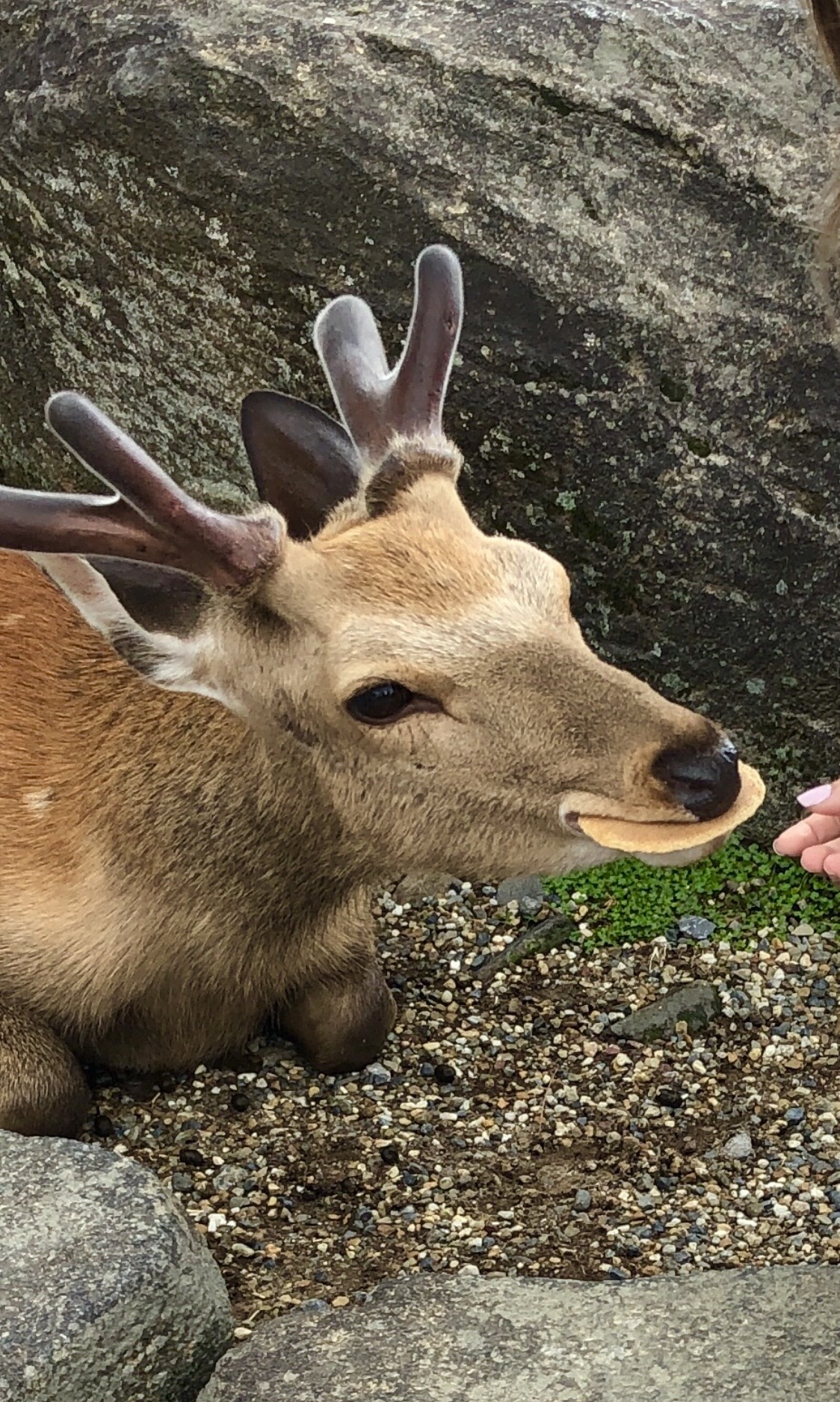
There are many vendors stationed around the park that sell deer treats (shika senbei) for cheap, I think around 300-500 yen. Make sure to grab some so you can feed the deer safe food!
Tips for visiting Nara Park
- The deer can be pushy for food. Don’t tease them or you might regret it!
- Only feed them deer crackers, not regular food.
- Bow before feeding them, they really do bow back!
It’s a super fun and unique experience you can’t get anywhere else. Expect to spend around an hour getting to the park and playing with the deer.
Visit Todai-ji Temple
Once you’ve had all your deer fun (and also run out of crackers), let’s continue on to Todai-ji Temple.
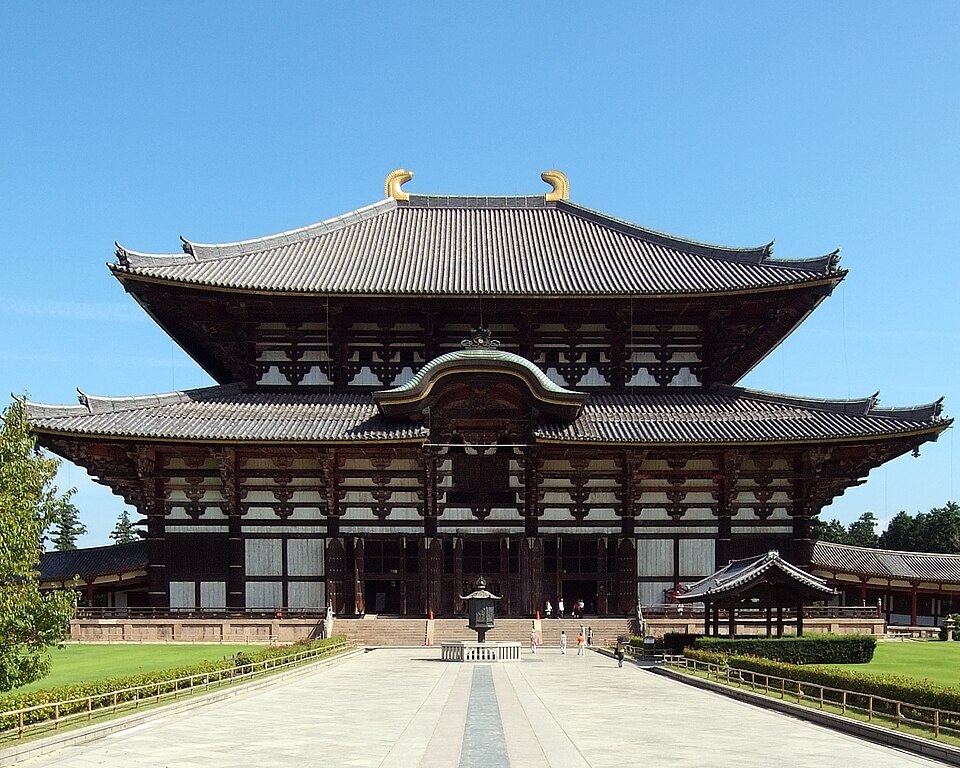
This is one of the most important temples in Japan and home to the massive Great Buddha statue. The scale of the temple is incredible, and it’s unique to stand out amongst the countless temples in the country.
While I couldn’t take any photos inside, the Great Buddha Hall is beautiful and huge, and the bronze Buddha inside simply takes your breath away. I encourage you to connect with your spiritual side and take a moment to enjoy the energy and beauty.
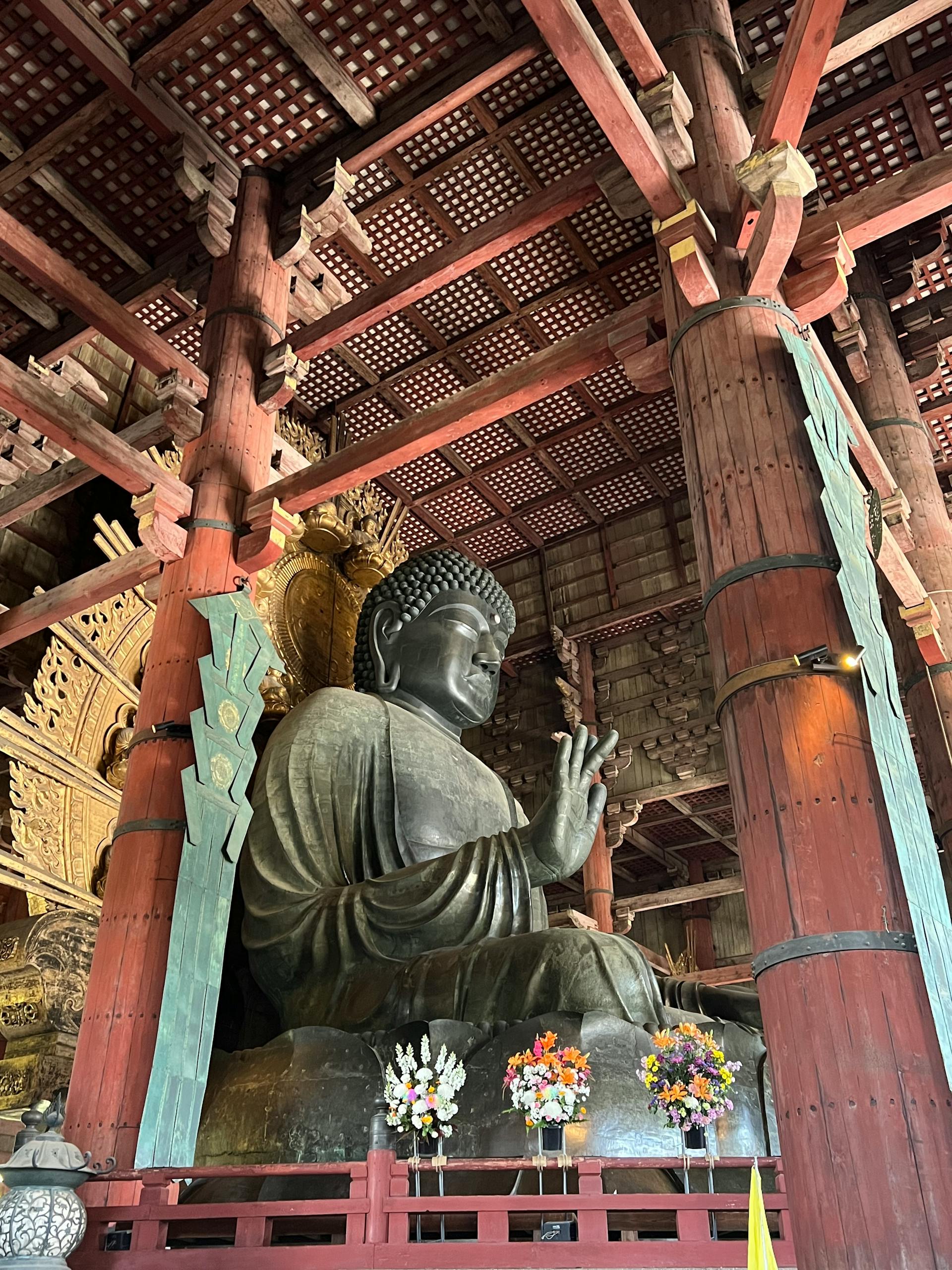
I’d say you can expect to spend 45 minutes-1 hour here.
Visit Nigatsu-do Hall
After Todai-ji, walk up to Nigatsu-do Hall.
This is one of the best viewpoints in Nara, and it’s a little less crowded than the main temple area. From the rustic wooden balcony, you get a beautiful view over the city and the surrounding landscape.
If you’re pressed for time, you can skip this stop, but it’s a scenic view and a nice place to relax for a few minutes after the busy park and temple.
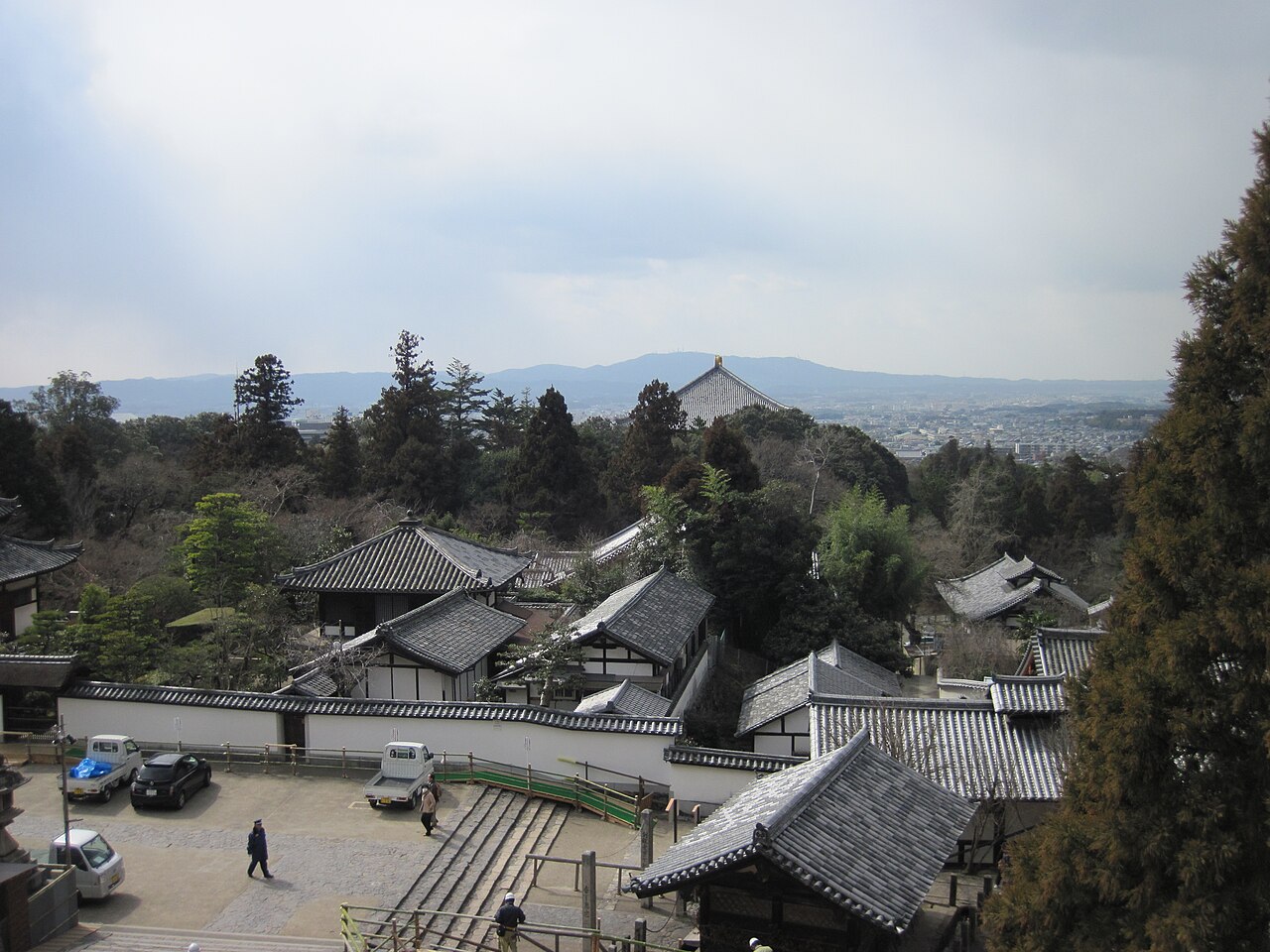
Lunch - Otoro at Maguro Koya
For lunch we’re having some of the best tuna in the city! You’ll have to exit the park area and head back towards Kintetsu Nara Station.
It’s a pleasant 20 minute walk, or a quick 10 minute bus ride from Kintetsunaraeki bus stop.
The tuna here is so delicious. Just. Amazing. You have to try the ootoro, which is high quality fatty tuna belly. It’s my favorite cut of tuna because it just melts in your mouth, but unfortunately it can be a bit pricey. Expect to pay around 3,000 yen ($19 USD) for a generously layered tuna rice bowl.
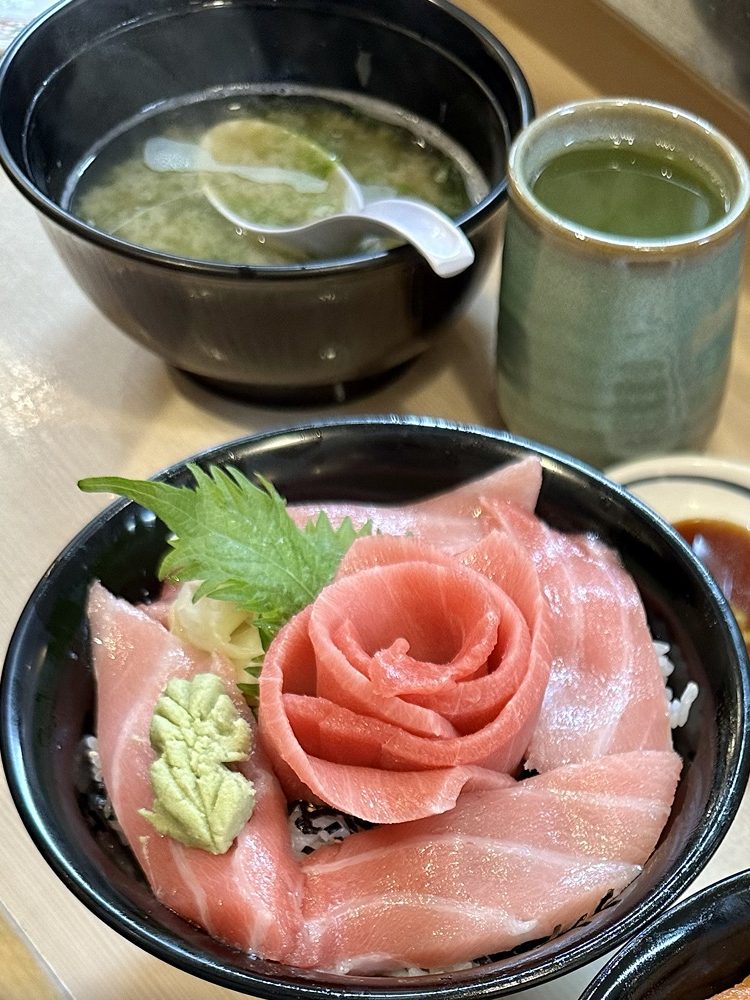
They also have sea urchin (uni) to accompany the tuna, but the restaurant is primarily just tuna. You can also try the tuna fried karaage style!
Alternatively, if that doesn’t fit your vibe, you could try Kakinoha Sushi Honpo Tanaka for Kakinoha sushi, a local Nara specialty, or Gyukatsu Kyoto Katsugyu for beef katsu!
Visit Kasuga Taisha Shrine
After having lunch, head back into the park to Kasuga Taisha, one of Nara’s most beautiful shrines. It’s only a 13 minute walk from Maguro Kora, so not too far.
The walk to the shrine is part of the experience because you’ll pass stone lanterns, forested paths, and more deer along the way. Kasuga Taisha is especially known for its stunning lanterns, which create such a peaceful and romantic setting. If you stay a night in Nara, the temple is much more beautiful when the sun sets and the lantern lights flicker on.
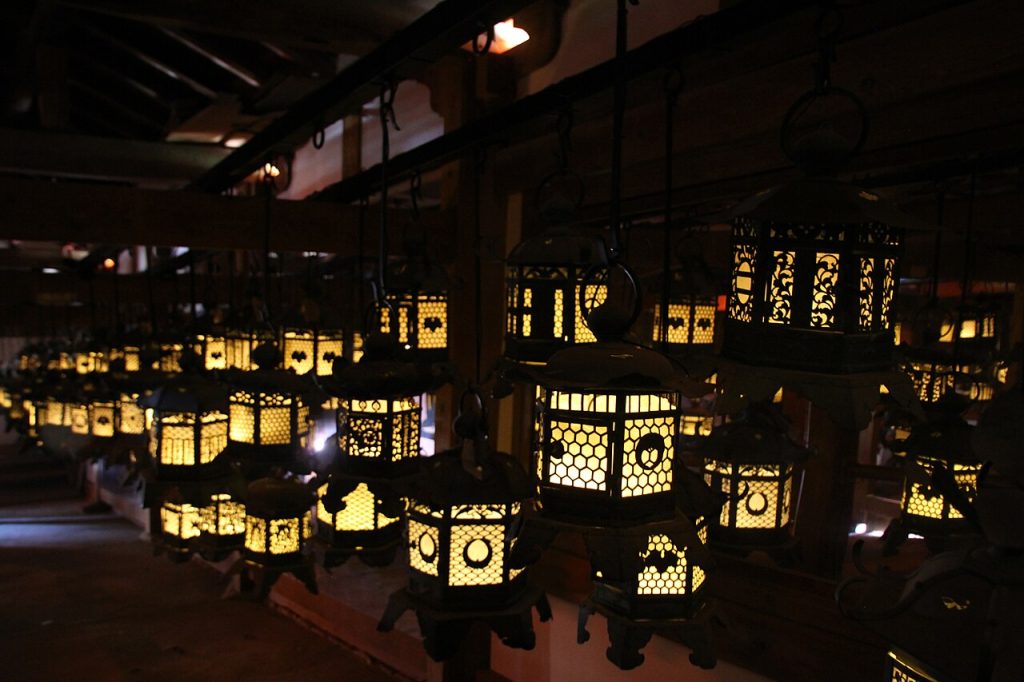
Between the two shrines, I can’t help but love Kasuga Taisha more. Even though Todai-ji is bigger and more grand, I just love the beautiful magical atmosphere that the lanterns in Kasgua Taisha create.
Overall, I spent around 45 minutes to 1 hour here.
Optional: Isuien Garden or Yoshikien Garden
If you still have time (and energy), you could also opt for seeing one of Nara’s picturesque gardens before you head back home.
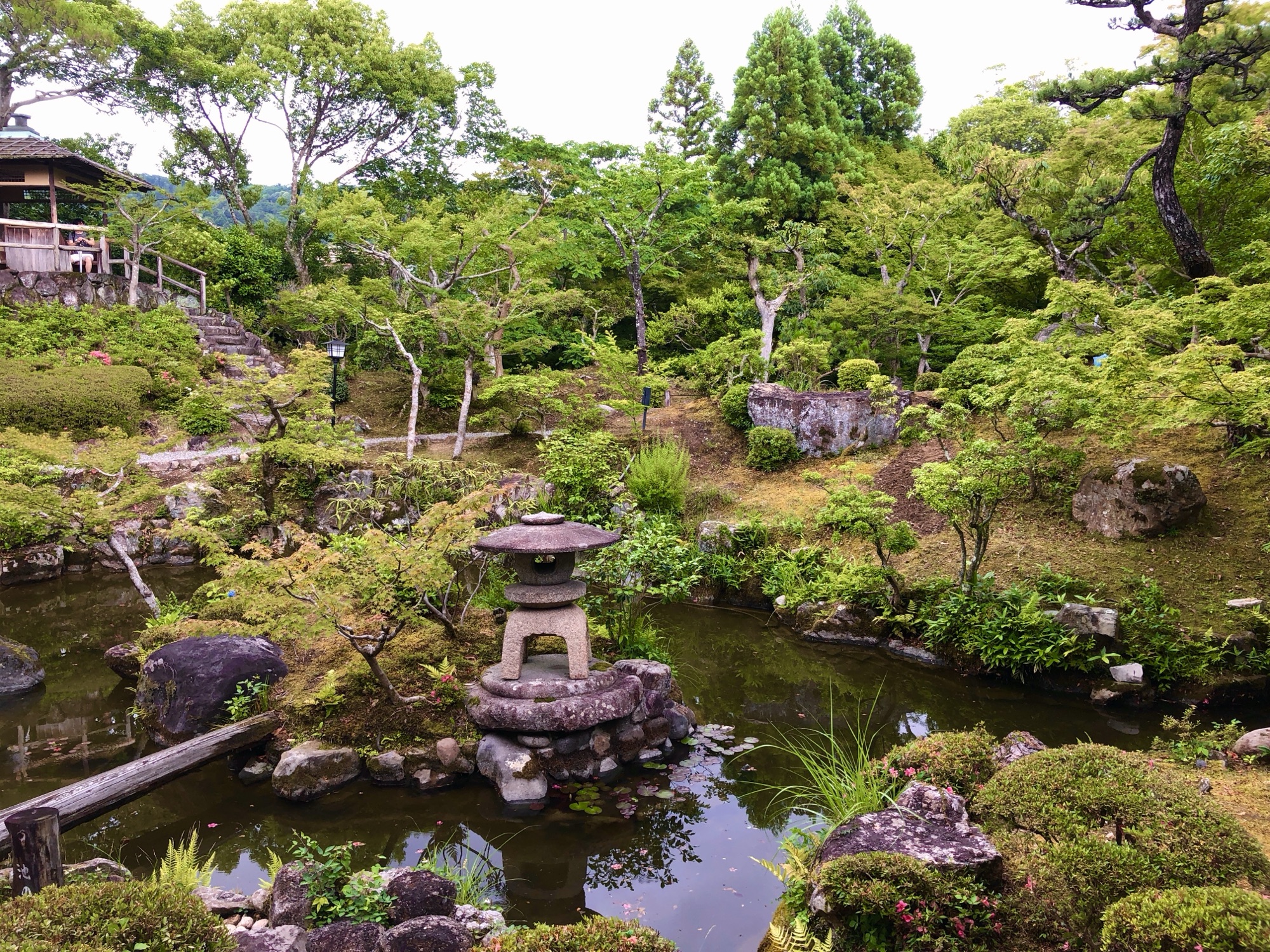
Isuien Garden is a beautiful traditional Japanese garden near Todai-ji. While you stroll the peaceful gardens, you’ll see Mt. Wakakusa and the Great South Gate of Tōdaiji in the back. Isuien is loved for it’s use of shakkei, or “borrowed scenery”. However, the admission ticket is a little on the higher end, at 1,200 yen for adults. It’s open from 9:30 AM-4:30 PM, with the last admission being 4 PM.
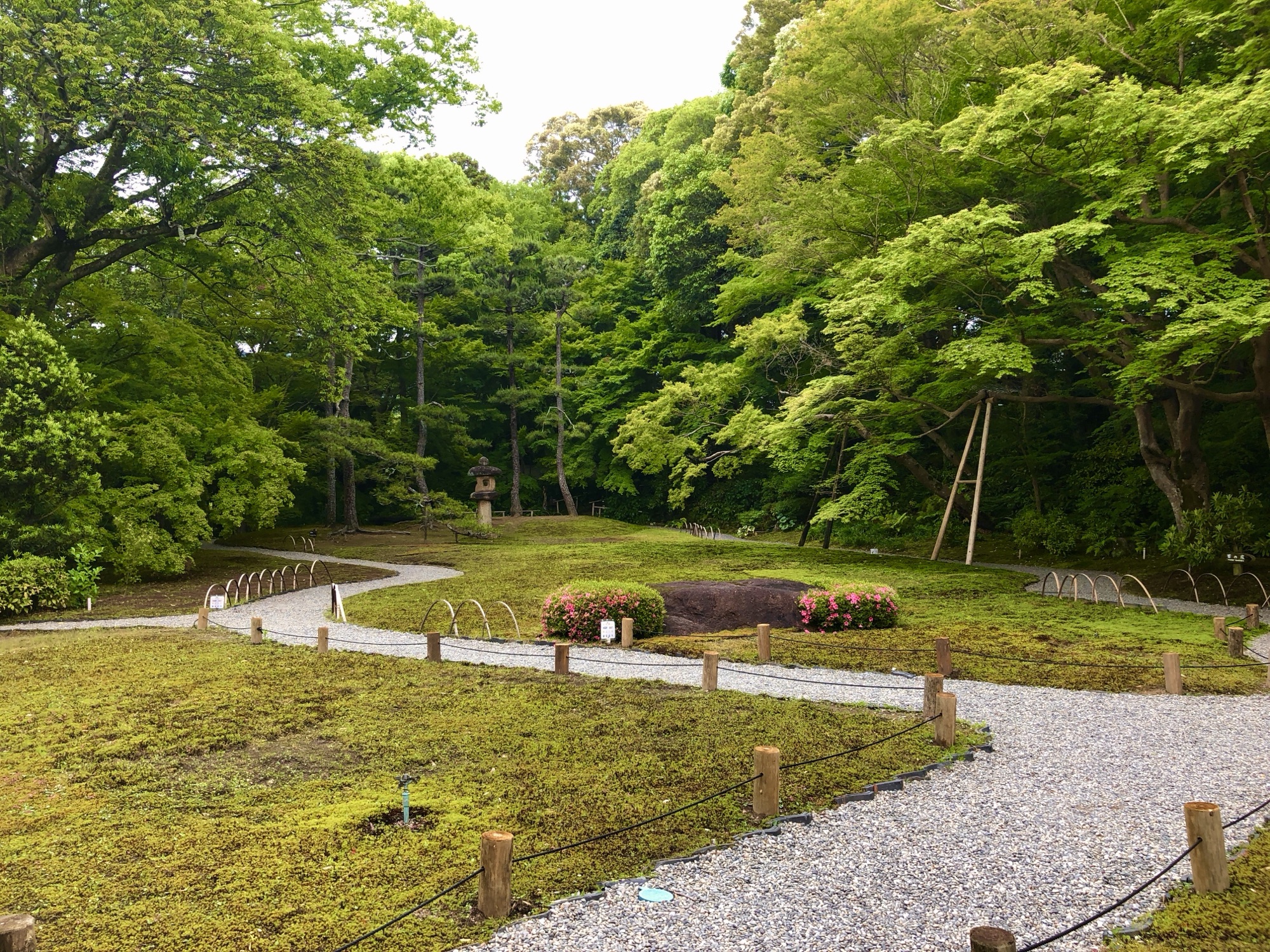
Yoshikien Garden is another nearby option that is open a little bit later, until 5 PM.
However, remember that almost all of the main attractions in Nara close around 4:30-5 PM, so prioritize the main sites if it’s getting late.
Explore Higashimuki Shopping Street and Mochiidono Shopping Street
My favorite thing to do in Japan is shop, and Nara is the place for… you guessed it, insanely adorable DEER THEMED SOUVENIRS!
Higashimuki and Mochiidono shopping streets are near Kintetsu Nara Station, so make sure to spend some time perusing the shopping streets before you go home. They are both covered shopping arcades, so you’ll have protection during rainy days. Nearby is also Naramachi, a sightseeing spot of old townhouses built between the Edo and Meiji periods lined with cafes and shops.
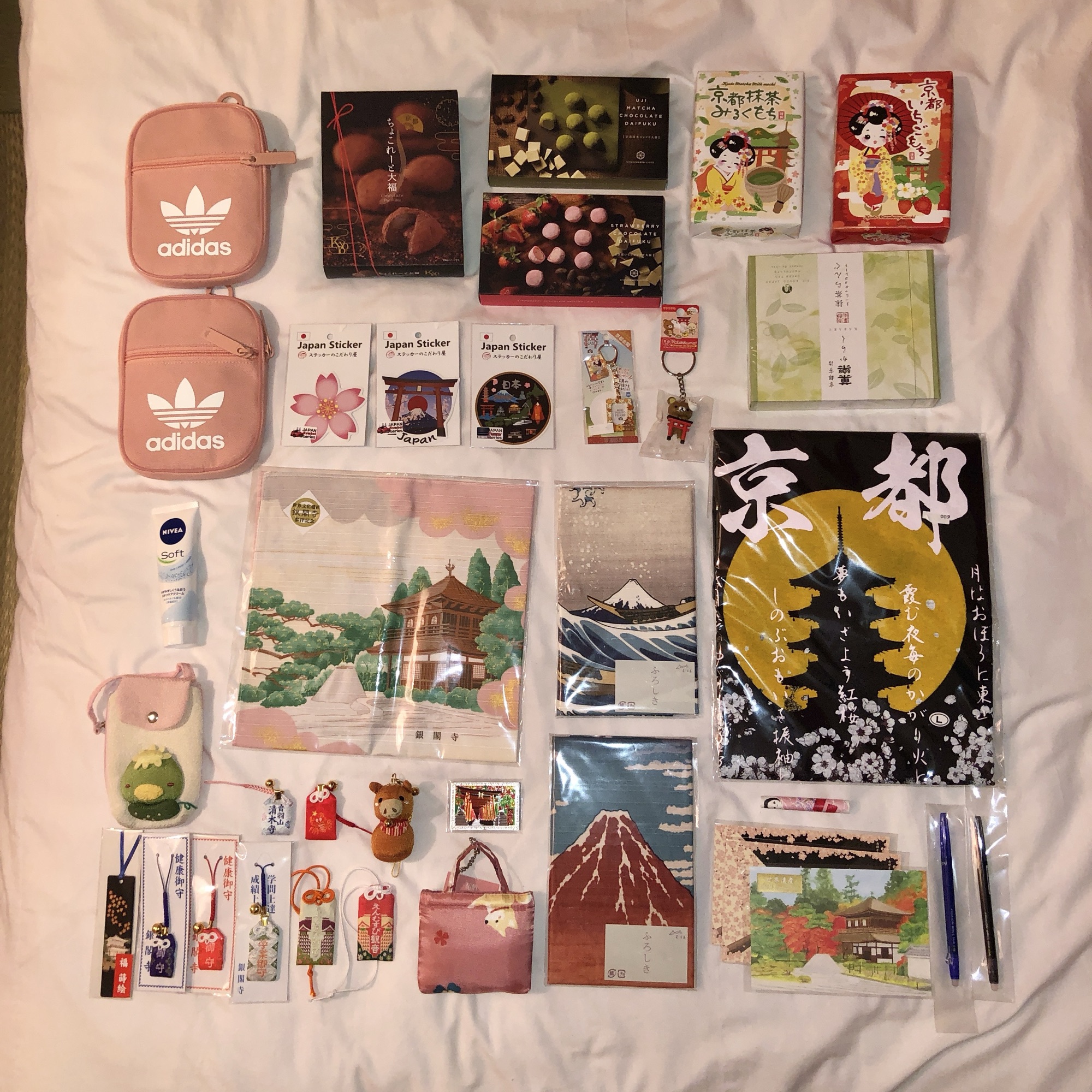
My favorite things to get here are cute deer-themed souvenirs, but there’s also snacks, sweets, cafes, and restaurants if you want to have an early dinner before heading home. There’s even a nice second hand kimono shop I found in Higashimuki Shopping Street.
Keep in mind most of the shops here close by 6!
Dinner: Sukiyaki at Momoshiki
If you want to grab dinner in Nara, I recommend visiting Momoshiki for some amazing beef sukiyaki. It’s right next to Higashimuki Shopping Street and Kintetsu Nara Station, so you can hop on the train home right after.
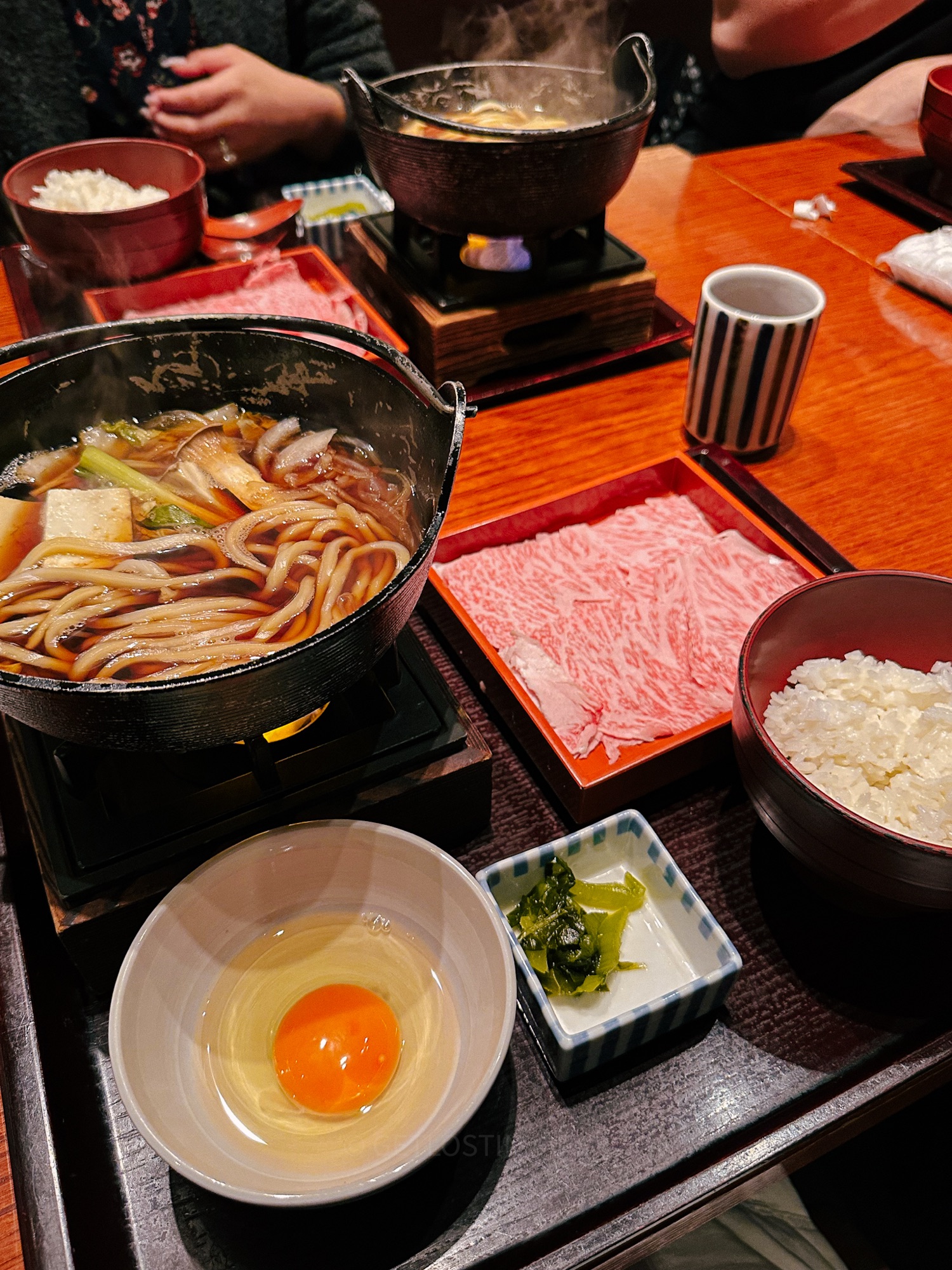
Sukiyaki Japanese hot pot is one of my absolute FAVORITE foods in the world. The quality of the beef here is tender and full of flavor.
Momoshiki also has an incredible shaved ice dessert. The strawberry flavor is amazing. Overall, I highly recommend checking this restaurant out if you’re thinking about dinner in Nara!
Leave Nara
Full and ready to head back? From Kintetsu Nara Station or JR Nara Station, head back to Kyoto or Osaka. If you still have energy and your accommodations are in Kyoto, you can check out my blog post on things to do in Kyoto at night.
Helpful Things to Know Before Visiting Nara
Here are some helpful tips for visiting Nara!
Start early because most attractions close at 4-5 PM
If you can arrive in Nara by 9:30-10 AM, that will give you enough time to see the major attractions. You can definitely see the major attractions in 5-7 hours. The biggest disadvantage is that most of the attractions in Nara close early, around 4-5 PM, so arriving early will be beneficial.
Use Kintetsu Nara Station
Kintetsu Nara Station is closer to Nara Park and the rest of the main attractions on the itinerary. It takes less than 10 minutes to arrive at Nara Park from Kintetsu Nara Station, versus a 8 minute train ride or 20 minute walk from JR Nara Station.
Best time to visit Nara
Nara is beautiful year-round, but I think spring and fall are the best times to visit.
You’ll get to enjoy cherry blossom season in spring during late March-early April, while fall has beautiful autumn colors around the parks, temples, and shrines. Also, from March 1-14, Nara hosts the Omizutori festival at Todai-ji Temple, with massive burning torches hanging from the balcony of Nigatsudo Hall.
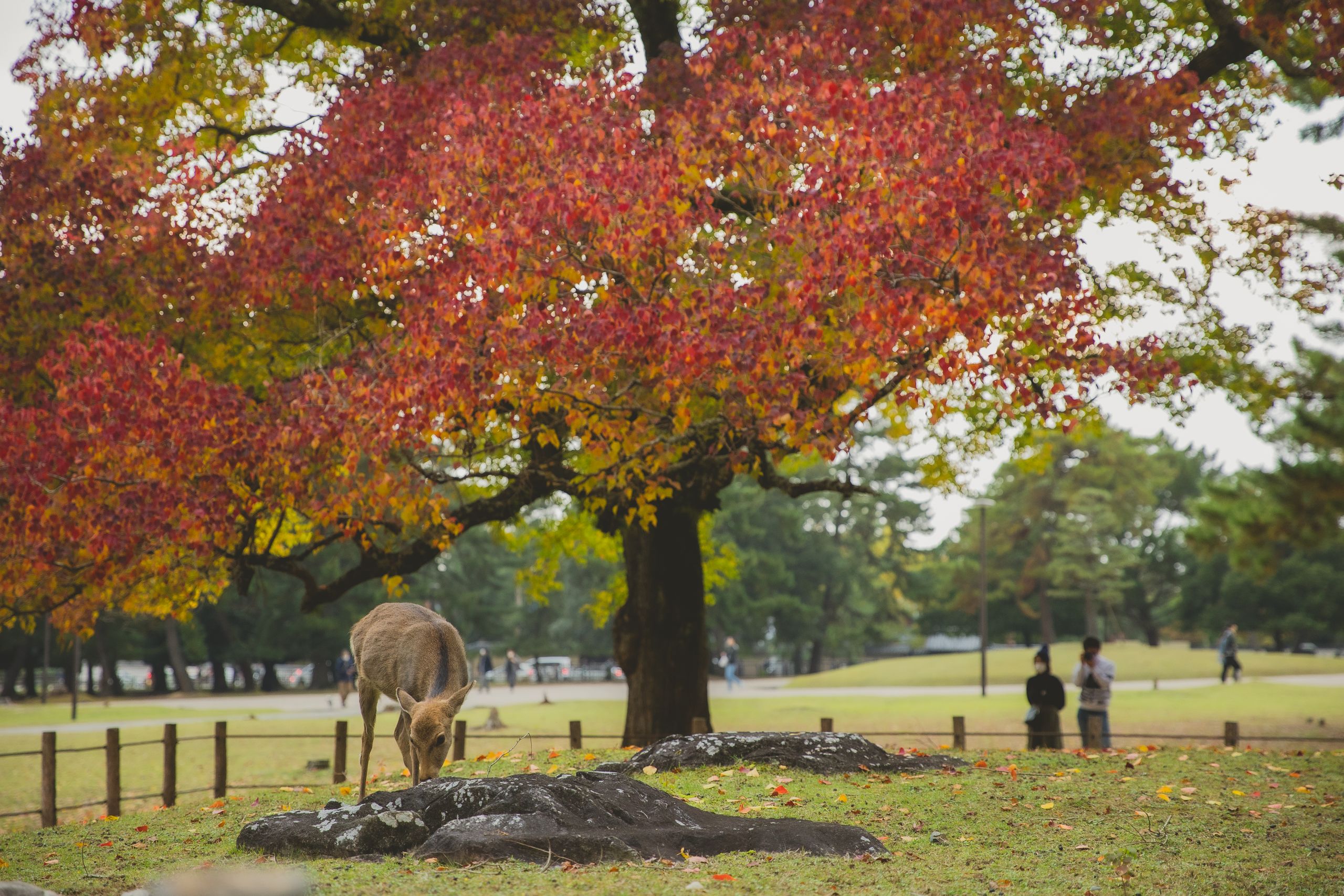
Summer can be hot and humid, so I generally don't recommend it. However, there is a beautiful lantern festival called the Nara Tokae Lantern Festival from August 5-14. So if you’re visiting Kyoto in summer, you may want to see if the dates align.
Winter is colder but usually less crowded, and there are some festivals like the Kasuga Wakamiya On-Matsuri with a massive event on December 17, as well as Wakakusa Yamayaki on the 4th Saturday in January.
Experiencing a traditional Japanese festival is super super fun, because the vibes are so high. So I definitely recommend going if you have an opportunity!
Wear comfortable shoes
As it is with almost all of Japan’s major cities, expect to walk a loooooot in Nara.
Most of the main sights are technically walkable and are near Nara Park, but Nara Park itself is pretty freaking huge.
You should definitely wear comfortable shoes, because this might be a 20,000 step kind of day.
Nara Day Trip vs Overnight Stay
You really don’t need to stay overnight in Nara. For most travelers, Nara works perfectly as a day trip from Kyoto or Osaka. The city is easy to reach, and the main sights can be covered in one day.
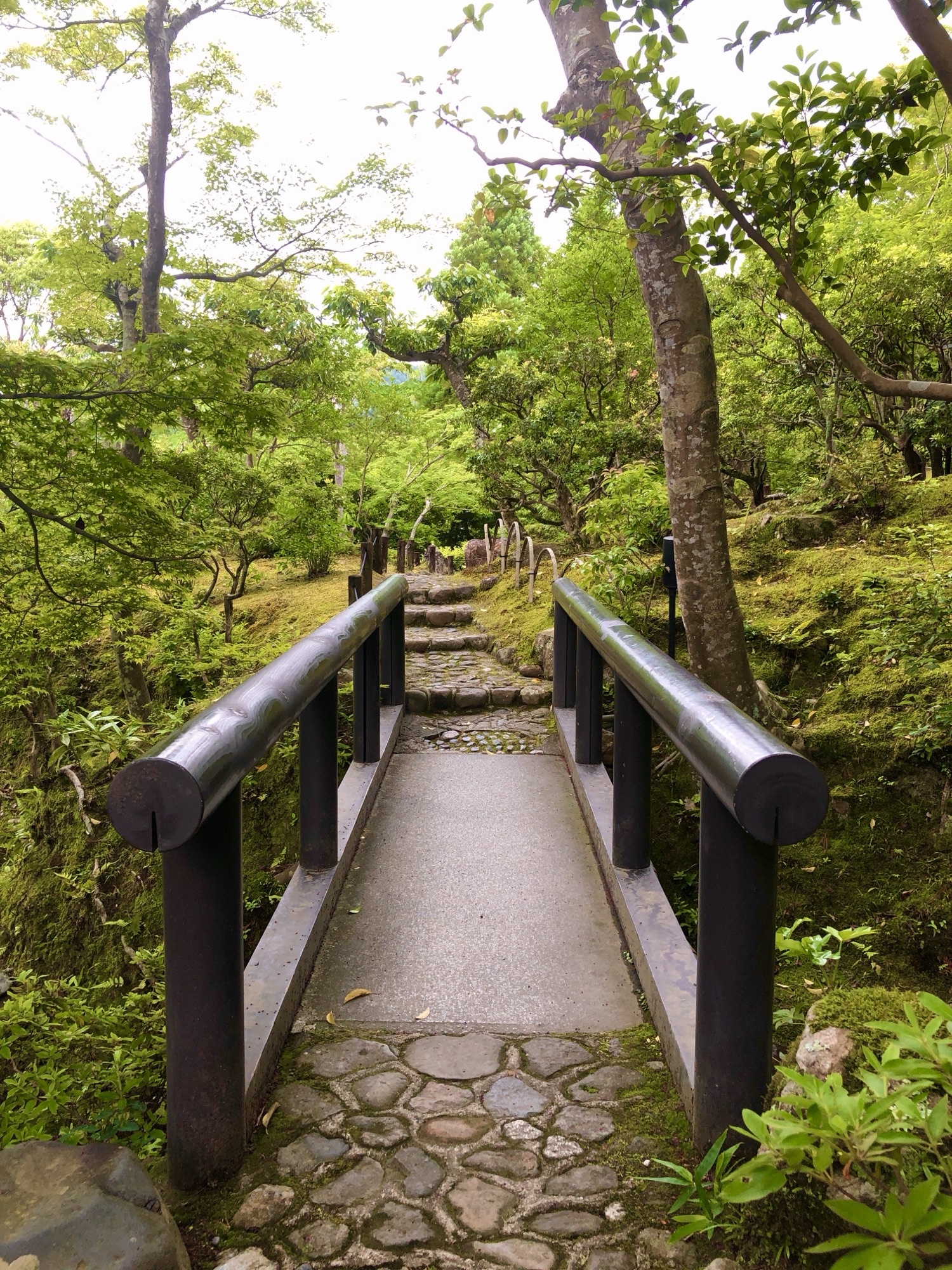
That said, staying overnight could be nice if you want to experience Nara in the early morning or evening after the day trip crowds leave, or you just prefer slower travel.
Where to Stay in Nara
If you do decide to spend a night in Nara, that's a good thing! It'll be a peaceful, relaxing one night stay and a nice break from the craziness of Kyoto and Osaka. Here are my top picks of where to stay!
TOP CHOICE #1: Shikitei
If you’re itching to experience a traditional Japanese inn, a.k.a a ryokan, Shikitei in Nara is a great option.
I’ve stayed at 6 ryokan all around Japan, and I’ve learned what makes a ryokan stand out: beautiful rooms, convenient location, and the kaiseki meals.
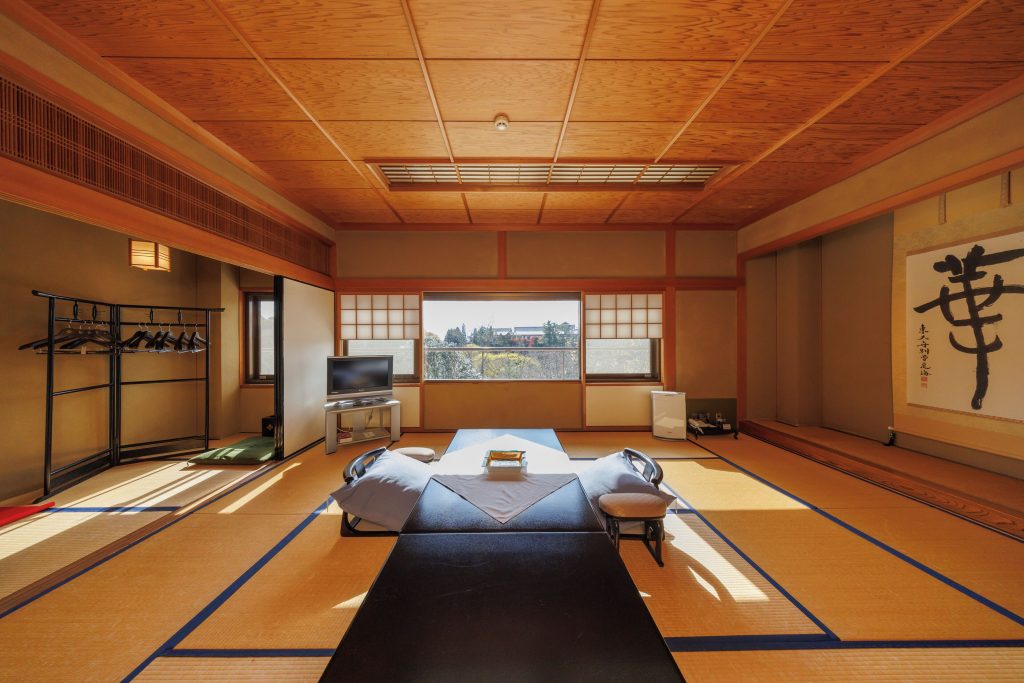
Shikitei is great because all the reviews rave about how amazing the kaiseki meals are, and it’s in an unbeatable location being just a 5 minute walk to Nara Park and the bowing deer. Additionally, there’s a soothing public onsen, and the rooms are spacious and beautifully designed with traditional Japanese interiors.
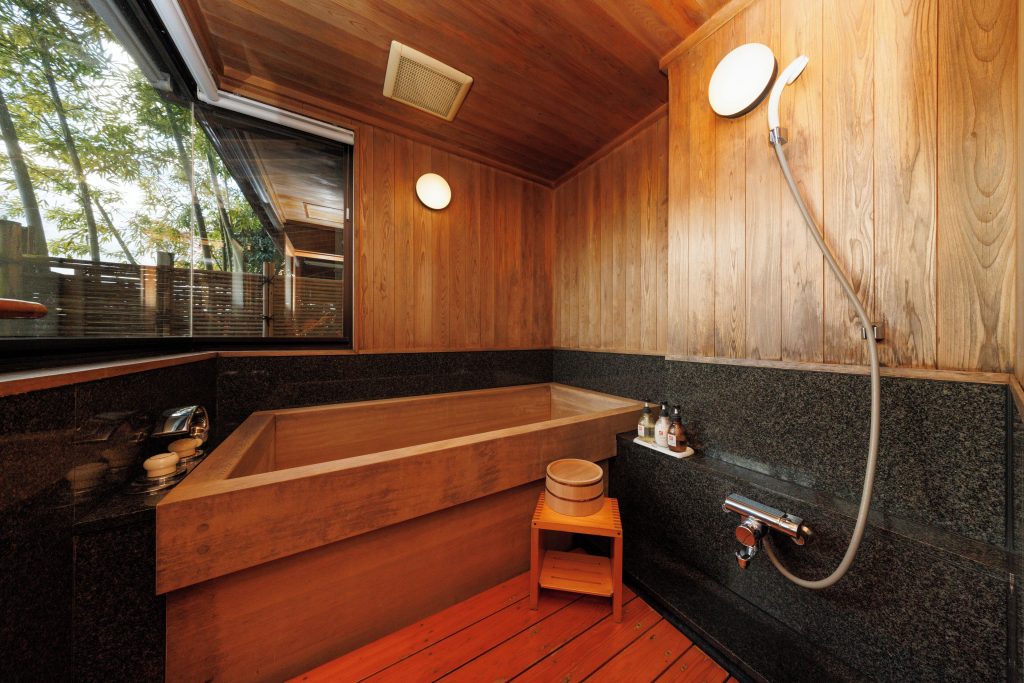
The only caveat I have for this ryokan is that there's no private onsen, though the classic suite has a cedar bath with a beautiful garden view. If that's what you're looking for, I recommend checking out my post on the best ryokans in Kyoto with private onsen.
TOP CHOICE #2: Henn na Hotel Premier Nara
I’ve personally stayed at Henn na Hotel before, and I loved my experience! It is what you would imagine from a traditional hotel, with western beds, great price point, and a perfect location being a 2-minute walk from Kintetsu Nara Station.
Except there’s one small and very quirky caveat: the front desk staff are holograms!!! And not just any holograms, they are quirky dinosaurs that move and talk.
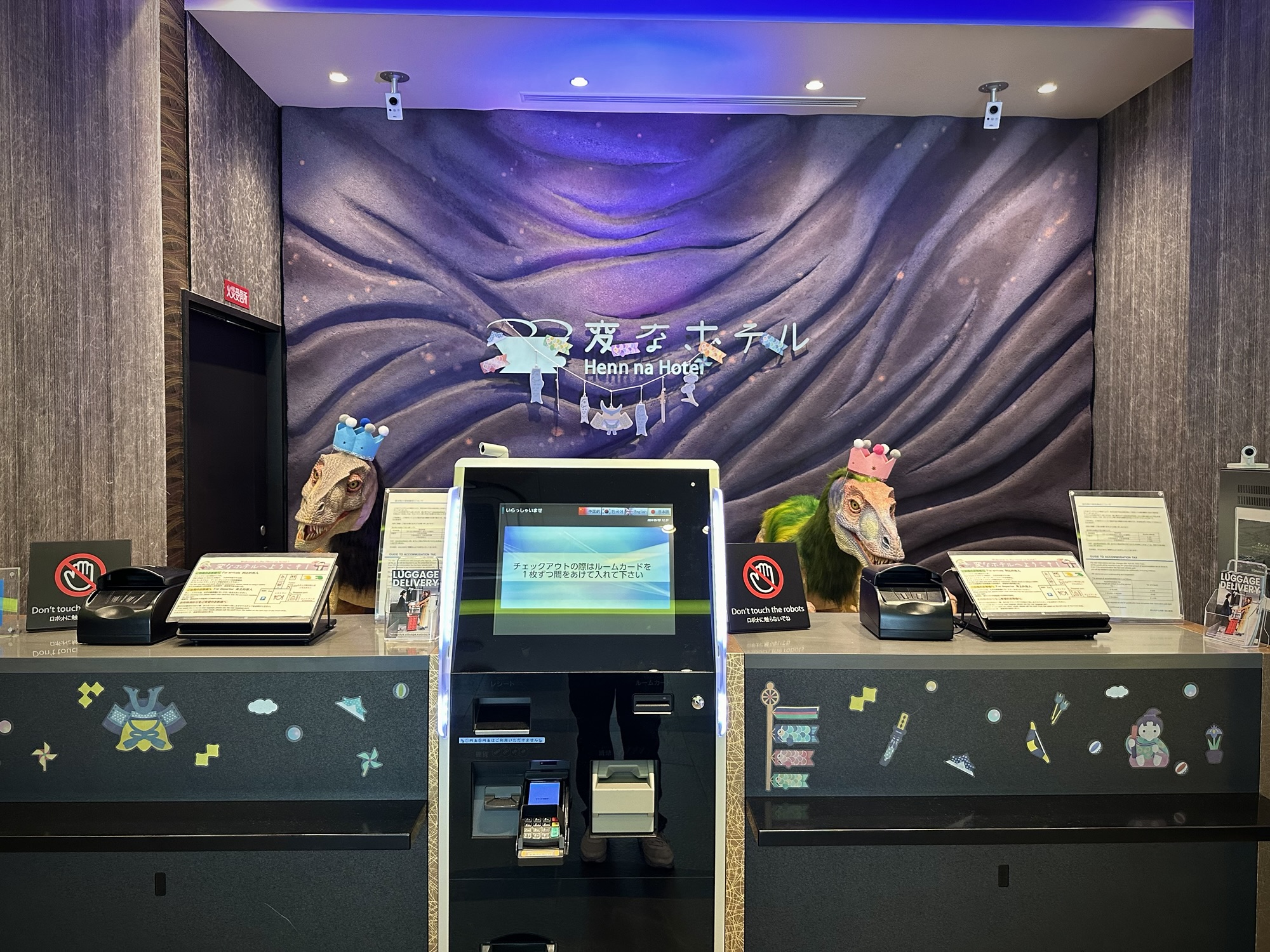
It’s a fun experience, and the hotel itself is immaculately clean and updated. Don’t worry, there are real staff around in case you need them, too!
Nara Day Trip FAQs
Ok, let’s break down some questions you might have about your Nara itinerary!
What is Nara famous for?
Nara is most famous for its free-roaming deer, Todai-ji Temple, the Great Buddha, and its history as Japan’s first permanent capital.
Is one day enough for Nara?
Yes, one day is enough for Nara! You can comfortably visit Nara Park, Todai-ji Temple, Kasuga Taisha, Nigatsu-do Hall, and the nearby shopping streets in a single day.
Is Nara better from Kyoto or Osaka?
Nara works well from both Kyoto and Osaka.
Kyoto is slightly more convenient if you’re already planning to see the major temples, but Osaka is also easy, especially if you’re staying near Namba.
From Kyoto, the trip can take around 35 to 50 minutes. From Osaka, the trip can take around 35 minutes to 1 hour depending on where you’re staying.
Overall? It doesn’t matter.
Should you use Kintetsu Nara Station or JR Nara Station?
Kintetsu Nara Station is usually better for sightseeing because it’s closer to Nara Park, Todai-ji Temple, and the main shopping streets.
JR Nara Station works too, but I would only go there if I had the JR Rail Pass, since it’s farther from the main attractions.
Should I visit Nara or Uji?
Visit Nara if you want to see the famous deer, historic temples, and one of Japan’s most iconic day trip destinations.
Visit Uji if you love matcha, tea culture, Byodo-in Temple, and a quieter small-town atmosphere.
For a first-time Japan trip, Nara is probably the stronger choice. For a second trip or matcha-focused itinerary, Uji is amazing.
Can you visit Nara and Uji in the same day?
Technically, yes, but I wouldn’t recommend it unless you’re a very early riser and okay with a rushed day.
Nara has enough to fill a full day, and Uji also deserves at least a half day. If you try to do both, you’ll probably have to skip some sights and move quickly because many temples and shops close around 4 or 5 PM.
If you're really set on seeing both cities, then I recommend booking a tour that will drive you directly to the sites.
Can I do Nara as a half day trip?
Yes, but I don't recommend it because it will be rushed. For a half day in Nara, prioritize Nara Park, Todai-ji Temple, and maybe Kasuga Taisha if you move quickly. And I mean ondelay!
Do the Nara deer really bow?
Some of them do bow, especially when they know you have deer crackers. Just remember that they’re still wild animals, so be respectful and don’t tease them with food.
Conclusion: Planning the Perfect Nara Day Trip
There you go, the perfect Nara day trip from Kyoto or Osaka!
Nara is one of the easiest and most rewarding day trips you can add to your Japan itinerary. The deer are obviously the main draw, but the city also has some of Japan’s most impressive temples, peaceful shrine paths, scenic viewpoints, and cute shopping streets.

If it’s your first time choosing between Nara and Uji, I’d probably choose Nara first because the deer and Todai-ji Temple are just too iconic to miss. But if you have extra time, Uji makes an amazing second day trip, especially if you love matcha! You can click here for more info on planning a day trip to Uji.
Also, I recommend checking out some of my Kyoto posts next! As always, if you need any help planning your trip please feel free to email me at audrey@getlostinjapan.com 🙂 Happy travels!
Related Posts
The Best Ryokan in Kyoto With Private Onsen
Japan 10 Day Itinerary
Kyoto 2 Day Itinerary