
Is Hakone Worth Visiting? Everything You Need to Know
Last Updated on February 4, 2026 by Audrey
Wondering if Hakone is worth visiting during your trip to Japan?

I spent two days in Hakone last March, and fell in love with it. This peaceful mountain town is one of the easiest weekend getaways from Tokyo, famous for its soothing hot springs, Mount Fuji views, and art museums surrounded by nature.
We spent our few days strolling around abstract outdoor sculptures, eating at tea houses with centuries of history, and soaking our worries away in steaming onsen.
It’s no secret that Hakone is populated with tourists, and you’re probably wondering if it’s even worth a visit. Let’s break down whether Hakone is worth your time or not.
Spoiler: it probably is!
Short on Time?
Hakone is absolutely worth visiting, especially if it’s your first time in Japan.
I recommend spending 1–2 days in Hakone so you can experience the best onsen, see Lake Ashi’s floating torii gate, and ride the cable cars through Owakudani’s volcanic valley.
🏠 Book accommodation in Hakone: My favorite luxury stay is Fujiya Hotel for it’s cultural roots and beauty, and my top budget stay is K’s House Hakone!
🎟️ My favorite Hakone tour: I LOVED this Hakone tour that takes you to the must-see spots in Hakone and Kawaguchiko in one day! See Mt Fuji, shop at Gotemba Outlets, and cruise on Lake Ashi! It’s perfect if you want convenient transportation!
🚆 Book your JR Pass and Hakone Freepass: The Hakone Freepass covers trains, cable cars, boats, and buses. It‘s the easiest way to explore Hakone via public transport.

Is Hakone Worth Visiting?
What Makes Hakone So Special?
Tucked in the mountains of Kanagawa Prefecture, about an hour and a half southwest of Tokyo, Hakone is part of the Fuji Hakone Izu National Park.
Only 1.5 hours away from Tokyo, it’s a peaceful resort area where you can enjoy soaking in a natural hot spring, and occasionally spot Mount Fuji peaking above Lake Ashi on a clear day.
Hakone isn’t one single town, but a group of small mountain villages scattered around the base of an ancient volcanic crater. Everything is connected by a network of trains, cable cars, and the famous (and to be honest, random) pirate ship. This is known as the Hakone Loop.
I drove to Hakone from Tokyo last March in hopes of catching a view of the elusive Fuji-San and to visit a couple of museums around the area. I spent two days here, and even though Mt Fuji decided not to come out, I ended up falling in love with the town anyway.
So let’s talk about why I think Hakone is worth the hype, and the things to do in Hakone.
Quick Facts About Hakone
- 📍 Location: Kanagawa Prefecture, about 1.5 hours from Tokyo
- 🏔️ Famous for: Onsen, Lake Ashi, Mount Fuji views
- 🍡 Local specialties: Amazake, mochi, and Owakudani black eggs
- 🎨 Best for: Couples, art lovers, nature enthusiasts
- 🕰️ Perfect trip length: 1-2 days
How to Get to Hakone from Tokyo
By Train
If you’re heading to Hakone from Tokyo, the earliest train from Shinjuku Station departs at 7 to 7:30 AM, depending on the day. You have two main options to reach Hakone-Yumoto Station: the Odakyu Romancecar or the regular JR route via Odawara Station.
Romancecar from Shinjuku
The Romancecar is the faster and more scenic option.
It takes about an hour and a half from Shinjuku to Hakone-Yumoto and costs roughly ¥2,500 one way ($16.60 USD).
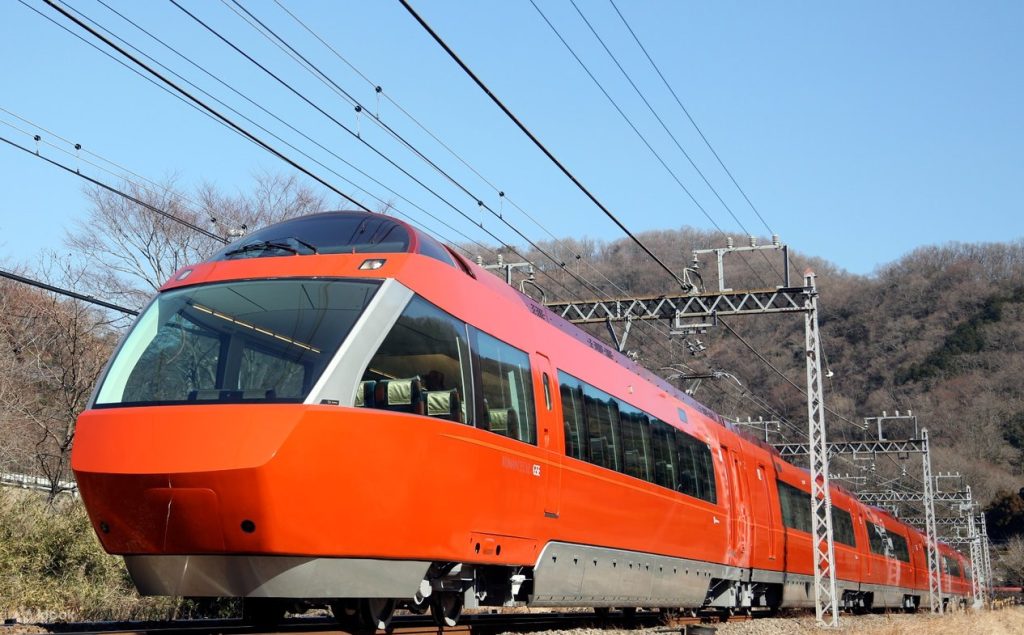
You can book your ticket online or at the station, but if you want one of the front or rear seats that offer a panoramic view of the mountain scenery, you need to try reserving it as soon as it opens one month in advance. These seats sell out really fast.
Tickets for the romance car are ¥1,200 ($8 USD). Keep in mind the Romancecar Limited Express ticket is added on top of the regular train fare (¥1,270 or $8.45 USD), so you’ll still need to pay for a regular ticket on your IC card at Shinjuku Station.
JR Pass
If you don’t want to get the Romancecar ticket or are a Japan Rail Pass holder, then you can take the JR line from Tokyo Station to Odawara Station, then transfer to a local train or bus to Hakone-Yumoto.
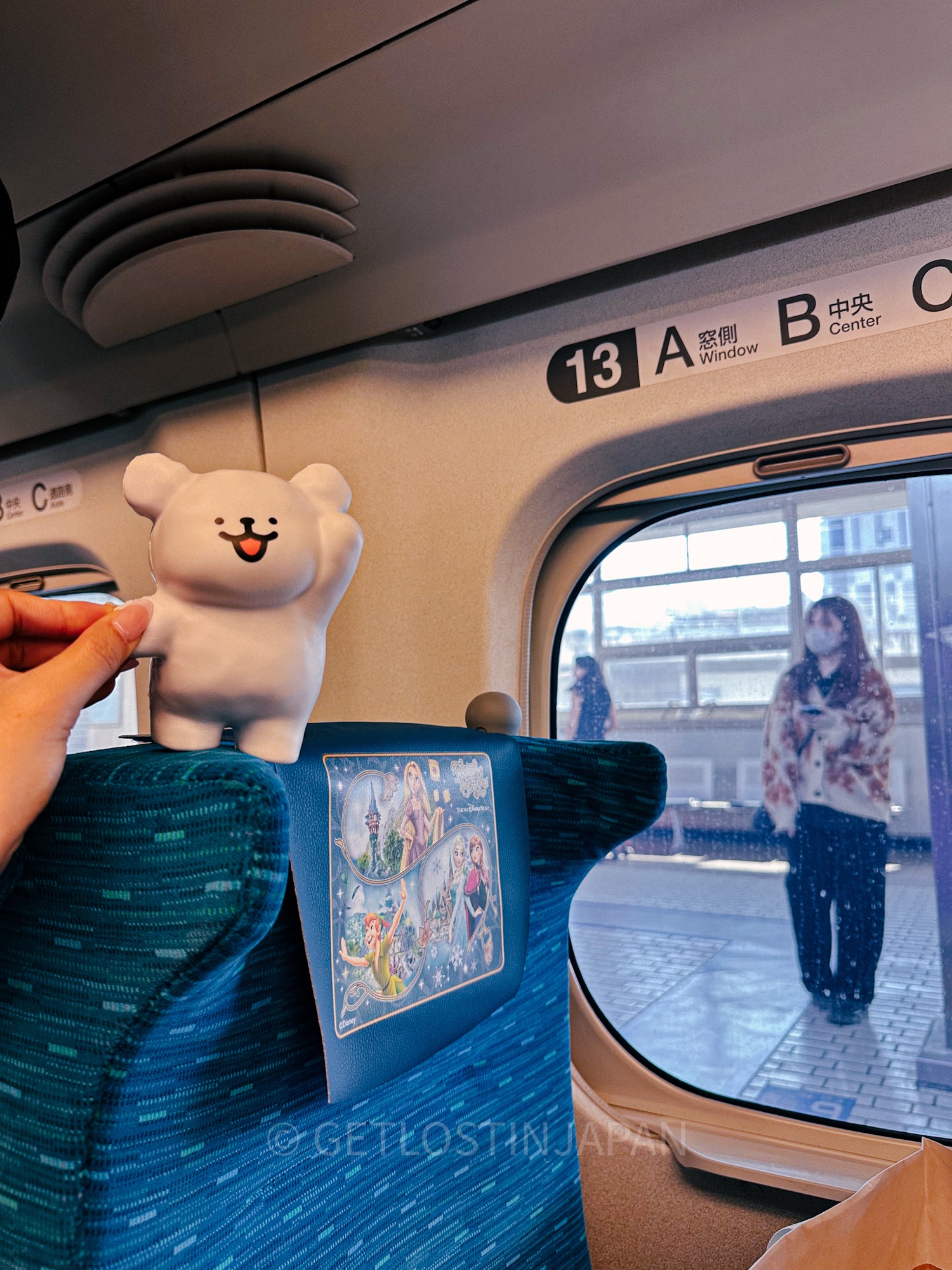
This route takes about two hours in total and costs around ¥2,000 ($13) without the pass.
💡 Pro tip: If you want to start your day at Lake Ashi, you should exit at Moto-Hakone Port instead of Hakone-Yumoto. You’ll arrive in just under two and a half hours.
Commuter Train (Not Recommended)
There’s a third way to get to Hakone by taking a commuter train from Shinjuku and transferring at Odawara, but it takes so long that I don’t recommend it.
Should You Get the Hakone Freepass?
If you aren’t joining a guided tour or renting a car, then I recommend grabbing the Hakone Freepass. There are eight different modes of transport in Hakone, and chances are you’ll use several of them while sightseeing.
The Hakone Freepass gives you unlimited rides on almost every form of transportation in the area, including trains, buses, the Hakone Tozan Cable Car, the Ropeway, and even the pirate ship cruise across Lake Ashi. It’s the easiest and most cost-effective way to get around Hakone without a car.
The pass also includes discounts at select attractions, such as the Hakone Open-Air Museum, POLA Museum, and some local restaurants and shops. You can buy it as a 2-day or 3-day pass, with or without round-trip transport from Shinjuku Station.
💡 Pro tip: If you ride the Romancecar, The Hakone Freepass covers the base fare so you’ll only have to pay ¥1,200 ($8 USD) instead of ¥2,500 ($16.60).
Hakone Freepass Prices (As of 2025)
- 2-Day Pass starting from Shinjuku Station: ¥6,100 adults ($43 USD), ¥1,100 for children ($8 USD)
- 3-Day Pass starting from Shinjuku Station: ¥6,500 adults ($42.40 USD), ¥1,350 for children ($8.80 USD)
- 2-Day Pass starting from Odawara Station: ¥5,000 adults ($32 USD), ¥1,000 children ($6.50 USD)
- 3-Day Pass starting from Odawara Station: ¥5,400 adults ($35 USD), ¥1,250 ($8 USD)
You can purchase the Hakone Freepass in person at Shinjuku Station, or online in advance through platforms like Klook. It’s available as a physical ticket or a digital pass.
If you plan to complete the full Hakone Loop, the scenic route that connects Hakone-Yumoto Station and Lake Ashi through ropeways, cable cars, and boats, then Hakone Freepass is definitely worth it.
It covers almost everything you’ll ride and keeps you from having to buy individual tickets along the way.
By Car
I personally rented a car from Orix and spent two days in Hakone, and highly recommend it! It’s the most flexible and convenient way to explore Hakone. It wasn’t too expensive either, costing about $58 USD (¥8,900) per day including gas. Split between two people, that’s $29 USD per person a day.

Having a car makes it much easier to reach Hakone’s spread-out attractions, and there’s tons of free parking, even at Hakone Shrine during peak hours.
Another thing to note is that attractions close early here, with the last Hakone Ropeway leaving at 4:30 PM. We never felt like we had to rush due to a time table.
The easiest places to rent are Odawara (about 30 minutes from Tokyo) or Hakone itself if you’re already nearby. I don’t recommend picking up the car in Tokyo unless you want to drive through some crazy traffic, especially if it’s your first time driving on the left side.
Things to Do in Hakone
Now let’s break down what to do in Hakone, and why you should include a stop here on your Japan trip!
Nature & Landmarks
Hakone Ropeway Full Loop Experience
The Hakone Ropeway is one of the most scenic ways to see Hakone and is part of the Hakone Loop: the circular route connected by trains, ropeways, and the Lake Ashi cruise.
The Ropeway connects Lake Ashi, Owakudani, and Gora together. If you don’t rent a car, it’s totally worth it as you traverse a large space in a short amount of time.

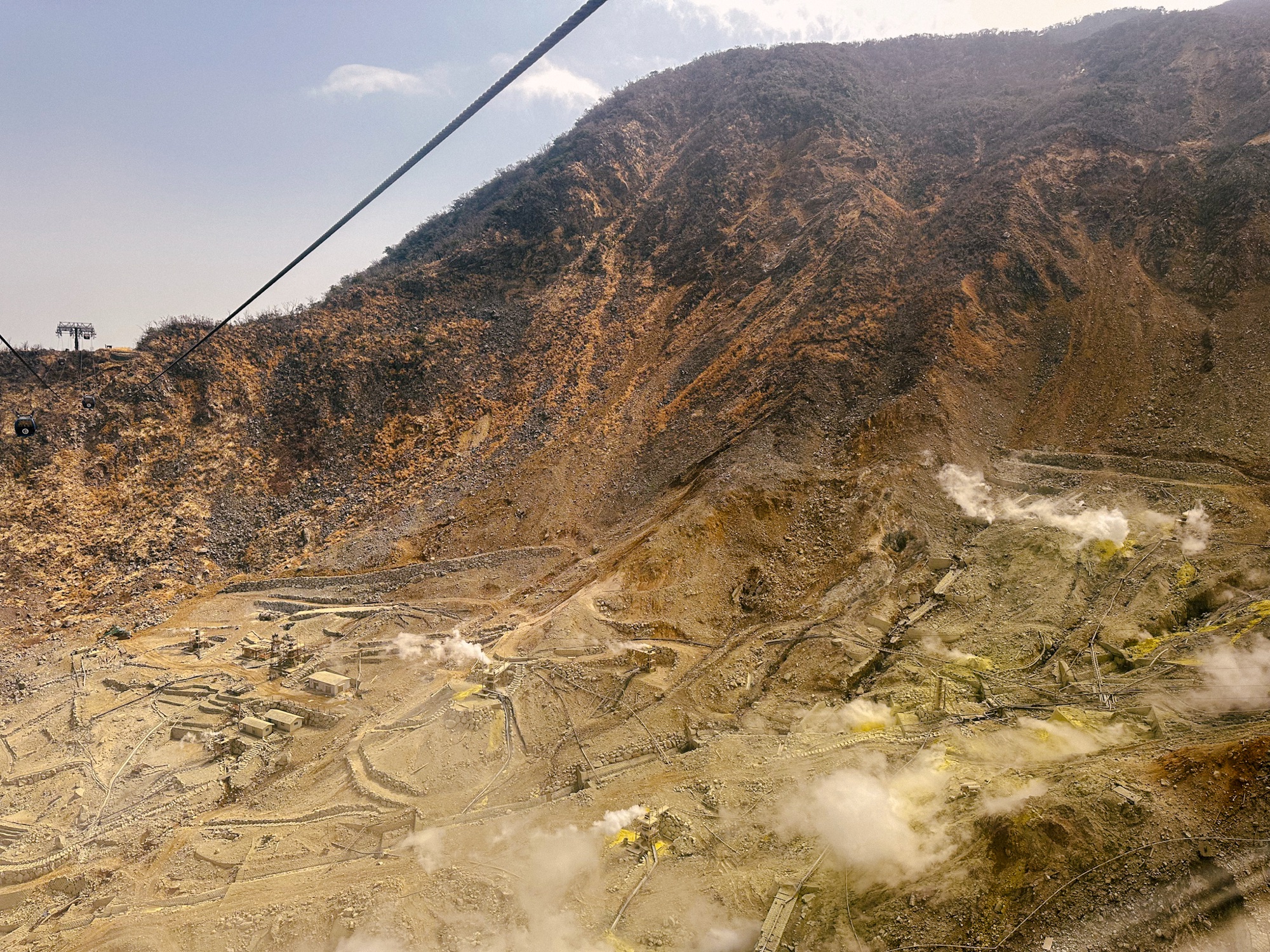
I rode the ropeway from Owakudani to Gora for about ¥2,200 roundtrip (around $15 USD). We floated over Owakudani’s steaming volcanic valley, and got to see the smoke rising directly below. It’s pretty cool!
Hakone Shrine & Peace Torii
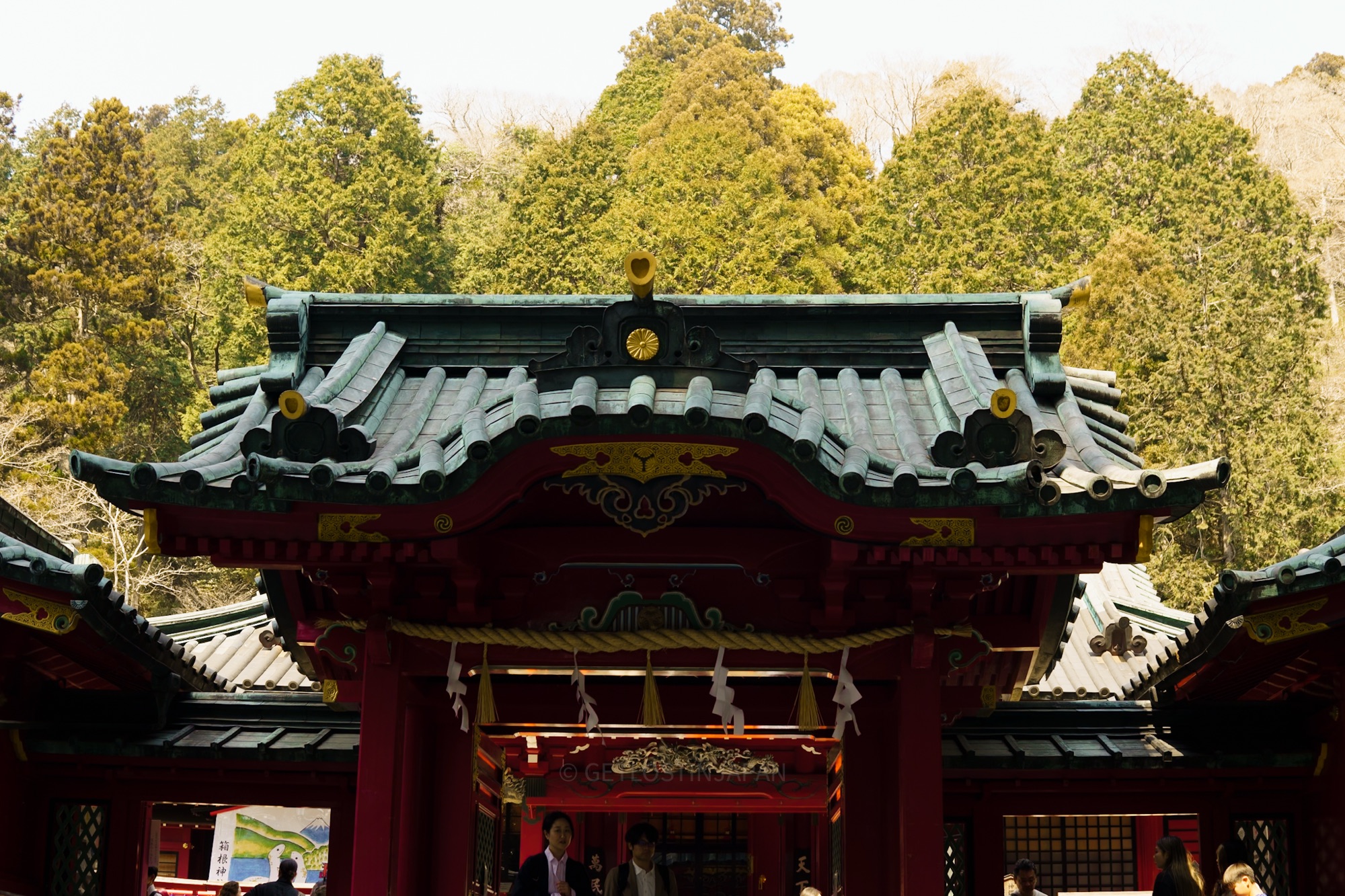
The Hakone Shrine is one of the most beautiful and iconic spots in the area, and is famous for the Peace Torii, the bright red gate that gracefully floats on the surface of Lake Ashi.
The line to take a photo at the Peace Torii is always going to be busy, but it’s right next to Hakone Shrine so you can take your time exploring the shrine grounds, which are quite beautiful and shaded by tall cedar trees.
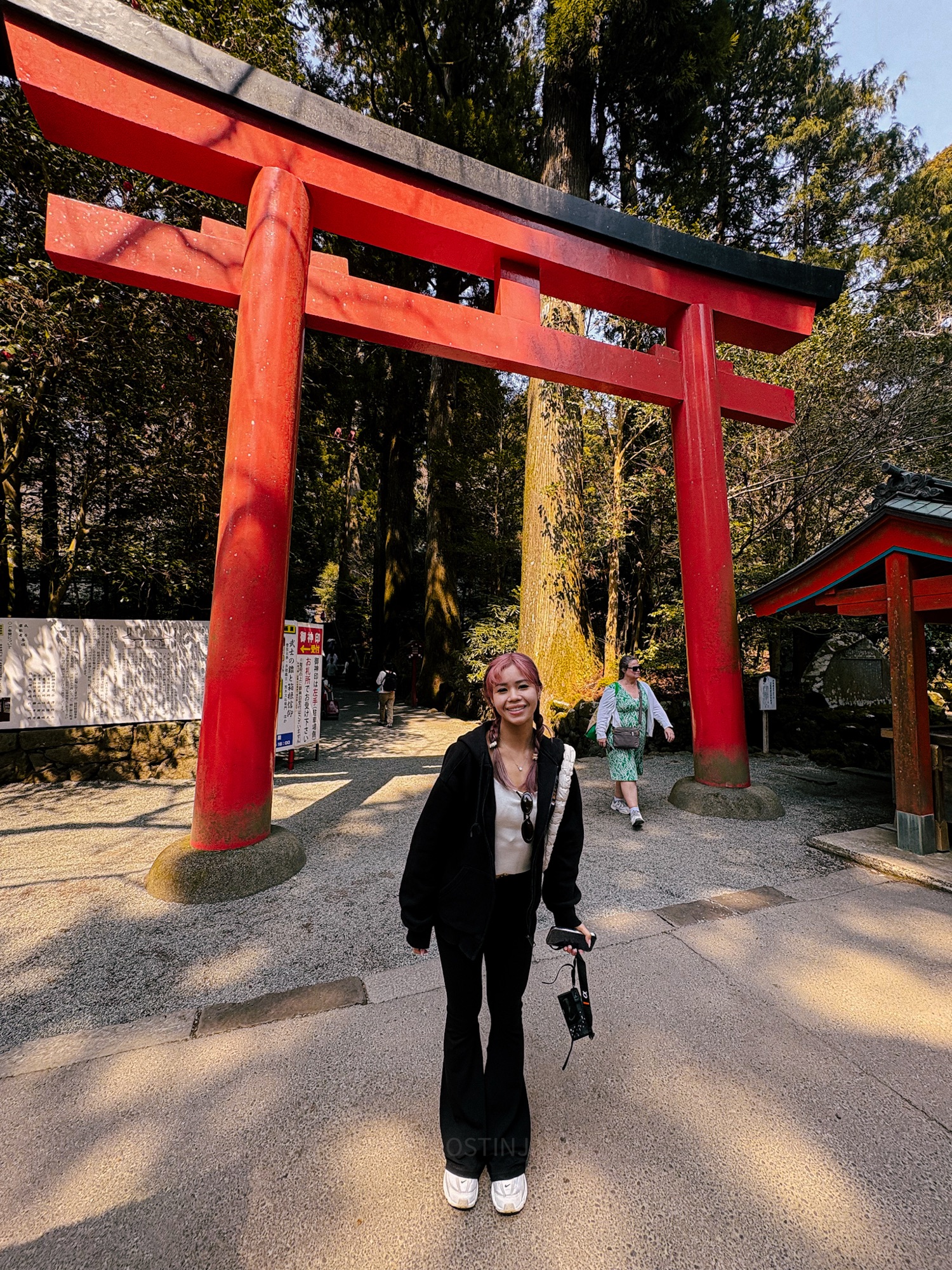
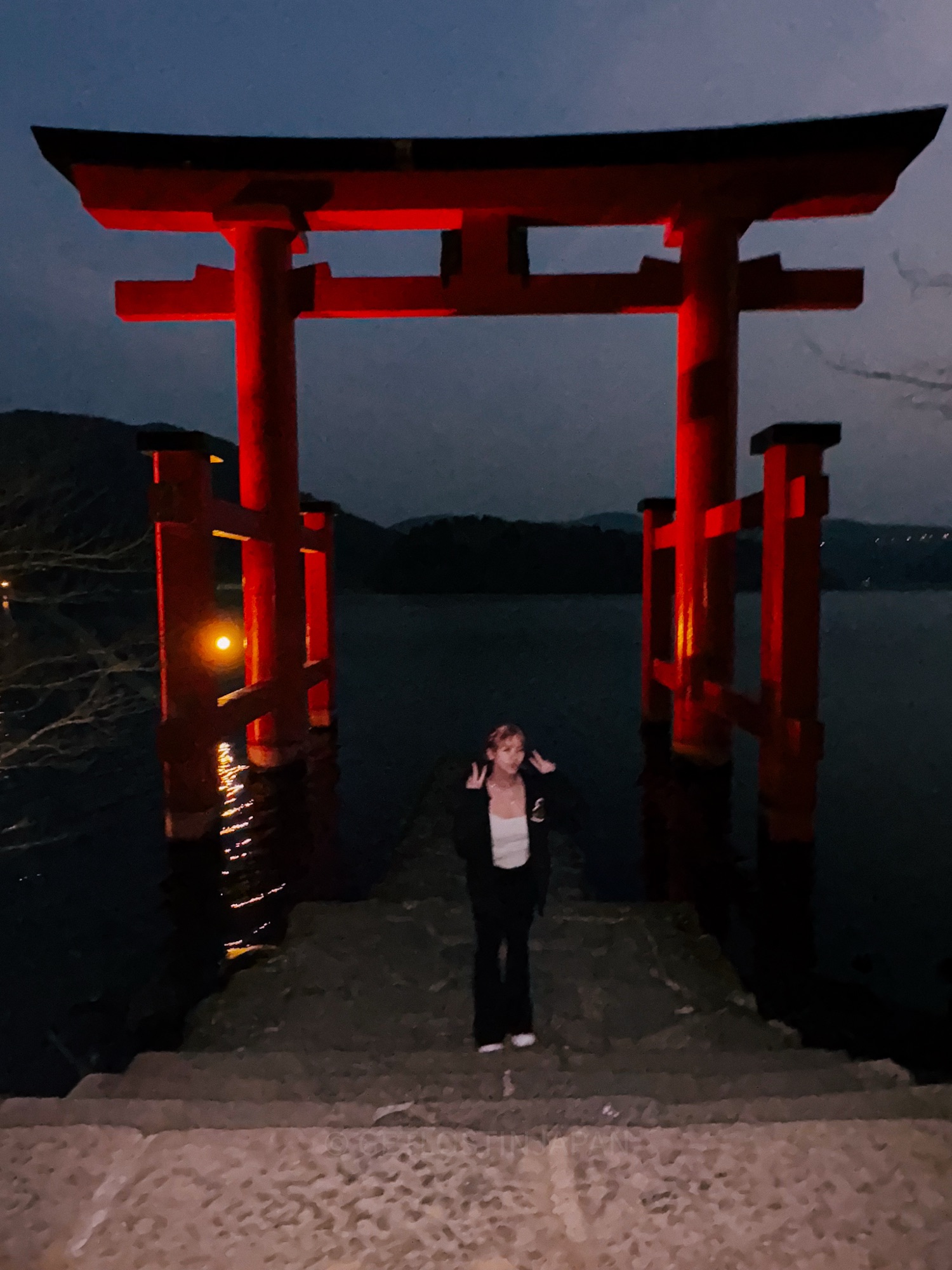
There are stone lanterns leading up to the main hall, as well as an intricate stone fountain shaped as dragon heads. It’s a serene place to visit, and we enjoyed spending around an hour there.
💡 Pro tip: If you want that picture perfect photo of the Peace torii, then I recommend arriving at 7 AM before the tour buses come or be ready to wait an additional hour.
Lake Ashi Pirate Ship Cruise
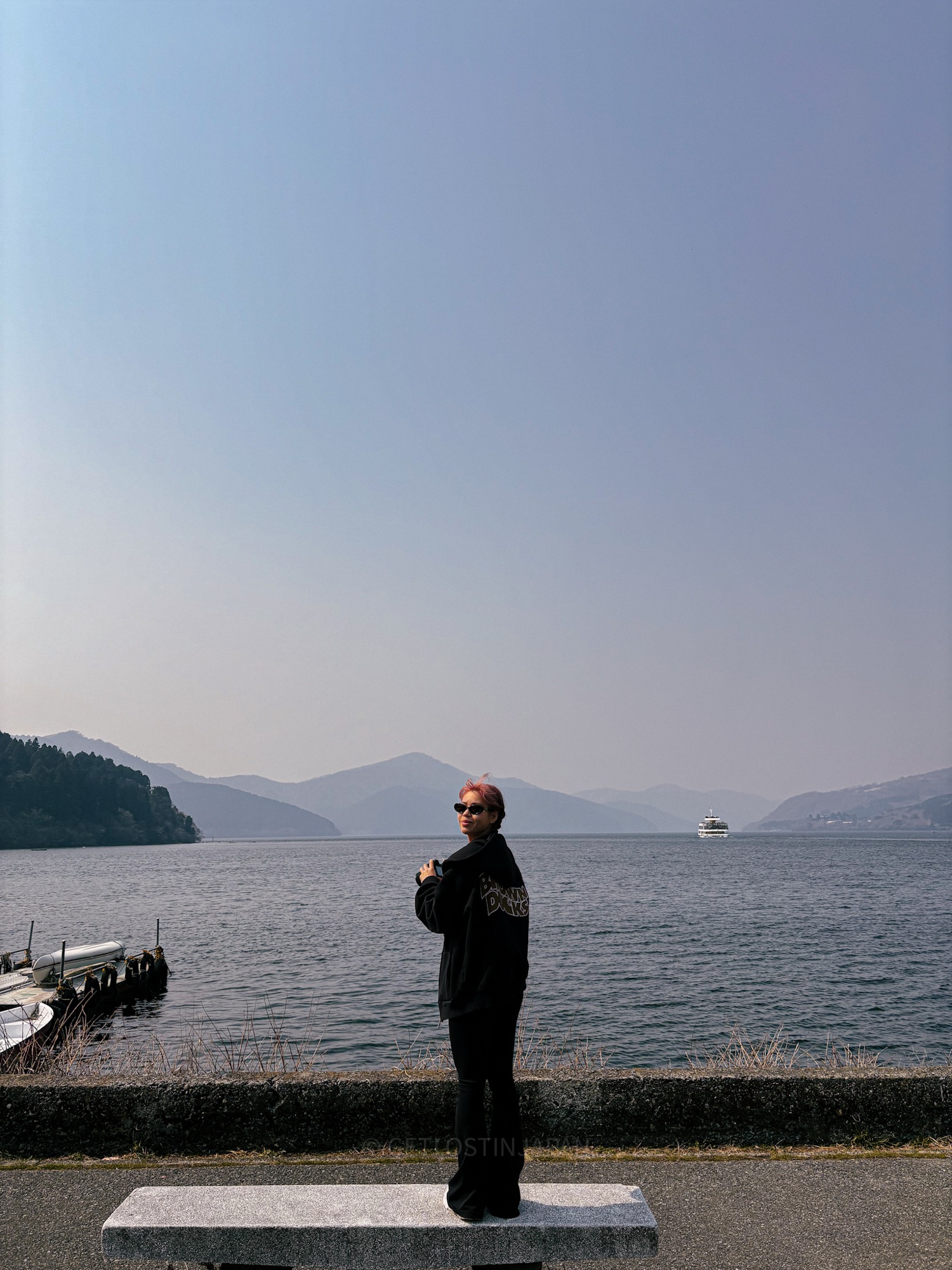
One of the biggest attractions in Hakone is a pirate ship cruise on Lake Ashi.
Now I’m sure you’re thinking, “Why?”, and while I agree with you that it is pretty random, well, why not? It’s a tourist attraction in the purest sense, but it’s still a fun and relaxing way to explore Hakone!

The ship connects Hakone-machi and Togendai, and on clear days you can spot Mount Fuji in the distance.
I didn’t take a ride on it, but as I saw it leave the dock in the distance, I have to admit I was a little jealous of all those pirates aboard. It’s included in the Hakone Freepass, so if you’re a pass holder it’s worth hopping on just for the views and fresh mountain air.
Hakone Checkpoint & Detached Palace
If you’re a history lover, you may want to check out the Hakone Checkpoint, a carefully reconstructed gate from the Edo-period.
Back in the samurai era, this was a major inspection point for travelers moving through Tokyo and Kyoto on the Old Tokaido Road.
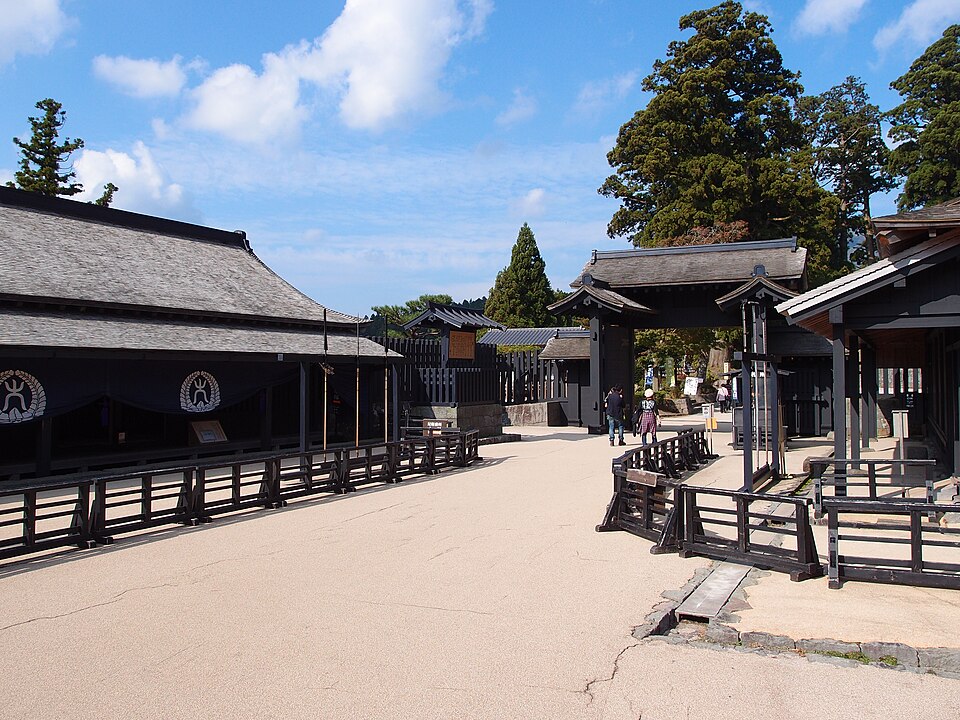
Today, you can walk through the wooden gates, peek into the guardhouse and small prison, and climb the lookout tower for sweeping views over Lake Ashi.
Additionally, you can also visit the Hakone Detached Palace located nearby, which used to be the Imperial Family’s summer retreat.
Old Tokaido Trail (Historic Walk)
If you enjoy nature, then take a stroll along the Old Tokaido Trail that was once part of the main route connecting Tokyo and Kyoto. Travelers used it hundreds of years ago, so it feels like you’re taking a step through history.
The path is paved with old stones and lined with towering cedar trees for a calm, peaceful stroll.
After visiting Hakone shrine, you can head on the Old Tokaido road from Moto-Hakone to Hakone-machi. This path passes by the Amazake Tea House, one of the oldest rest stops in Japan.
Food & Culture
Hakone Amazake Tea House
The Hakone Amazake Chaya is an ancient teahouse that has been operating for over 400 years! This teahouse served travelers walking along the Old Tokaido Road, and has so much historical significance.
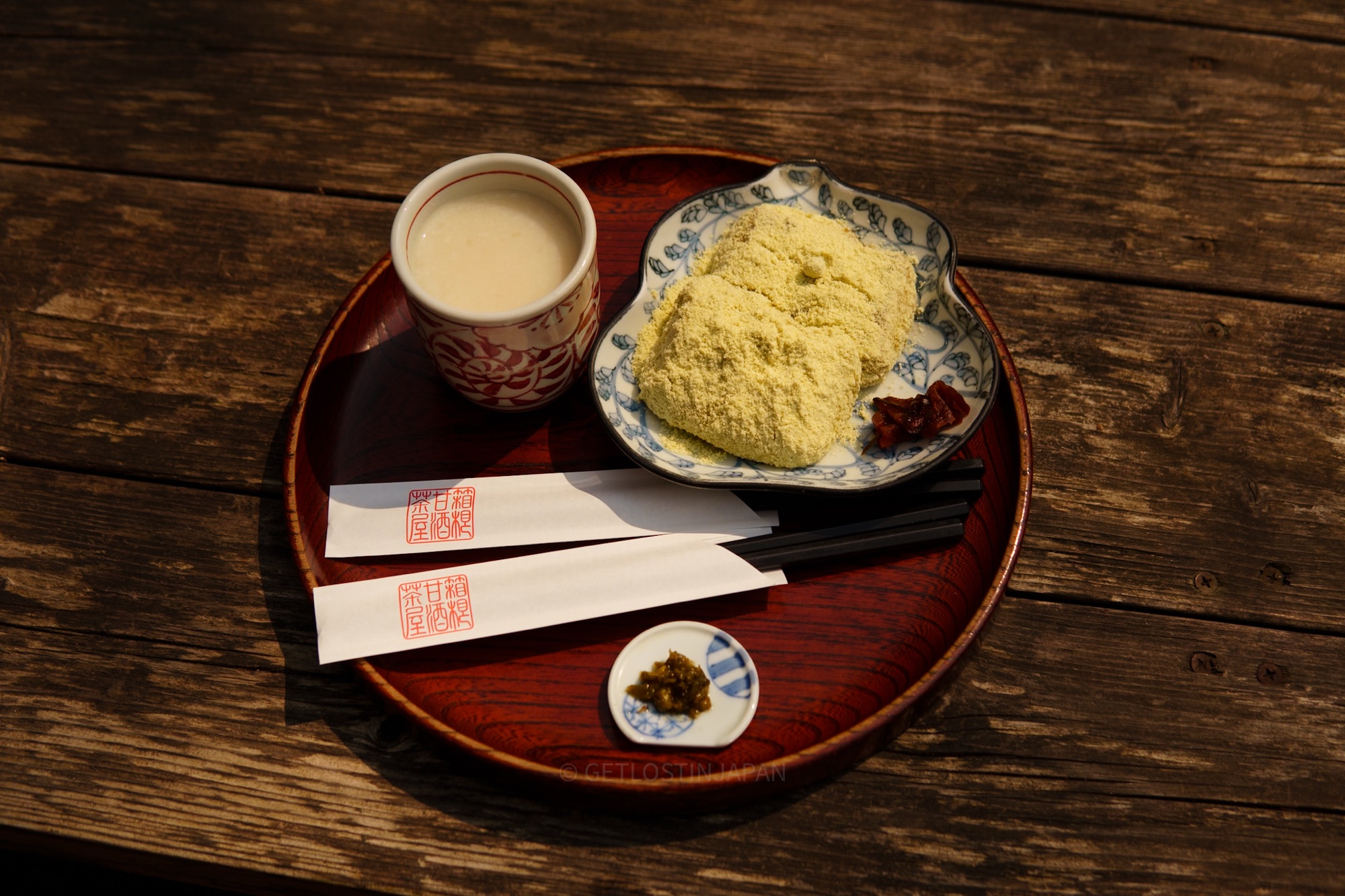
The tea house serves amazake, a non-alcoholic, warm, slightly sweet drink made from fermented rice. We ordered amazake along with fresh mochi rice cakes and enjoyed it for a snack after stopping by Hakone Shrine. In total it cost us ¥500 for the amazake and ¥600 for the chikara mochi.
The interior features wooden beams darkened from centuries of smoke. I recommend sitting outside to enjoy the amazake among the cedar trees. The interior is extremely smoky from charcoal.
Hatsuhana Soba
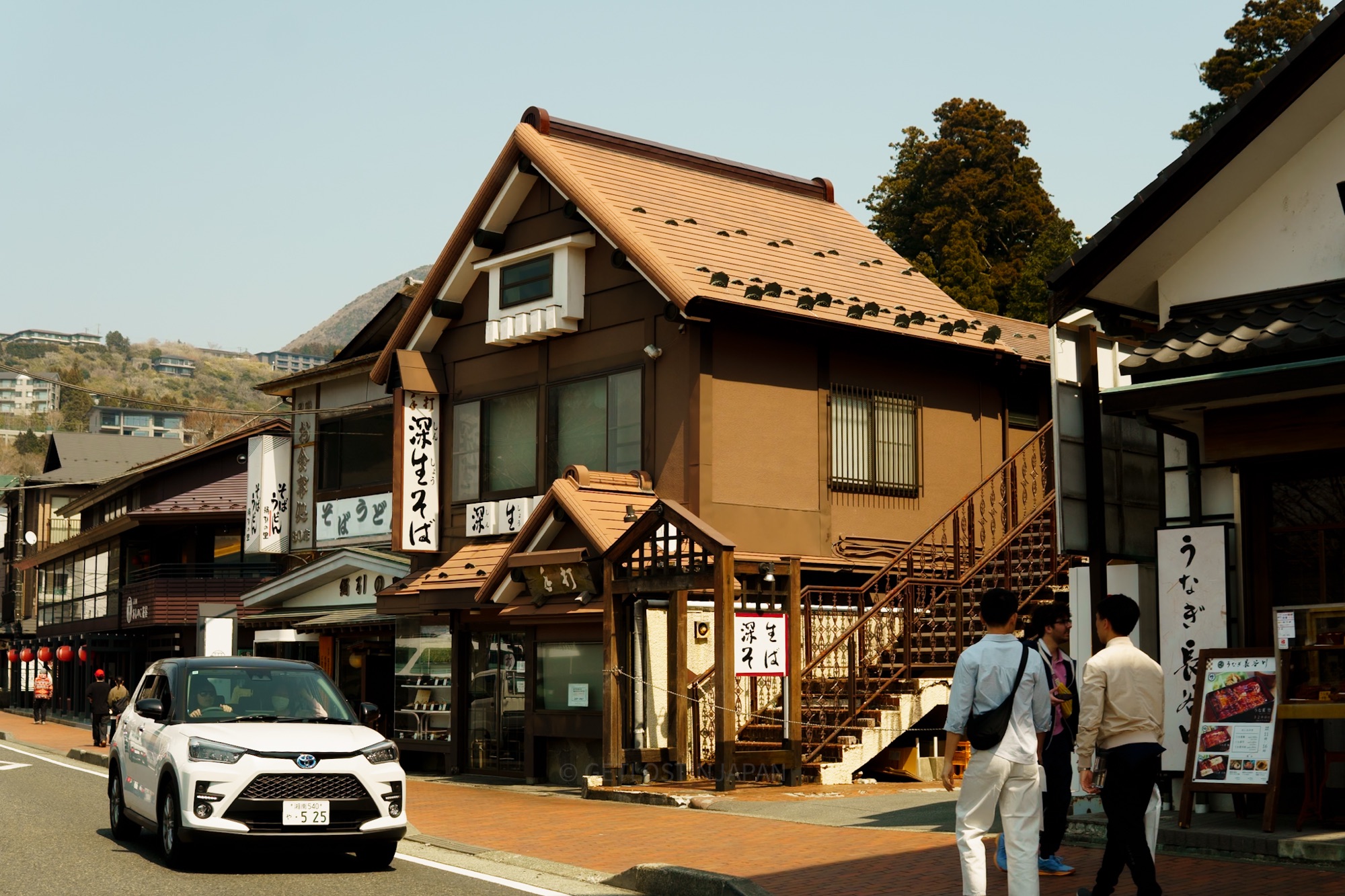
With origins from 1934, this authentic soba shop is located in Hakone-Yumoto and specializes in natural farming yam soba, which is made with buckwheat flour, yams, and local eggs, without a drop of water! Natural yam grows naturally in the mountains, and used to be dug up by hand one by one.
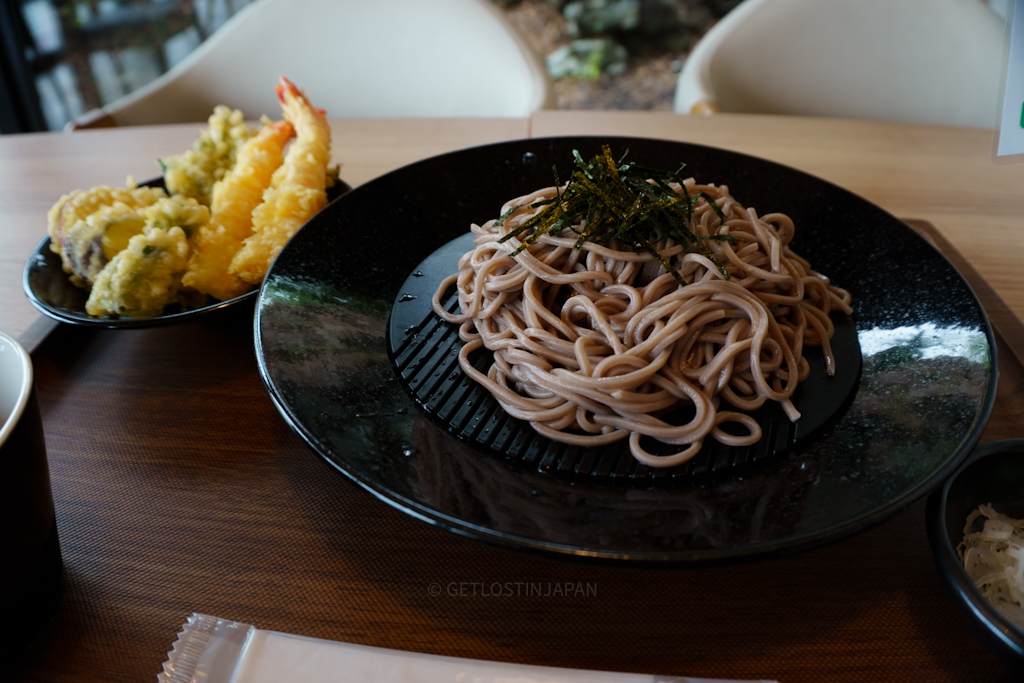
With a decade shy of 100 years of history in this quaint, peaceful restaurant, eating here feels like you’re experiencing Japanese culture and traditions first hand.
💡 Pro tip: I recommend trying their seiro-soba with buckwheat noodles and grated natural yam. It’s one of their most popular dishes.
Owakudani’s black eggs
Owakudani Hot Spring is one of Hakone’s most popular attractions! This volcanic valley is famous for its black eggs, or kuro-tamago. These eggs are boiled in the naturally sulfuric hot springs, turning their shells black.
The valley has a ton of black egg inspired snacks and souvenirs that you can’t find anywhere else. The legends state that eating a black egg will extend your life by 7 years, so we obviously had to buy a pack of black eggs while we were there. It’s ¥500 for two, and guess what? They tasted like regular ol’ eggs.
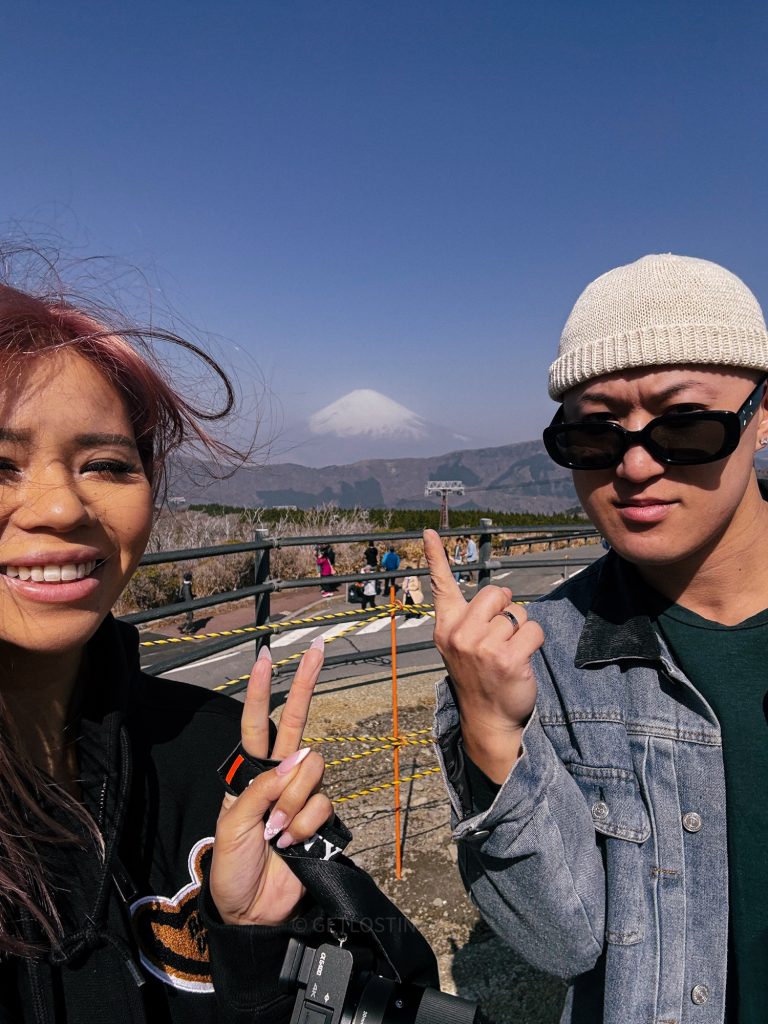

You can get a pretty good view of Mt Fuji from here, but it was so windy at the top all our pictures turned out funny. This is also one of the places you can ride the Hakone Ropeway to, but if it’s especially windy they may close the access until the weather improves.
Art & Relaxation
Hakone Open-Air Museum
The Hakone Open-Air Museum is one of the best museums in Hakone! The majority of the museum is all outdoors, set in a huge garden overlooking the mountains.
We loved strolling through the park and seeing all the unique creations here. There are a ton of massive outdoor sculptures as well as some indoor exhibitions. They also have a massive Picasso collection that’s one of a kind.
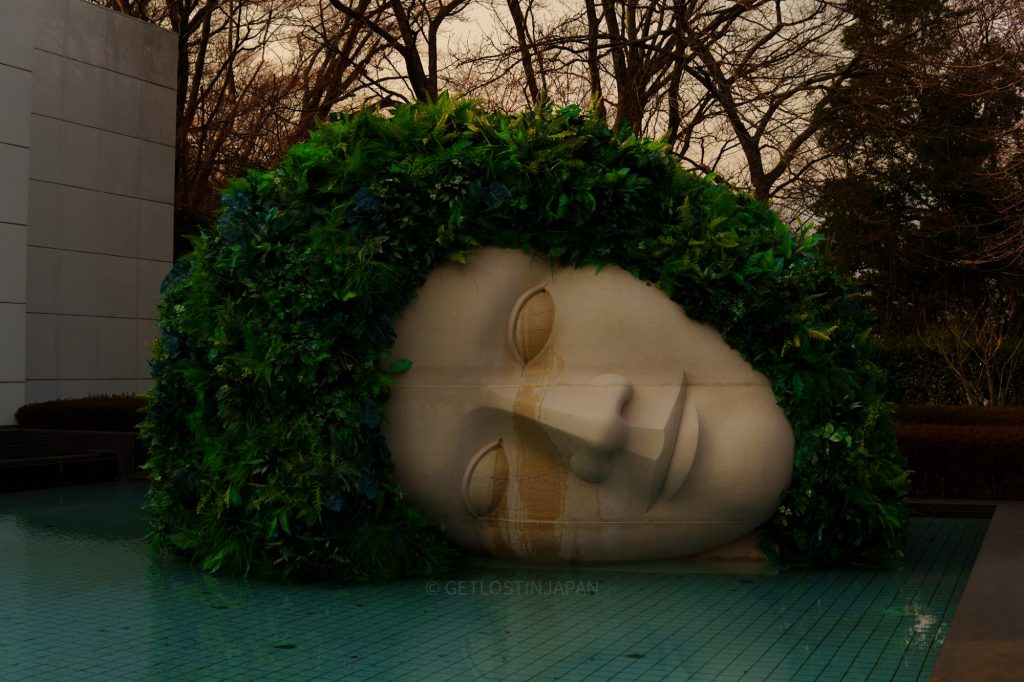
We loved it because it felt like a good mix of outdoor nature and art. My personal favorite exhibit was the symphonic sculpture, a tower made entirely of stained glass with an ascending spiral staircase.
It’s also family friendly with a kids only sculpture area and a foot bath with a beautiful view of the valley. Overall, it’s a cool and unique museum and definitely worth a visit.
POLA Museum
The POLA Museum is another of Hakone’s popular museums. If you like European, modern, and impressionist art, then you’ll enjoy a visit here. It’s also all indoors, so it’s great for a rainy day or during the wintertime.
The POLA Museum of Art is also located in the Gora area along with the Hakone Open Air Museum and the Venetian Glass Museum, so you can see a lot of different attractions while you’re in the area.
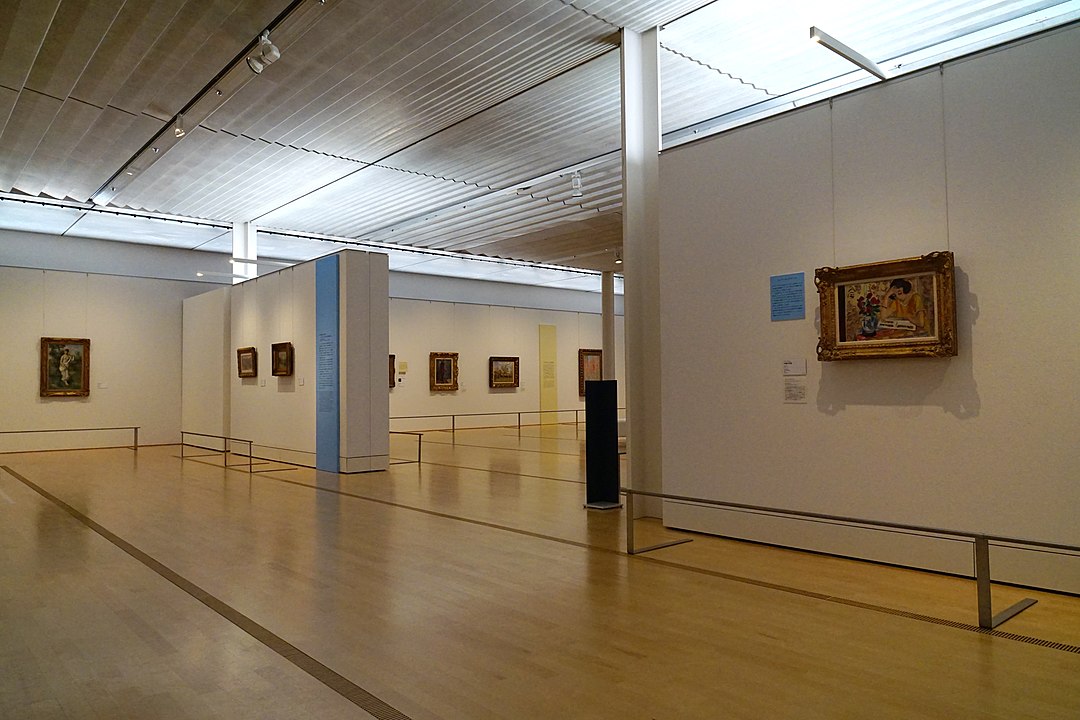
Tickets are ¥2,200 ($14.40 USD), and feature prominent European artists like Van Gogh, Monet, and Renoir.
Soak in an onsen
Hakone has tons of natural hot spring options that you can try, whether you’re planning to stay overnight at a ryokan or want to use a day use onsen.
Private Day Use Onsen at Hakone Yuryo
We chose to visit Hakone Yuryo, a day use onsen that features private baths, and loved our experience! There are three types of private onsen you can choose from, ranging from ¥9,400 to ¥13,400. We opted for the middle option at ¥11,400, and got a large open air onsen surrounded by lush forest trees.
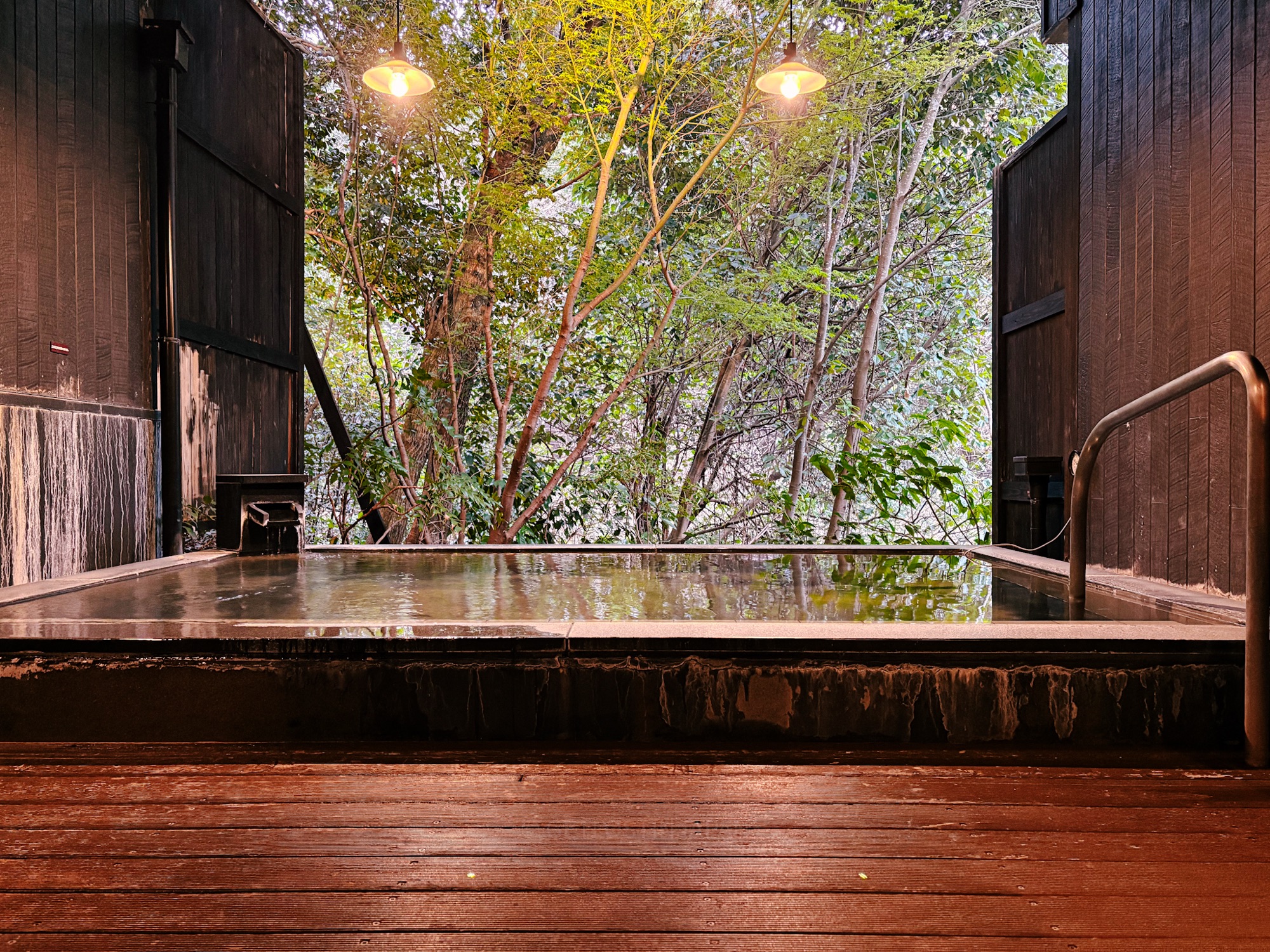
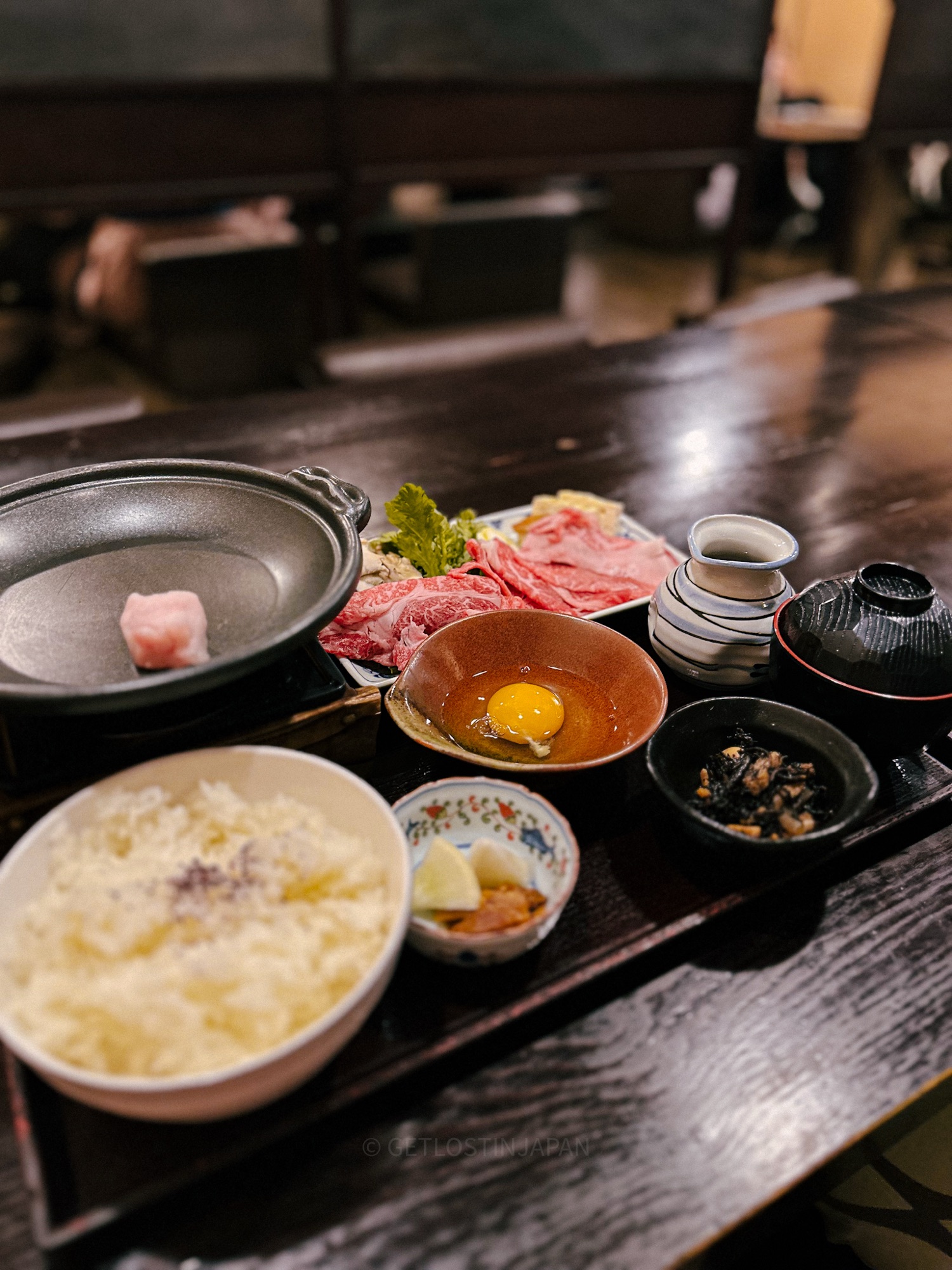
Afterwards, we ate at their adjacent restaurant and got an amazing sukiyaki dinner. It was an incredible experience and a great option if you are looking for a cheaper alternative to staying in a ryokan.
Tattoo-Friendly Tenzan Onsen
Another day use option is Tenzan Onsen, a traditional riverside bathhouse that is popular for being tattoo-friendly, but only for solo visitors. I guess the website says that if you’re a duo with tattoos, it’s not allowed? I think they won’t mind though…
A day use pass is ¥1,450, or ¥1350 if you have the Hakone FreePass. If you’re a solo traveler looking to experience a local public onsen, definitely check them out.
Hakone Venetian Glass Museum (Glass no Mori)
The Hakone Venetian Glass Museum is a beautiful European museum that features Venetian glass artworks in both an indoor section and an outdoor garden.
The gardens are STUNNING on a sunny day, because the glass captures the light just right and sparkles like you can’t imagine. There are glass wisterias, hydrangeas, and more. It’s magical and so worth paying a visit.
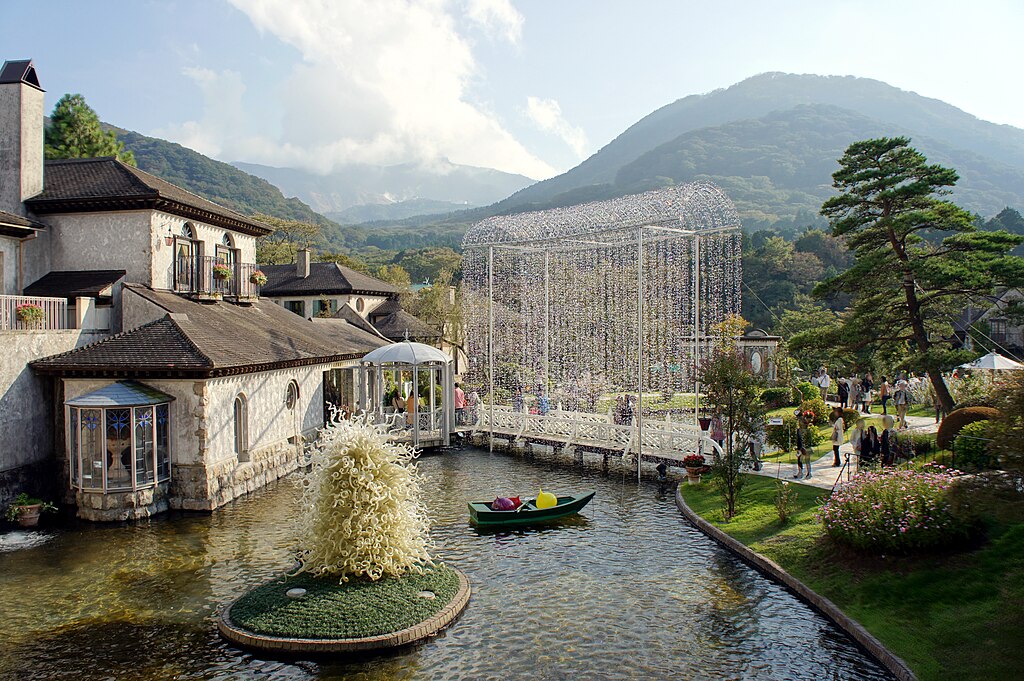
Additionally, there’s a cafe indoors, and musicians frequently hold concerts indoors. It’s romantic, fun, and very aesthetic.
💡 Seasonal tip: during winter, the museum decorates with glass “icicles” that look magical at sunset.
Shopping & Unique Spots
Gotemba Premium Outlets
Shopping at Gotemba Outlets is another must-do that I recommend if you enjoy shopping.
This outdoor outlet mall consists of 3 different levels, 300 stores, tons of restaurants, and even a hot spring. I spent 3 hours here but honestly could have spent the whole day. There are so many trending Japanese brands like Onitsuka Tiger, Moussy, BEAMS, and more offered at crazy discounts. Not to mention that you get a stunning view of Mount Fuji as you walk around and shop!

It is a little far from Hakone, so it’s best if you rent a car or hire a private driver if you’re not visiting on a guided tour.
💡 Pro tip: Don’t forget to bring your passport for tax-free shopping.
Mishima Skywalk
Located around 15 minutes from the Hakone Checkpoint, Mishima Skywalk is Japan’s longest pedestrian suspension bridge.
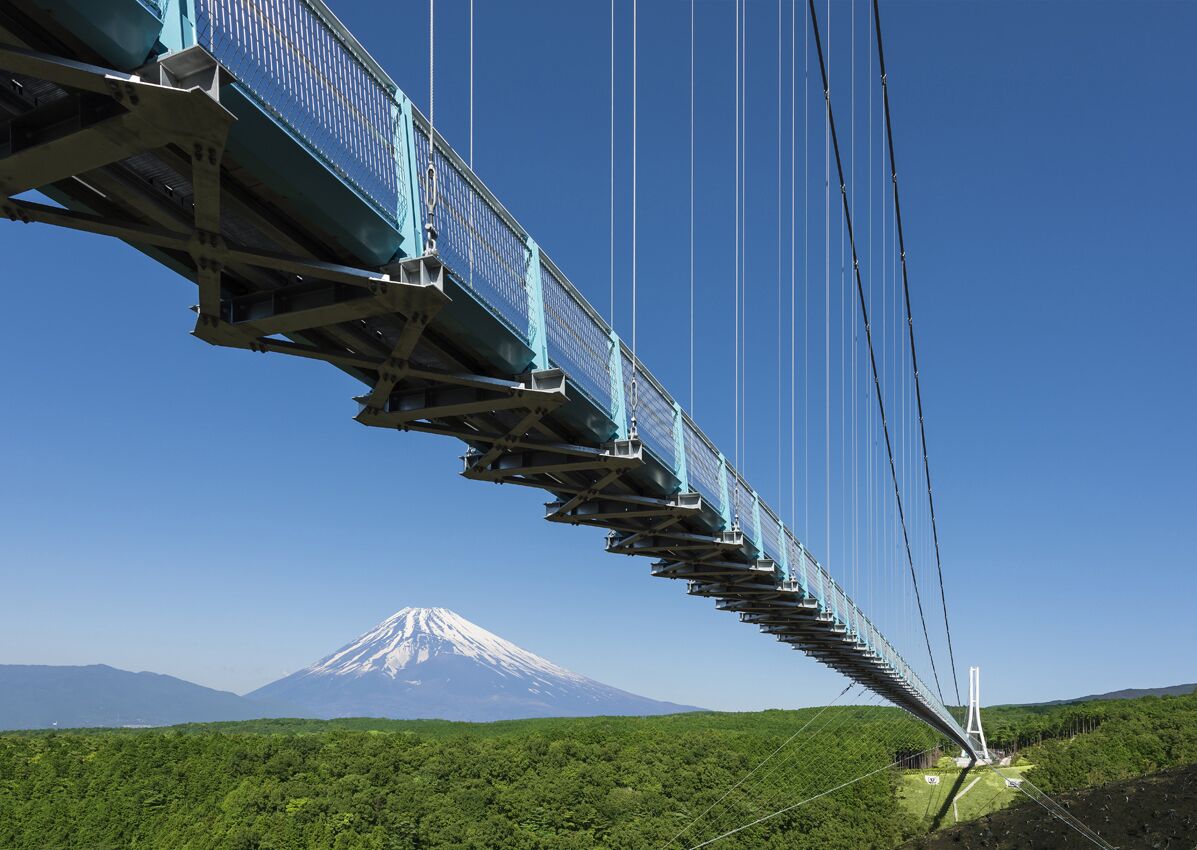
This beautiful sightseeing spot stretches across a deep valley and offers panoramic views of Mount Fuji and Suruga Bay. There’s also a zipliner, cafe, and restaurant near the bridge.
I don’t think I could ever manage to walk along it because I’m scared of heights, but the scenery is beautiful, especially around 9 in the morning when the skies are clear.
Where to Stay in Hakone
There are two main areas to stay in Hakone: Yumoto and Gora.
We stayed in Yumoto, which is next to the main station and has more restaurant options.
Gora is where most of the museums are located, as well as the Ropeway and cable car, but it takes an extra transfer to get here from Hakone Yumoto.
Both areas have some amazing ryokan options, so you can’t really go wrong with staying in either place.
💡 Pro tip if you are driving: there is one steep turn in Yumoto that is tricky in a box car. Route the other way to avoid it.
Luxury: The Fujiya Hotel (Hakone-Yumoto)
The Fujiya Hotel is one of Japan’s most historic properties, and THE nicest hotel I saw while driving around Hakone. It was so beautiful that I couldn’t help but save it in hopes of staying here next time!
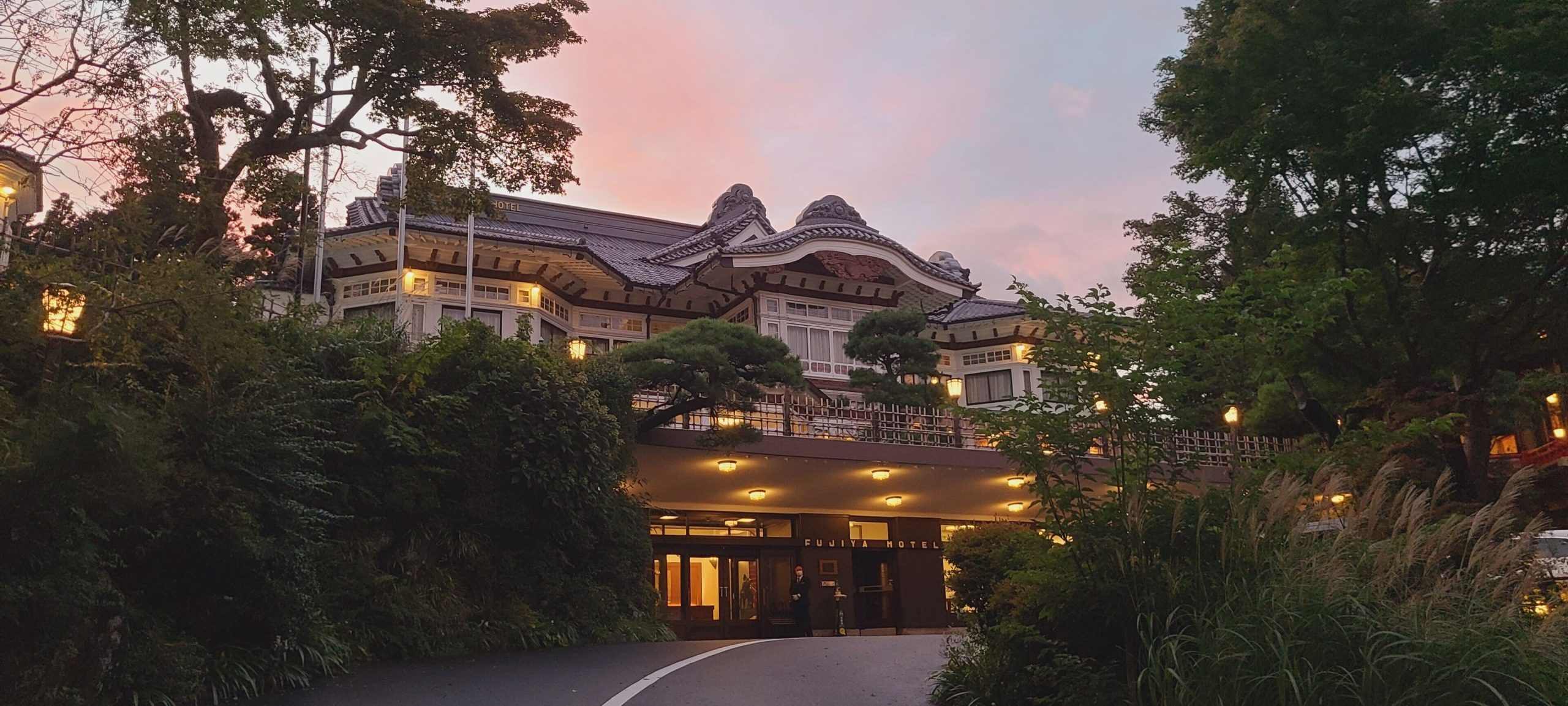
Photo Credit: Expedia
Operating since 1878, Fujiya Hotel blends Western architecture with classic Japanese culture, featuring landscaped gardens and traditional onsen, alongside a picturesque mountain backdrop.
Staying here feels so unique and one-of-a-kind. It’s perfect for couples or anyone who wants a peaceful, high-end experience in one of Japan’s most special hotels.
Mid-range: Masutomi Ryokan (Hakone-Yumoto)
Masutomi Ryokan is a highly rated traditional ryokan just a 7-minute walk from Hakone-Yumoto Station, with a scenic view of the Haya River flowing in front.
The standout features of this ryokan are their private rooftop onsen as well as an amazing kaiseki dinner, and they’re affordably priced. This is a great option to enjoy Mt Fuji and have a classic ryokan experience without paying $400-$500 USD a night.
Guests love the amazing hosts who are hospitable and kind, and fluent in English!
Budget — K’s House Hakone (Hakone-Yumoto)
I personally stayed at K’s House and thought it was a terrific value! We booked a double room in a dormitory for $42/night ($21 per person).
K’s House Hakone is akin to what you would expect from a classic hostel. There are a lot of foreign travelers, but they were all very nice and quiet.
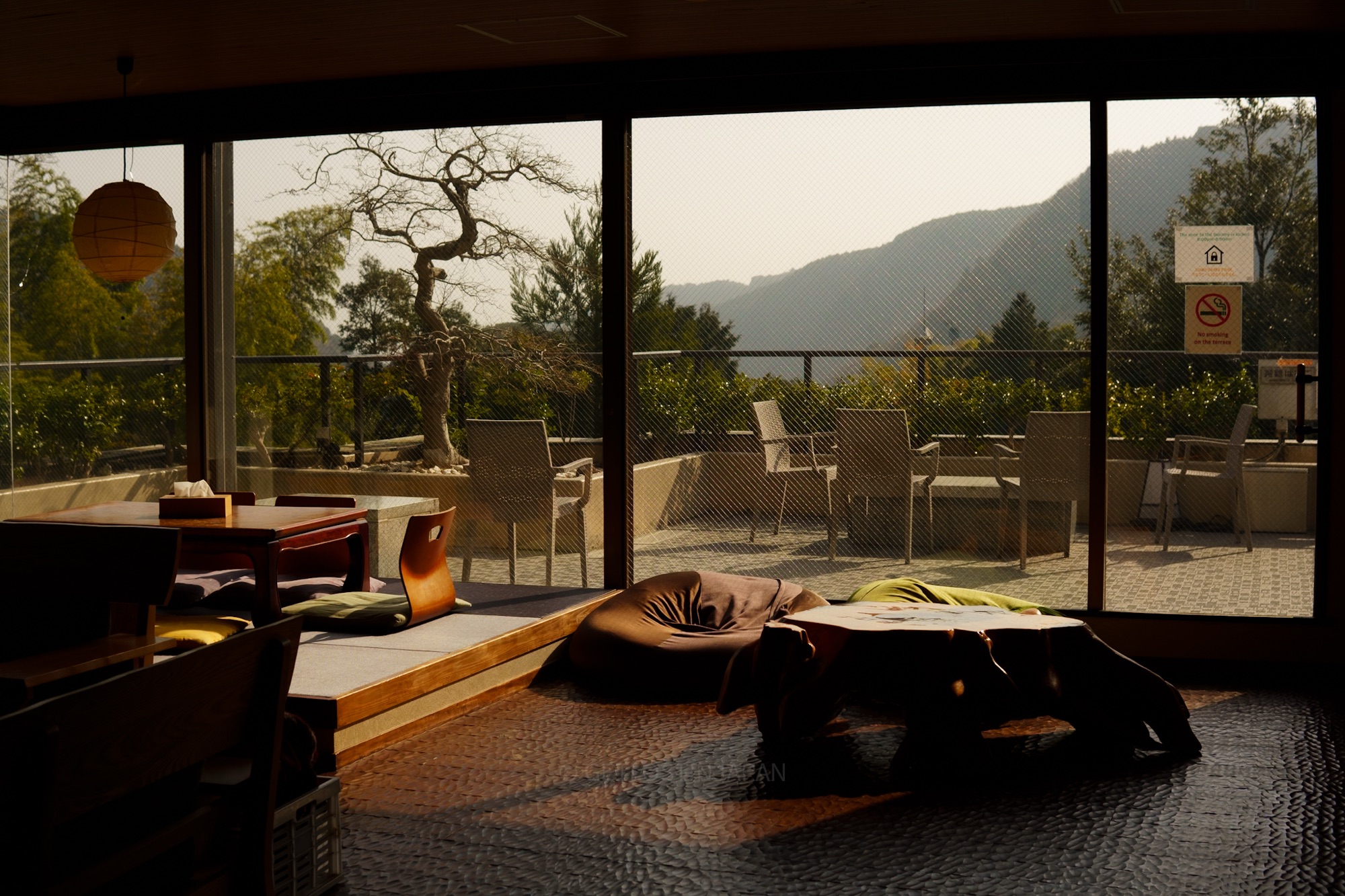
It’s clean, the workers are kind, and it’s so affordable.
We got free earplugs and towels, and you can also rent a yukata. There are also two onsen separated by gender, so you can experience a public onsen here.
Overall, K’s House is perfect for solo travelers and couples who want to save money while exploring Hakone!
Book ahead or regret it later
Hakone hotels and ryokans book up fast, especially on weekends and holidays.
Try to reserve your stay 3–6 months in advance so you’re not struggling to choose a decent accommodation later.
Additionally, there are some great day use onsen here in case you want to experience soaking in a hot spring but are on a budget or are not staying in a ryokan that has an onsen.
How Long to Stay in Hakone and the costs
How Much Time to Spend in Hakone
Hakone Day Trip
Hakone and Kawaguchiko are two of the most popular day trips from Tokyo! If you only have 4 days to spend in Tokyo, then a day trip makes sense. While a car is recommended, you can still visit without a car and see the highlights.
The Hakone Loop is pretty well structured, so you can get by using public transportation. Just make sure you buy the Hakone FreePass.
It takes about 1.5-2.5 hours to get to Hakone, depending on what mode of transportation you take and where you start your day.
The most convenient way to see all the Hakone things to do will be with a guided tour or private driver, but a self tour shouldn’t be too hard as long as you get to Hakone early, because things close around 4:30-5 PM.
1 Day in Hakone (Overnight Stay)
If you can stay overnight in Hakone, you should! There’s a lot to do and see here, and with an overnight stay you can experience an authentic ryokan with breakfast and dinner.
You’ll also feel less pressured to try to see everything in one day, as you’ll also have the following morning to see any attractions that you may have missed.
2 Days in Hakone
I spent 2 days in Hakone and think it’s the perfect amount of time. We got to see all the highlights, and it never felt rushed. You get to explore without the pressure of making the last train back to Tokyo, plus you get to wander around the peaceful town once all the day trippers have left.
We rented a car because we planned to drive to Kawaguchiko after, and Kawaguchiko isn’t as accessible through public transportation. If you plan to stay in the area for 2-3 days, then I recommend renting a car for flexibility and maximum convenience. It’s super fun to explore the roads!
To see exactly how we structured two days in Hakone, you can click here for my full itinerary. Overall, staying 2 days in Hakone would be my recommendation!
Is Hakone Overrated? Pros and Cons
Pros:
- Close to Tokyo, easy transportation
- Lots of tours from Tokyo to Hakone
- Variety: nature, art, food, hot springs
- Romantic, aesthetic, and peaceful
- Great for a weekend trip or overnight stay
- Authentic onsen experience
Cons:
- Early closing hours for restaurants and attractions
- Cloudy weather hides Mt Fuji
- Slightly touristy
- Can be pricey
Overall, while Hakone can feel touristy to a degree, it’s natural beauty and multiple attractions make it worth visiting.
How much does it cost to visit Hakone?
Let’s break it down.
I paid $40 per night for our double bed in a hostel, so $20 per night split between two people. If you stay in a ryokan, it would be around $400 per night, so $200 if you’re traveling with someone.
The average cost of things:
- Hotel: $20-$400 USD (¥4,000-¥61,000)
- Food: $15-$30 USD/meal (¥2,000-¥4,000)
- 2-Day Hakone FreePass: $43 USD (¥6,100) vs Car $57 USD (¥8,700)
- Day Use onsen: $9-$61 USD (¥1,350-¥9,400)
So a trip to Hakone could cost anywhere between $122-$482 USD (or ¥18,000-¥74,000), depending on where you stay. This includes transportation, accommodation, and food.

If you’re using public transit, the Hakone Freepass is worth buying since it covers most of the trains, buses, and boats for around ¥6,000.
Meals average $15-$30 USD (¥2,000-4,000) per person. Staying in a ryokan with dinner and breakfast will be more, but then you have dinner and breakfast covered.
Is Hakone Worth Visiting FAQs
Final Thoughts: Is Hakone Worth Visiting?
For me, Hakone was completely worth visiting. Even though I didn’t get a good view of Mt Fuji during my visit, I still fell in love with the town.
Between soaking in the onsen, snacking at a centuries old tea house, and wandering art museums surrounded by mountains, Hakone has this calm, small town atmosphere that feels worlds away from Tokyo.
It’s a special place, and even the random pirate ship doesn’t take away from the magic.
If you want to know how to structure your trip, check out my 2 day Hakone itinerary next! I also recommend making it a 2-3 day trip and continuing onto Kawaguchiko next.
If you need any help with your trip, feel free to email me at audrey@getlostinjapan.com or dropping a comment below! Let me know what your favorite part of Hakone was, and if you thought it was worth it!
Related Posts