
The Best 5 Day Kyoto Itinerary - Plan a Practical Trip
Last Updated on August 25, 2026 by Audrey
Don't know where to start planning your 5 day Kyoto Itinerary?

Kyoto is one of my favorite cities in Japan. It was Japan’s capital for over 1,000 years, so there’s an incredible amount of history and culture here. With its relaxing rivers and quiet temples, it somehow feels a little slower than Tokyo or Osaka, which makes it a perfect breath of fresh air in the middle of a Japan trip.
I’ve visited Kyoto four times now, and yet I still fall in love with it and find new things to explore every time.
If you have 5 days in Kyoto, you have the perfect amount of time to see the major sights while still leaving room to get lost along the historic streets that geishas have walked for generations.
This 5 day Kyoto itinerary includes some of my personal favorite places in the city, including Fushimi Inari, Kiyomizu-dera, Arashiyama, Gion, and Nishiki Market, as well as a full day trip to either Nara or Uji.
Kyoto is huge, and you don't want to get overwhelmed. Let's dive in!

5 Day Kyoto Itinerary at a Glance
1️⃣ Day 1: Arrive in Kyoto, Nijo Castle + Gion
2️⃣ Day 2: Arashiyama + Hozugawa River Boat Ride
3️⃣ Day 3: Fushimi Inari + Nishiki Market
4️⃣ Day 4: Kiyomizu-dera + Higashiyama
5️⃣ Day 5: Day Trip to Uji or Nara
Free 5 Day Kyoto Itinerary Map
Before Your 5 Days in Kyoto
Here's some tips on how to get to Kyoto first.
How to Get to Kyoto
If you’re coming from Tokyo, the easiest way to get to Kyoto is by Shinkansen.
The ride takes around 2–2.5 hours depending on which train you take, and you’ll typically be riding the Nozomi, Hikari, or Kodama.
If this is your first time taking the Shinkansen, give yourself some extra time at the station.

Tokyo Station especially can be overwhelming, and finding the correct Shinkansen area, platform, and train car is not something I’d want to figure out while dragging my suitcase behind me with five minutes to spare.
I recommend arriving around 30–45 minutes early if you’re unfamiliar with the station. If you get lost, just ask one of the train station employees. They’re usually extremely helpful!
I also recommend grabbing food before boarding. I normally stop at a convenience store or one of the food shops inside the station and bring snacks or an ekiben onto the train.
Should You Use Japan’s Luggage Forwarding Service?
YES.
Especially if you’re traveling around Japan with a full-sized suitcase.
As your trip progresses and your luggage slowly starts gaining 20 pounds worth of souvenirs, dragging everything through massive train stations becomes increasingly painful.
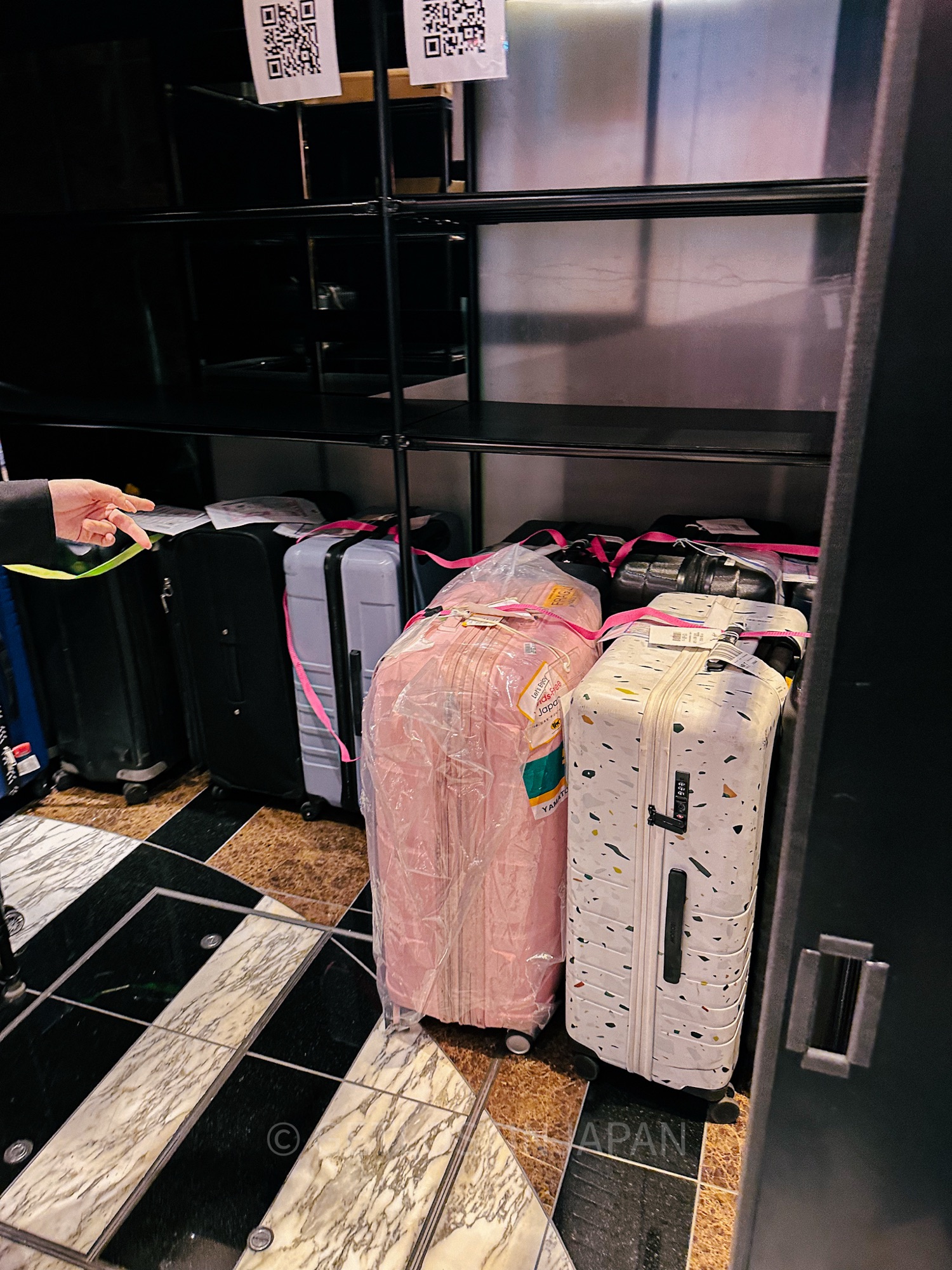
You can technically bring large luggage onto the Shinkansen, but you'll probably need to reserve a seat with oversized luggage space, which books up quick.
You could also put your suitcase in the overhead rack, but only if you're able to casually throw a full-sized suitcase over your head... For common mortals like myself, I prefer luggage forwarding.
Japan’s luggage delivery services allow you to ship your suitcase from one hotel to another so you can travel with just a smaller overnight bag.
It makes moving between cities SO much easier. For my full guide on how to use Japan’s luggage forwarding service, click here!
5 Days in Kyoto Itinerary
We'll begin with arriving in Kyoto and visiting Nijo Castle for the day. Then we'll gradually explore Gion, Arashiyama, Fushimi Inari, Kiyomizu-dera, and Higashiyama, ending with a day trip to either Uji or Nara.
Day 1 - Arrive in Kyoto & Explore Gion
Since today is mostly a travel day, I recommend just visiting one major attraction and keeping things light.
Arrive in Kyoto
If you’re coming from Tokyo, you’ll arrive at Kyoto Station after roughly 2–2.5 hours. Hopefully you used luggage forwarding and can immediately start exploring.
If you still have your luggage with you, you can drop your bags off at your hotel before you start exploring.
Most hotels will hold your luggage before check-in, although some budget hotels, hostels, and Airbnbs might not. If your accommodations don’t, then you should try to find a locker at Kyoto Station.
Lunch: Ramen at Honke Daiichi Asahi Honten
Before you head farther into the city, grab lunch around Kyoto Station.
There are tons of good restaurants inside the station itself, but if you’re willing to walk a few minutes, try Honke Daiichi Asahi Honten, ranked #1 in Kyoto!

This extremely popular ramen shop serves Kyoto-style ramen made with locally sourced ingredients, including soy sauce from Fushimi.
It’s very well known, which unfortunately means there can also be a VERY long line. Good thing our afternoon is relatively flexible.
Afternoon: Nijo Castle
After lunch, let’s head to Nijo Castle (二条城, Nijōjō).
Nijo Castle was built in 1603 and served as the Kyoto residence of the Tokugawa shogunate during the Edo Period.
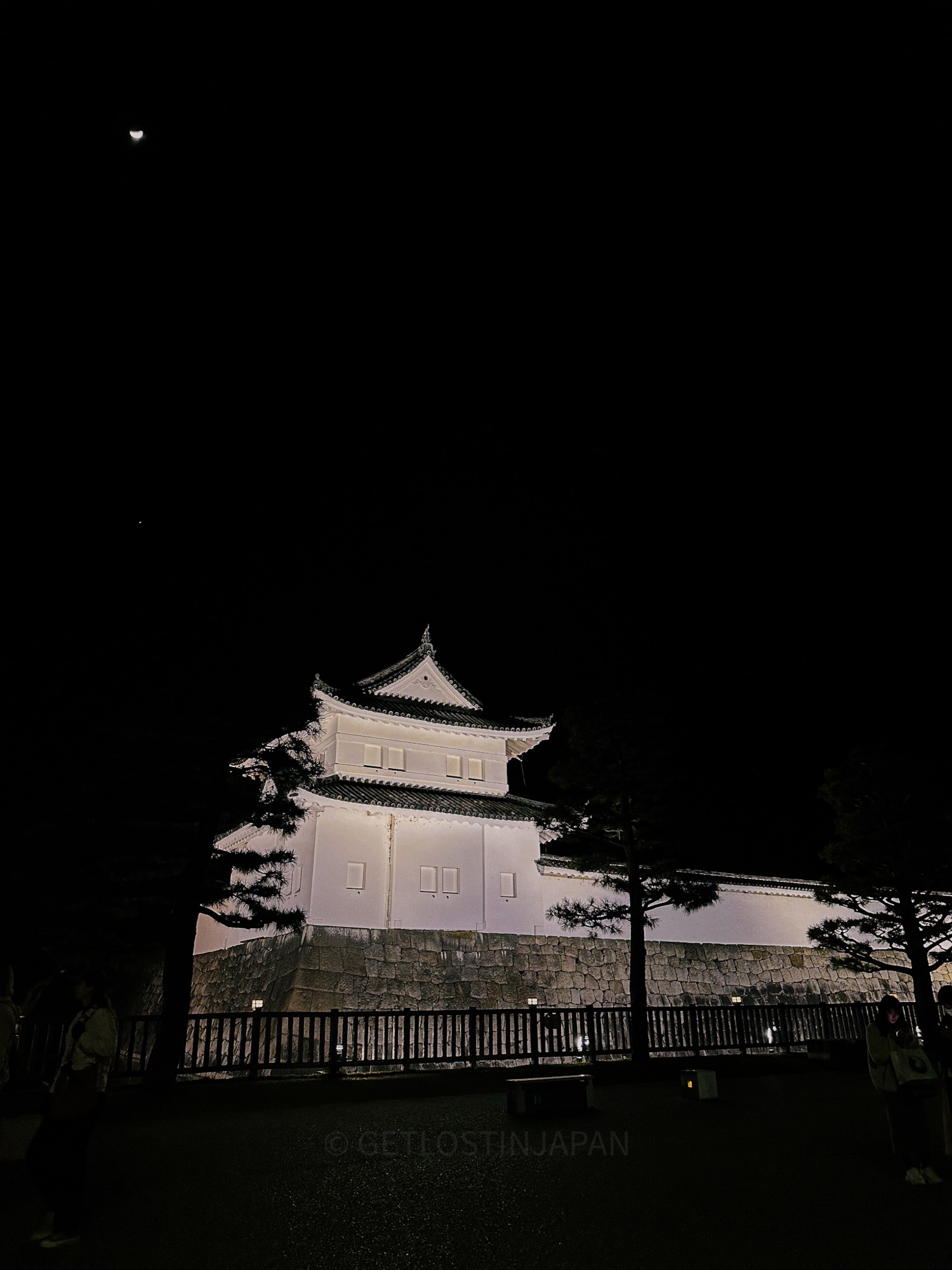
Today, it’s one of Kyoto’s UNESCO World Heritage Sites and one of the best places in the city to learn about the shogunate era.
You’ll find beautiful gardens and the historically rich architecture and interiors of Honmaru and Ninomaru Palace. Keep in mind that it’s an extra fee to go into the Palace buildings, 500 yen for Ninomaru and 1,000 yen for Honmaru, but it’s well worth it! Honmaru was recently renovated in 2024 and had the artwork inside restored beautifully.
Also, if you’re like me and enjoy learning about the historical side of these buildings, you can also book a tour that includes Nijo Castle and Kyoto Imperial Palace.
🏯 Book your tour to Nijo Castle and Kyoto Imperial Palace! 🏯
Evening: Gion District Geisha Tour
Take the rest of the day exploring Gion (祇園), Kyoto’s most famous geisha district. We took a 3-hour walking tour and it was one of our favorite things that we did on the trip. We were able to learn about geisha history and culture, and even spotted a geisha on her way to work!
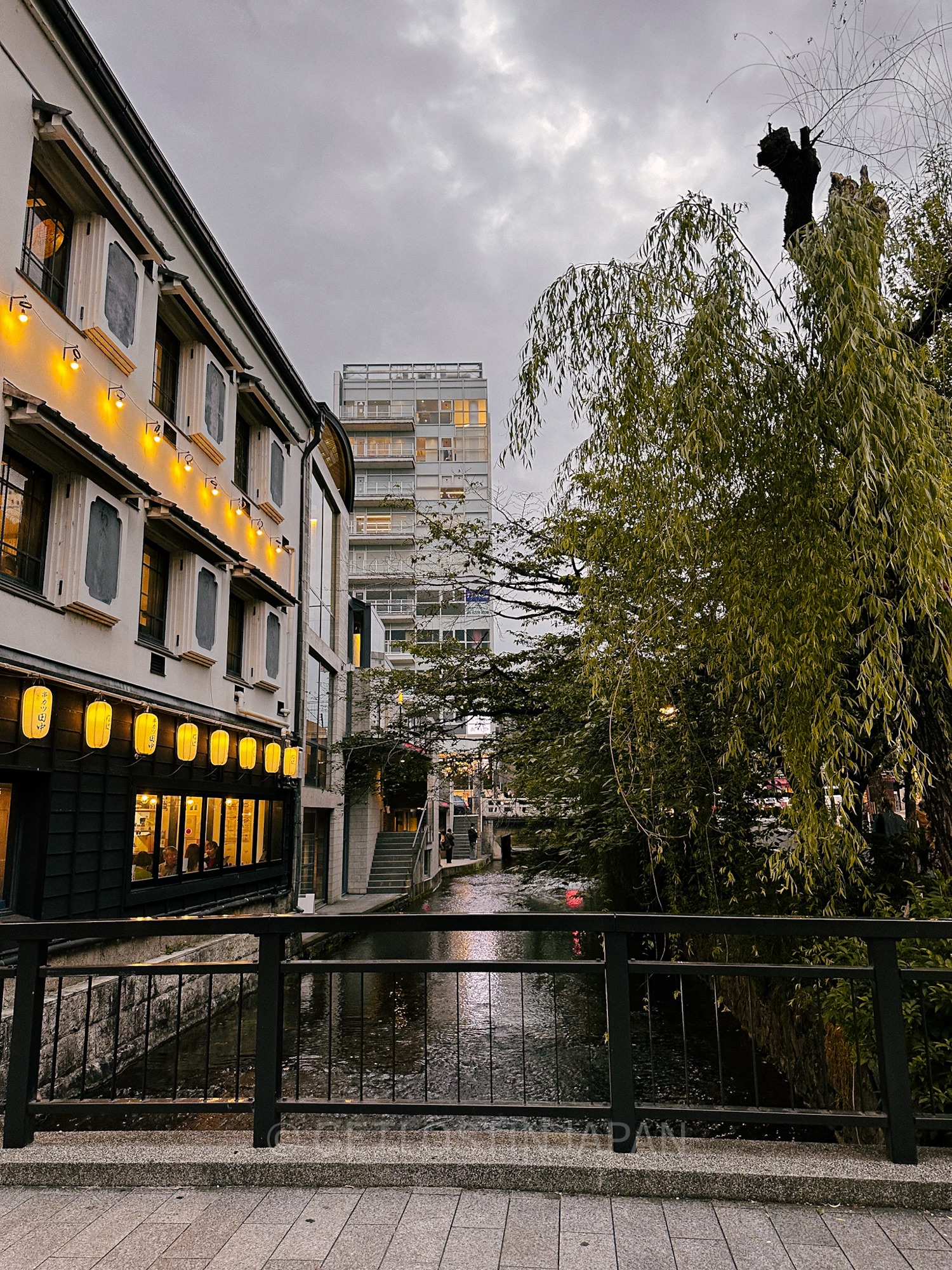
After exploring the quiet streets of Gion and learning about hidden symbols in front of teahouses, the tour ended with an incredible 10-course kaiseki dinner at a restaurant well known to locals.
Kaiseki is such a special dining experience that you can truly enjoy in Japan, and enjoying it in Kyoto while simultaneously learning about the city’s history made the entire evening even better.
Our guide, Thomas, was super knowledgeable and made the three hours fly by.
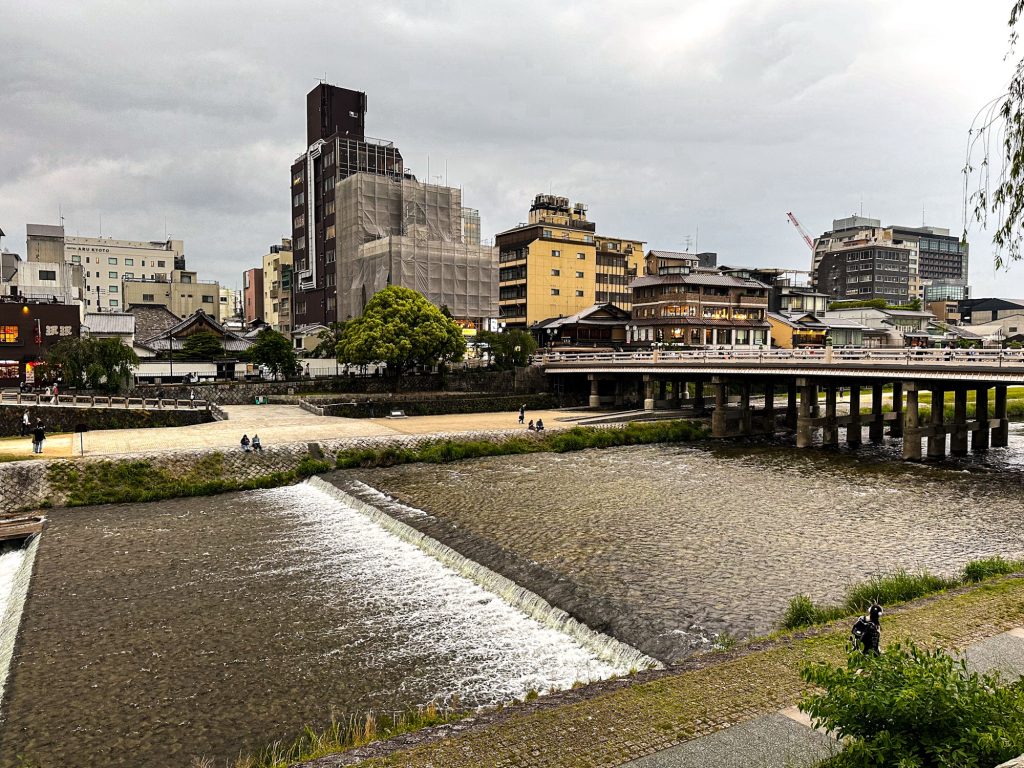
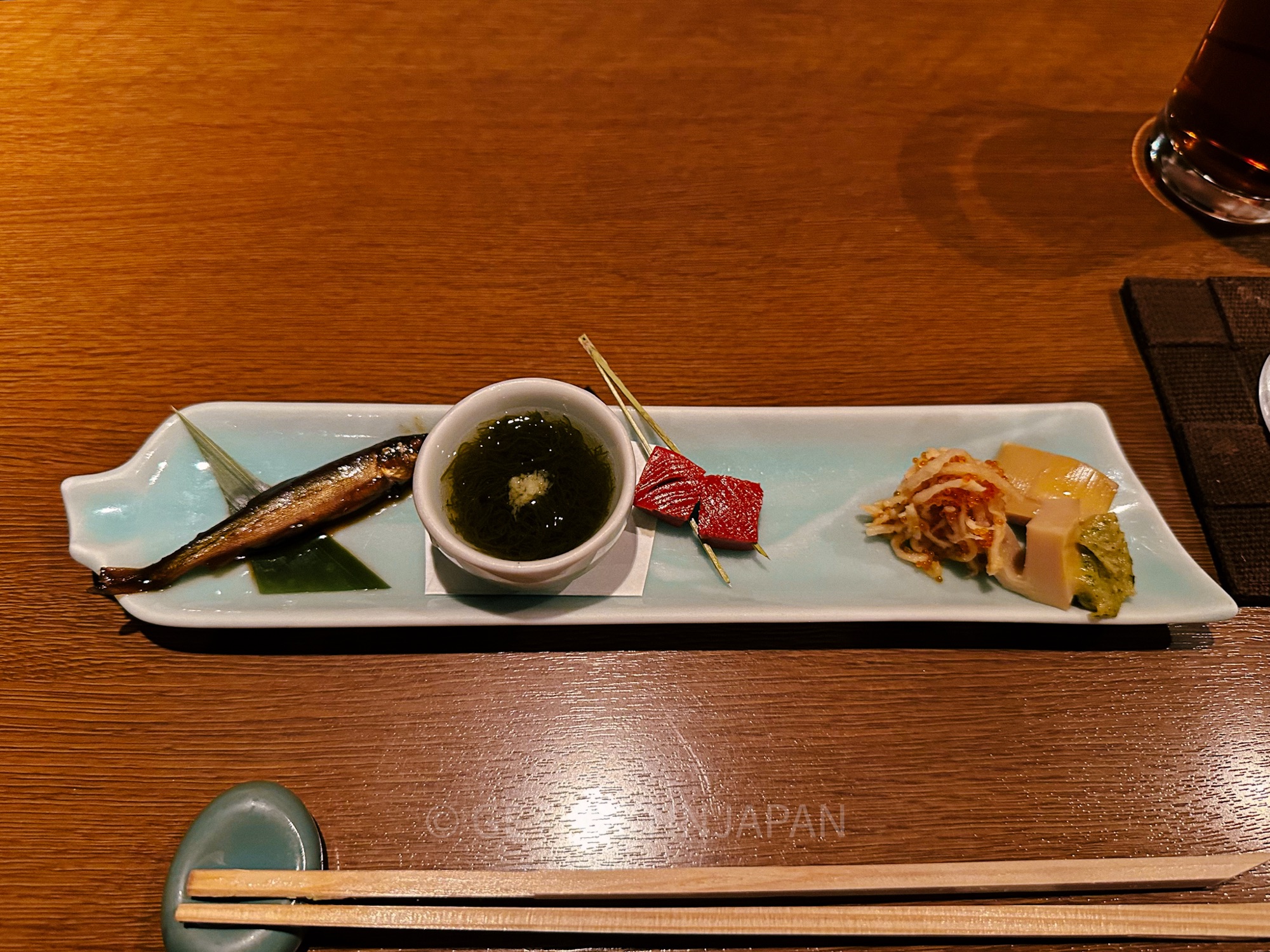
He showed us proper kaiseki etiquette and even explained how to respectfully take photos if you happen to see a geisha, which did happen!
If you book this tour, dinner is included, so afterward you can wander around Gion some more before heading back to your hotel to end the night.
Book your geisha tour of Gion and enjoy FREE cancellation!
Day 2 - Arashiyama
You’re going to spend your second day almost entirely in Arashiyama, which lies on the outskirts of Kyoto.
There’s a lot to see here, so I hope your feet are ready...
Today you’ll take the Hozugawa River Boat Ride into Arashiyama and then spend the afternoon exploring Tenryu-ji, the Bamboo Forest, and Monkey Park.
I also have a complete one day Arashiyama itinerary you can check out for even more things to do here!.
Morning: Hozugawa River Boat Ride
Let’s start our day early with the Hozugawa Boat Ride!
The ride takes around two hours and travels through Kyoto’s beautiful natural scenery before dropping you directly in Arashiyama next to the temple.
The starting point is technically in Kameoka, so you’ll need to travel there from Kyoto first, which can take 45 minutes to an hour.
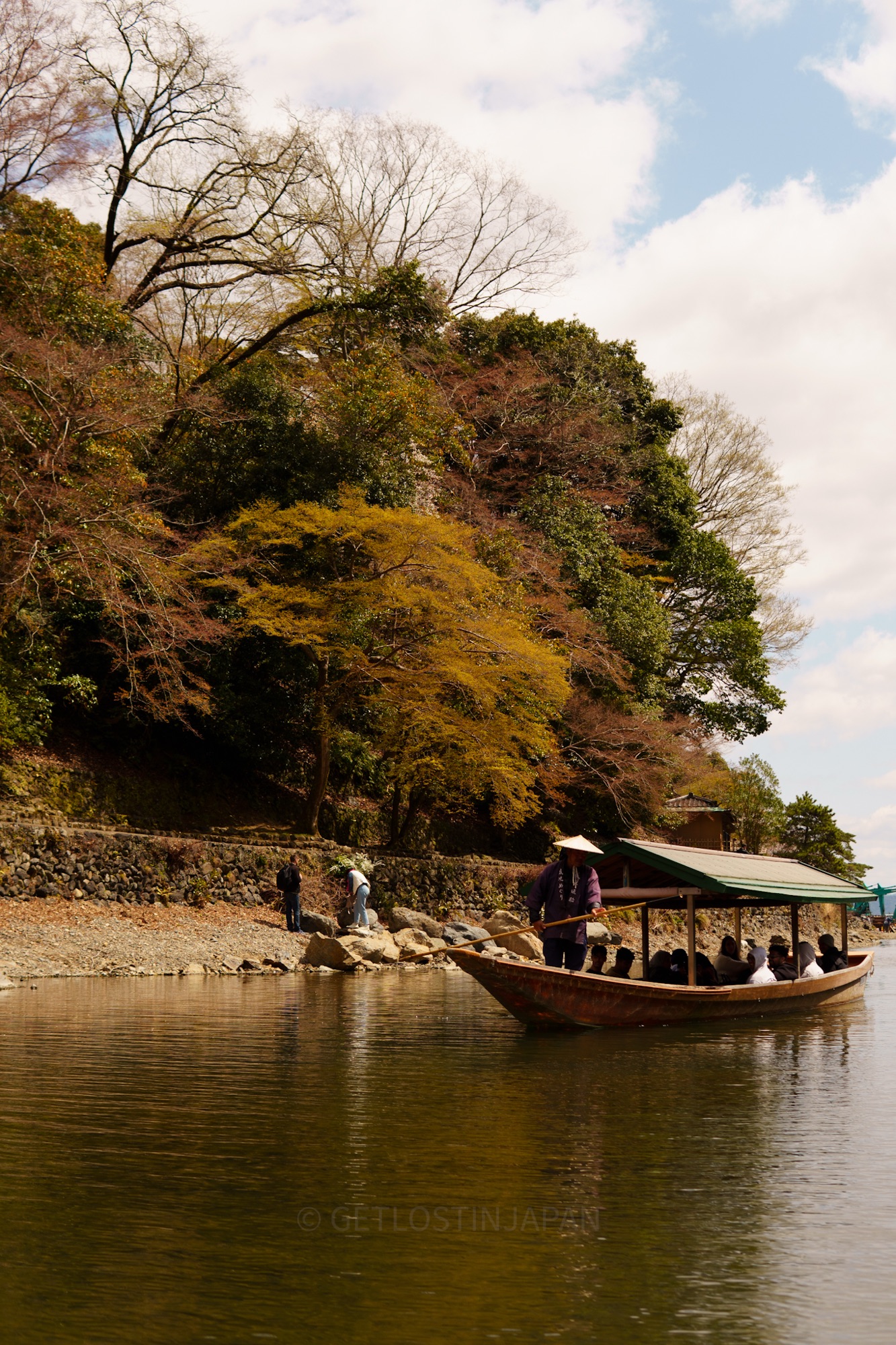
I recommend booking your boat time for around 10 AM so you still have most of the afternoon to explore Arashiyama.
We reserved our tickets 1 month in advance, which I recommend as it does sell out most of the year.
Click here to book the Hozugawa River Boat Ride!
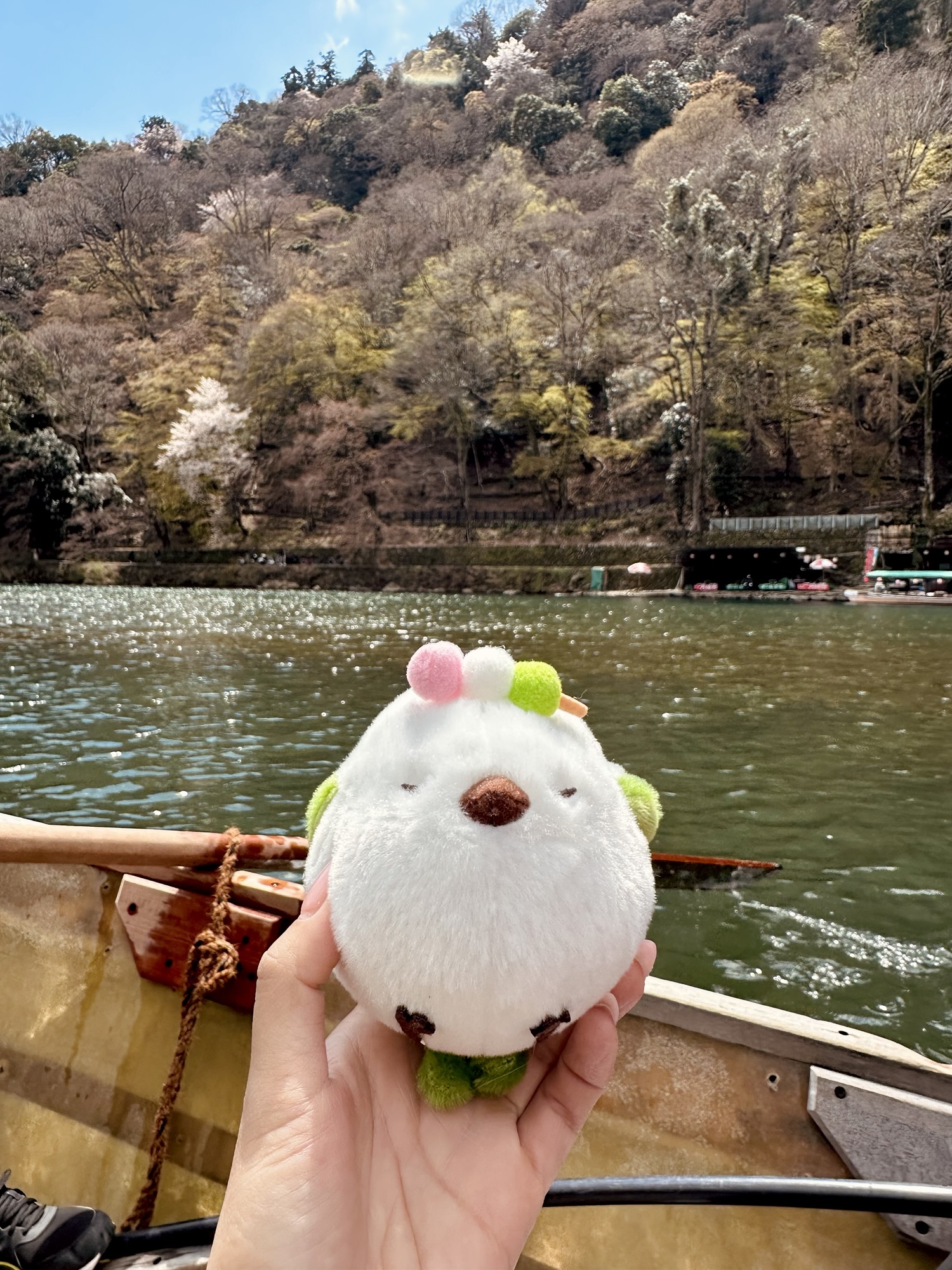
💡 Pro Tip - Check the official website before leaving your hotel, because the boat ride can be canceled depending on weather and river conditions.
The ride itself was super relaxing, gliding on the smooth waters and seeing trees in bloom. Our boatmen were also hilarious and they made the whole experience so fun.
The best time for the Hozugawa Boat Ride
If scenery is your main priority, mid-April can be beautiful during cherry blossom season, while November is an amazing time to see the autumn colors.
Lunch: Arashiyama
Once the boat drops you off in Arashiyama, it’s time for lunch!
There are tons of restaurants and cute cafés scattered around the neighborhood, like Miffy Sakura Kitchen and Rilakkuma Tea House.
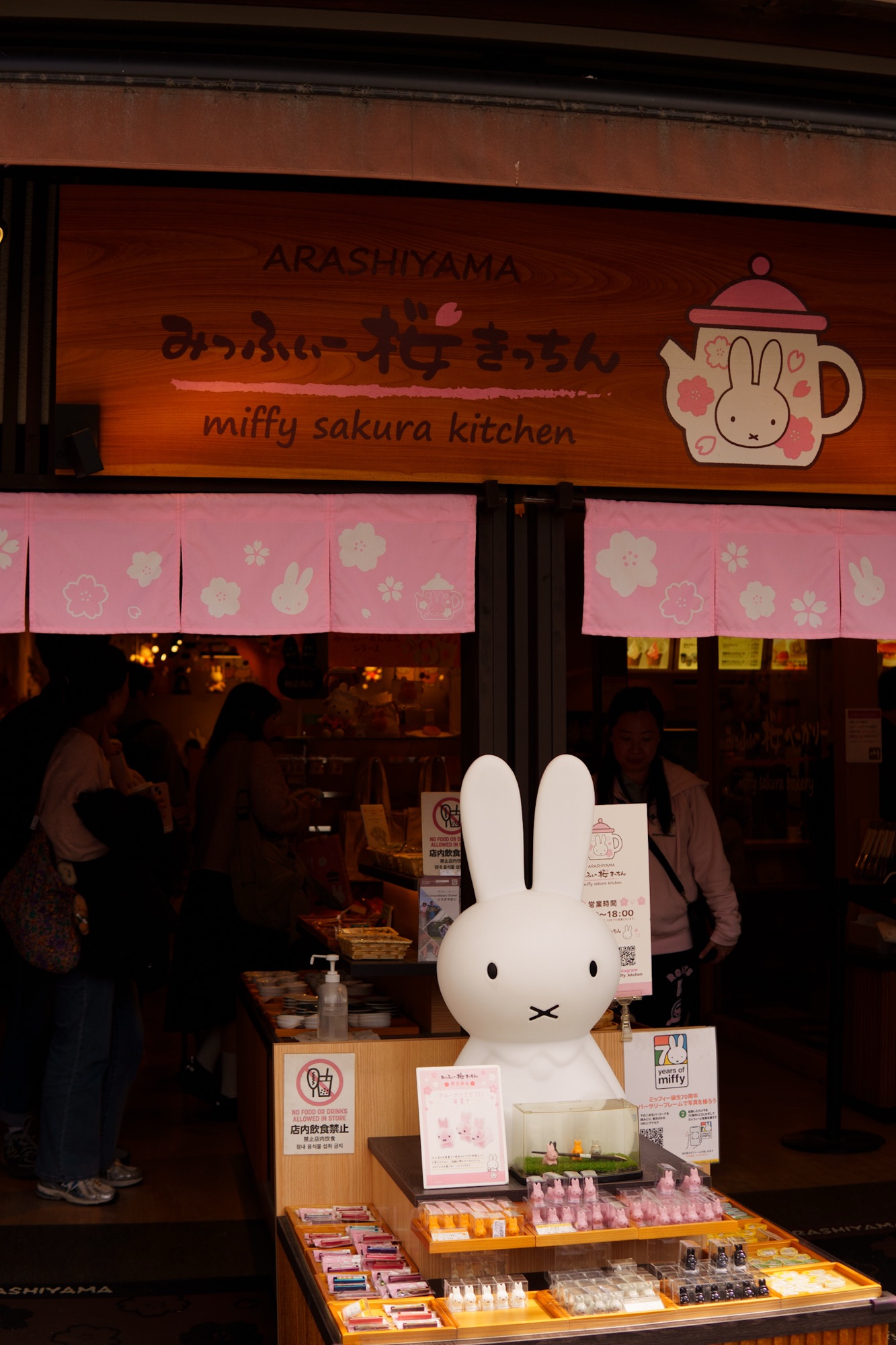
Since I was traveling with a large group, we ate at Arashiyama Gourmet Yokocho, a large food court, which had several different food options like curry, udon, and donburi. I ordered a salmon and tuna donburi and also tried Mont Blanc ice cream for the first time.
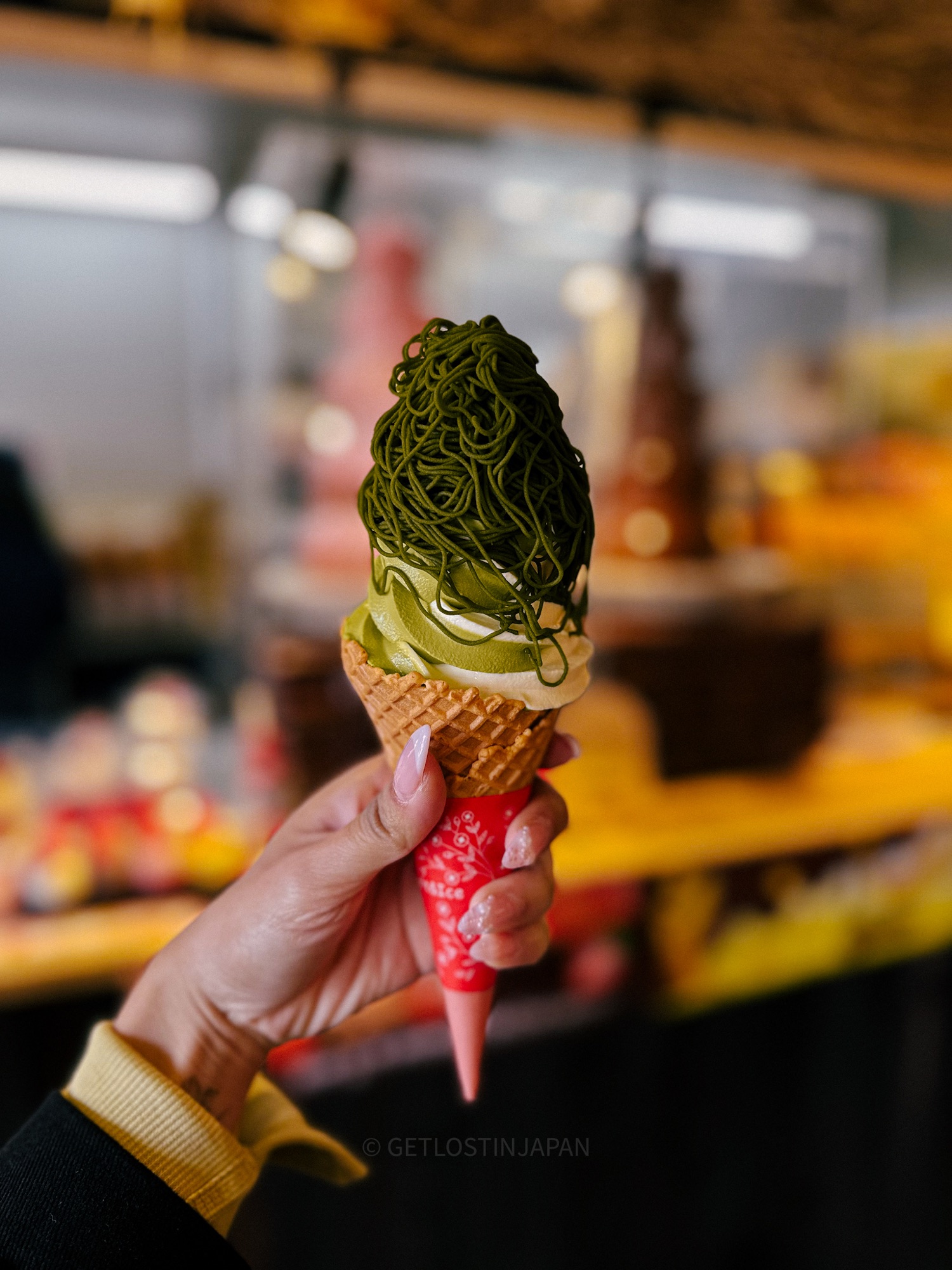
While it was unique and interesting, I didn’t fall in love with it. But overall, lunch was great!
Afternoon: Explore Arashiyama
There are many amazing attractions in Arashiyama that you can check out. I'm going to add the main attractions to see here, but for more details you can check out my Arashiyama 1-Day itinerary.
Tenryu-ji
If I could only choose one temple to visit in Arashiyama, I’d choose Tenryu-ji.
Tenryu-ji is a Zen temple and one of Kyoto’s many UNESCO World Heritage Sites. There is the Gold Pavilion (Kinkaku-ji), and the Silver Pavilion (Tenryu-ji). I think Tenryu-ji is better because you can’t actually enter Kinkaku-ji.
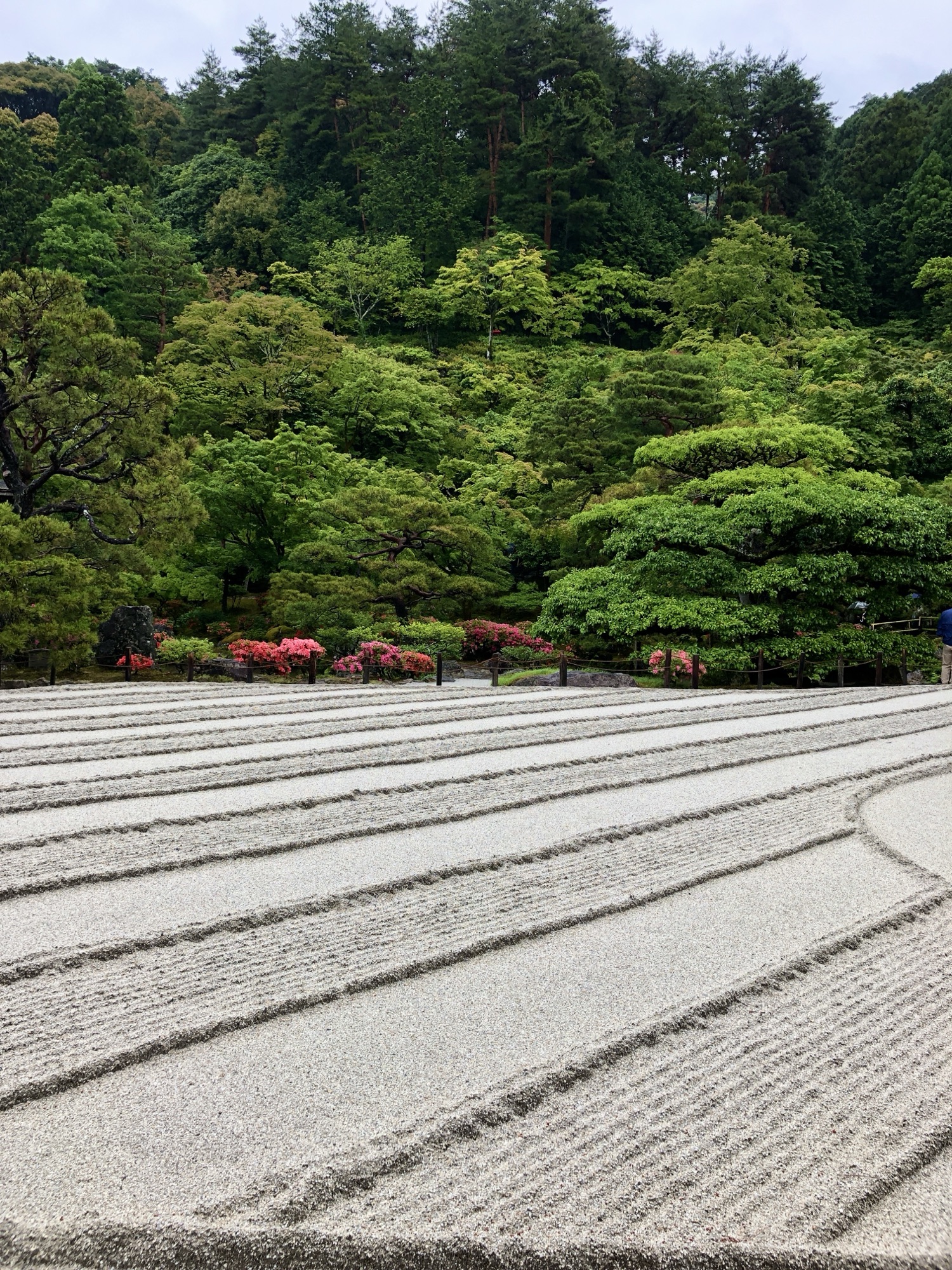
I haven’t personally visited since 2019, so my memory is a little fuzzy, but I still remember how incredibly serene the gardens felt.
The pond, greenery, and surrounding mountains make it one of my favorite places to experience the quieter, more natural side of Arashiyama.
You can usually purchase admission once you arrive, so there’s no need to book far in advance. Tickets to the gardens are 500 yen, and inside the building is another 300 yen.
Arashiyama Bamboo Forest
Next, head to the Arashiyama Bamboo Forest, which is probably the most famous attraction in the Arashiyama.
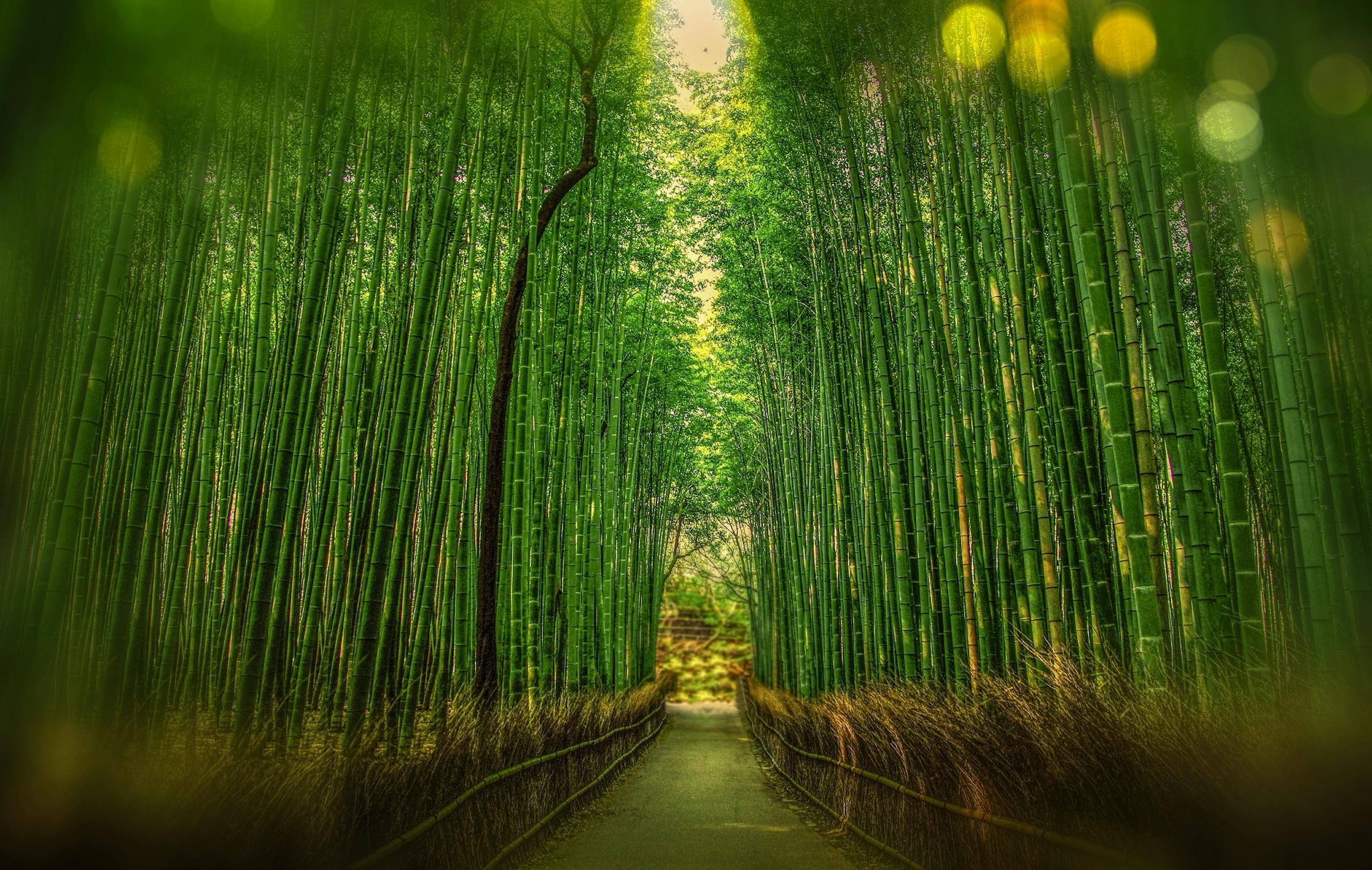
The pathway stretches for roughly 400 meters and is surrounded by rows of towering bamboo, creating one of Kyoto’s most recognizable photo spots. I’ve only been once, and while I must admit it is very beautiful, it is also very crowded.
Personally, I think it’s a little overrated. But if you’re already staying in a ryokan in Arashiyama, you should visit in the early morning so you can have some stunning photos all to yourself.
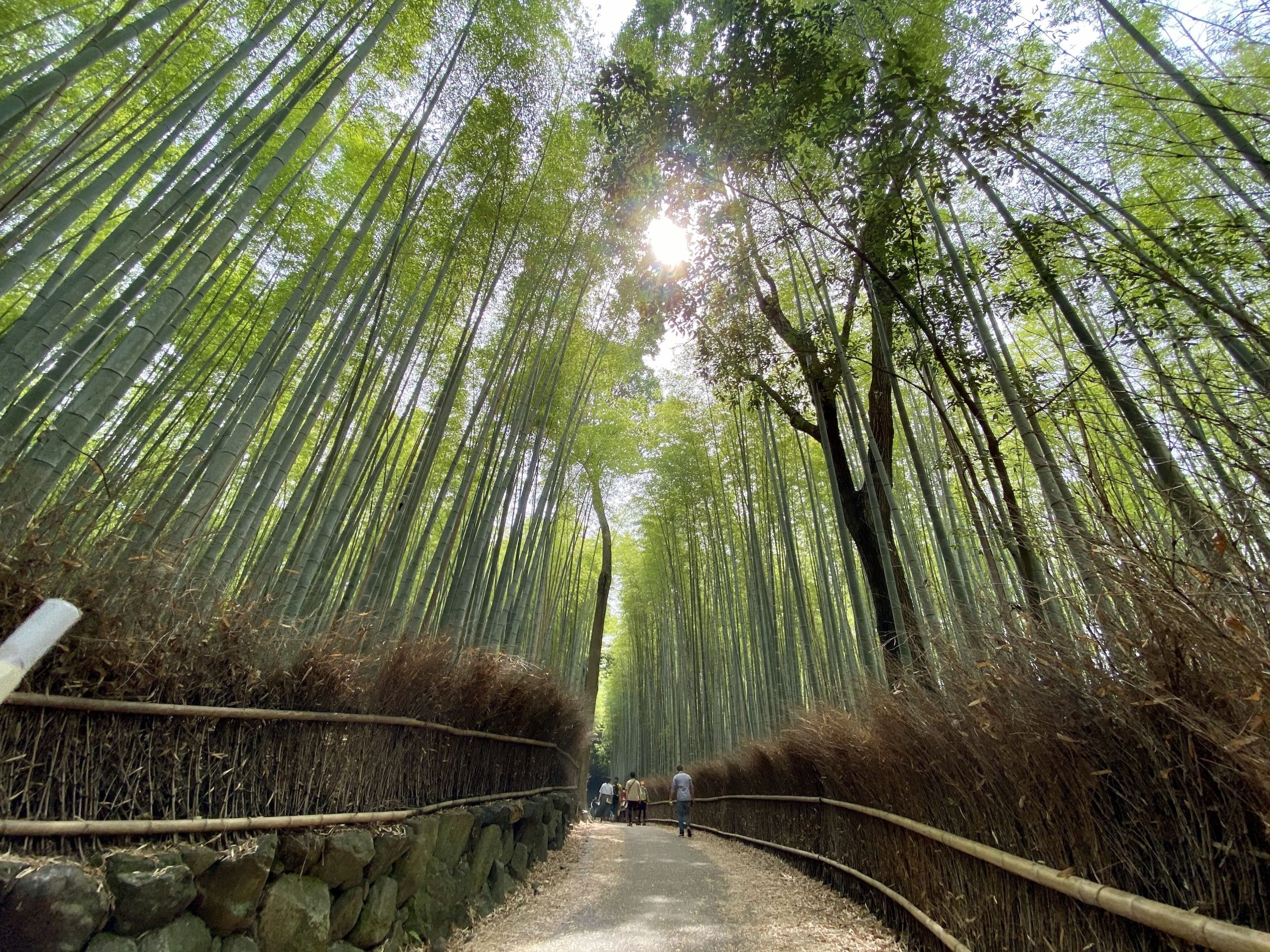
I’d also try to visit on a sunny day. The bamboo creates a lot of shade, which can be really nice if you’re visiting Kyoto in summer, but because the bamboo blocks so much sunlight, the pathway can look surprisingly dark when it’s cloudy.
Arashiyama Monkey Forest
If you’re okay with a little hiking, another popular stop is Arashiyama Monkey Park Iwatayama.
The park is home to more than 100 wild Japanese macaques living in their natural environment, and you can even purchase snacks like apples and peanuts to feed them in designated areas.
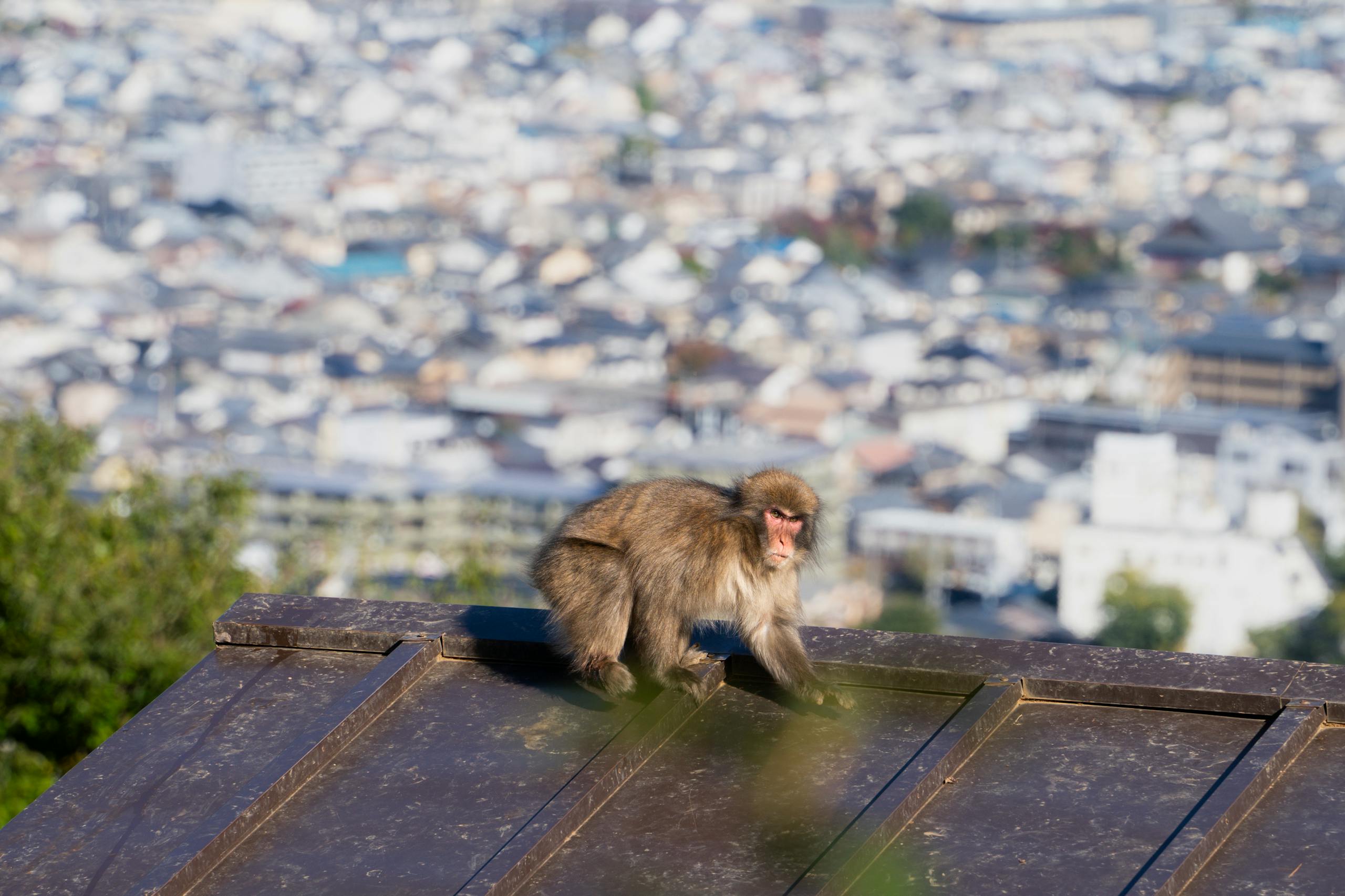
While I haven’t personally visited (not big into monkies), my friends have gone and told me it’s a 20 minute uphill hike to get there, so dress appropriately for it. A.K.A, no kimonos!
Once you get to the top, you’ll also get a beautiful panoramic view overlooking Kyoto.
Arashiyama Yusei-Tei Gallery
Another sightseeing option is Yusai-tei Gallery, which displays textile work made using a unique dyeing method called ‘Yume-kôrozome’, by artist Yusai Okuda.
The space dates back roughly 150 years to the Meiji era and is especially known for the way its windows frame Kyoto’s seasonal scenery, making it a very popular photo spot. It’s only open seasonally, and admission is 2,000 yen.
There are also dyeing experiences available where you can create your own textile pieces.
I didn’t get the chance to visit this one myself, but I’ve heard conflicting reviews. Some people think it’s utterly serene and one of the prettiest places in Arashiyama, other people think it isn’t worth the money.
I think if you run out of things to do, why not visit and decide for yourself?
Don’t forget that if you want more things to do in Arashiyama, you can check out my 1 day Arashiyama itinerary!
Dinner: Yakitori Torikizoku
For dinner, we’ll head back to central Kyoto.
Today we’ll try try yakitori, simple Japanese skewers cooked over a charcoal fire. Yakitori traditionally refers to skewered chicken cooked over charcoal, although most restaurants have other options like pork, beef, vegetables, and different chicken cuts.
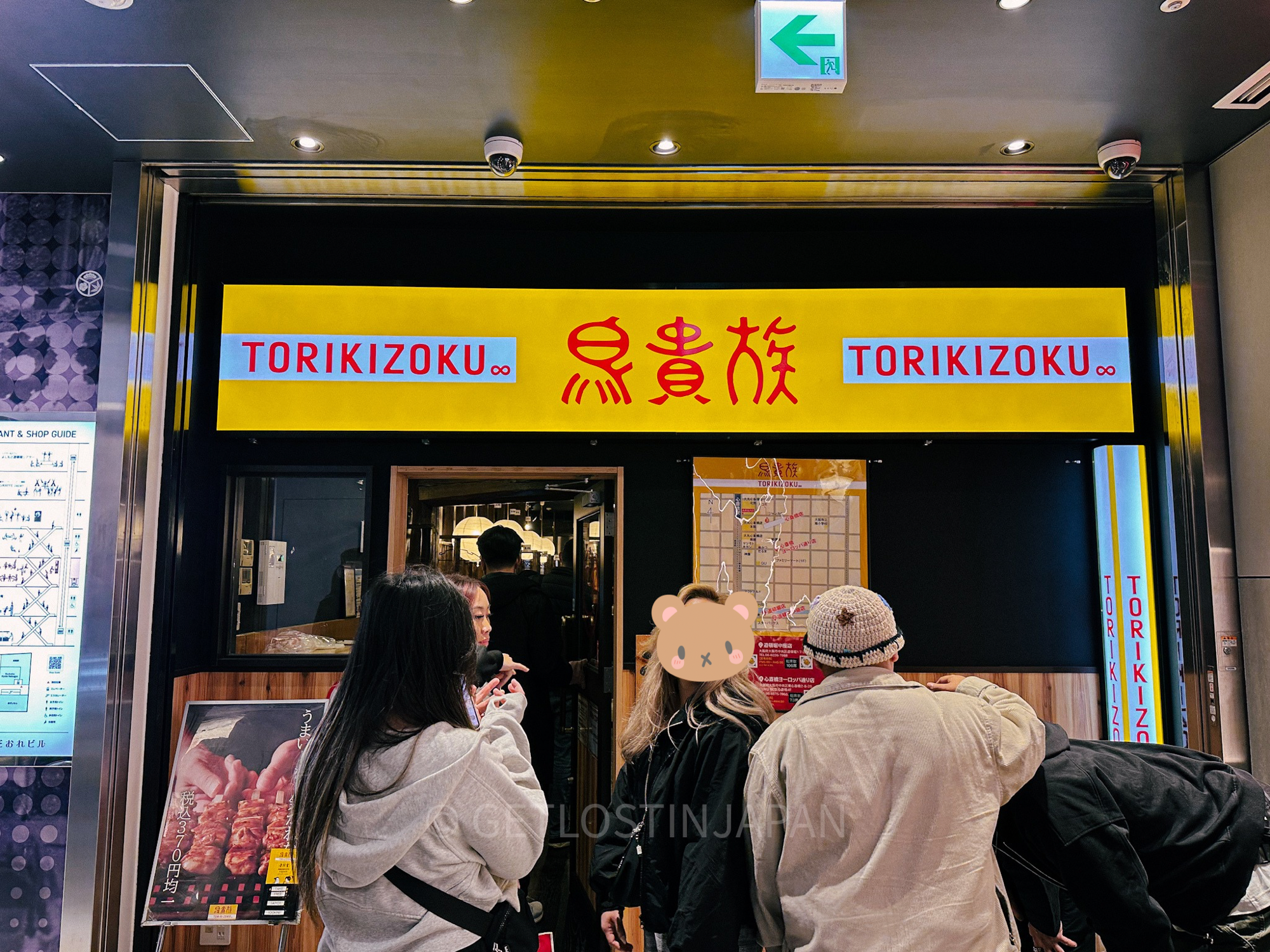
It’s usually very affordable, with each skewer usually costing 300-700 yen. There are a ton of yakitori restaurant options both in Arashiyama and Kyoto, but I recommend Yakitori Torikizoku back in Kyoto because that’s where I went and I loved it.
The food was delicious, we got seated quickly, and overall it was a great value.
Day 3 - Fushimi Inari & Nishiki Market
Today, you’ll start your morning at Fushimi Inari and spend the afternoon eating, shopping, and wandering around central Kyoto.
Morning: Fushimi Inari Taisha (Thousand Torii Gates)
Start as early as you can at Fushimi Inari Taisha. This is the famous shrine with thousands of orange torii gates that you’ve probably seen all over social media. Fushimi Inari is usually crowded all throughout the day, unless you manage to arrive at 6 AM.

I’ve hiked Fushimi Inari three times now, but I’m pretty sure I’ve never actually made it to the very end because it is SO much longer than you think.
At the beginning of the shrine, you’ll find lots of souvenir shops selling cute fox and torii-themed goods, but I recommend saving your shopping for the way back down so you won’t have to carry everything with you during the hike. (Yes, it is a hike.)
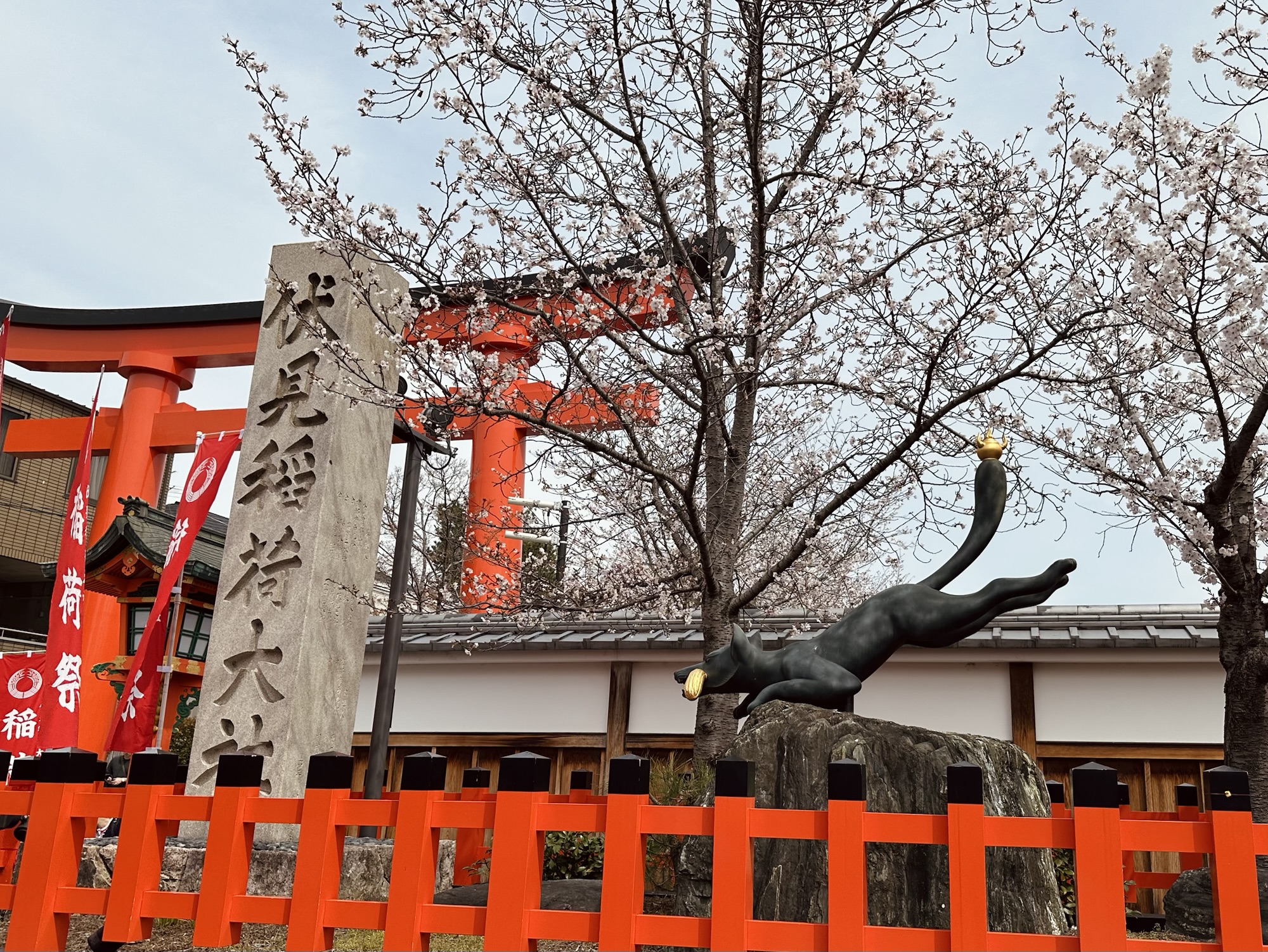
👍 Pro tip - don’t try to get your perfect photo at the entrance where it’s super congested. Keep walking further up and it’ll eventually clear out.
Fushimi Inari will probably take up your entire morning with the hike and souvenir shops.
Lunch - Nishiki Market
After Fushimi Inari, let’s head toward Nishiki Market in the Nakagyo Ward for lunch.
Nishiki Market has been operating for hundreds of years and is packed with stalls selling everything, from seafood & produce to desserts, tea, pickles, ceramics, and souvenirs. This is a perfect place to walk around and try local street vendors.
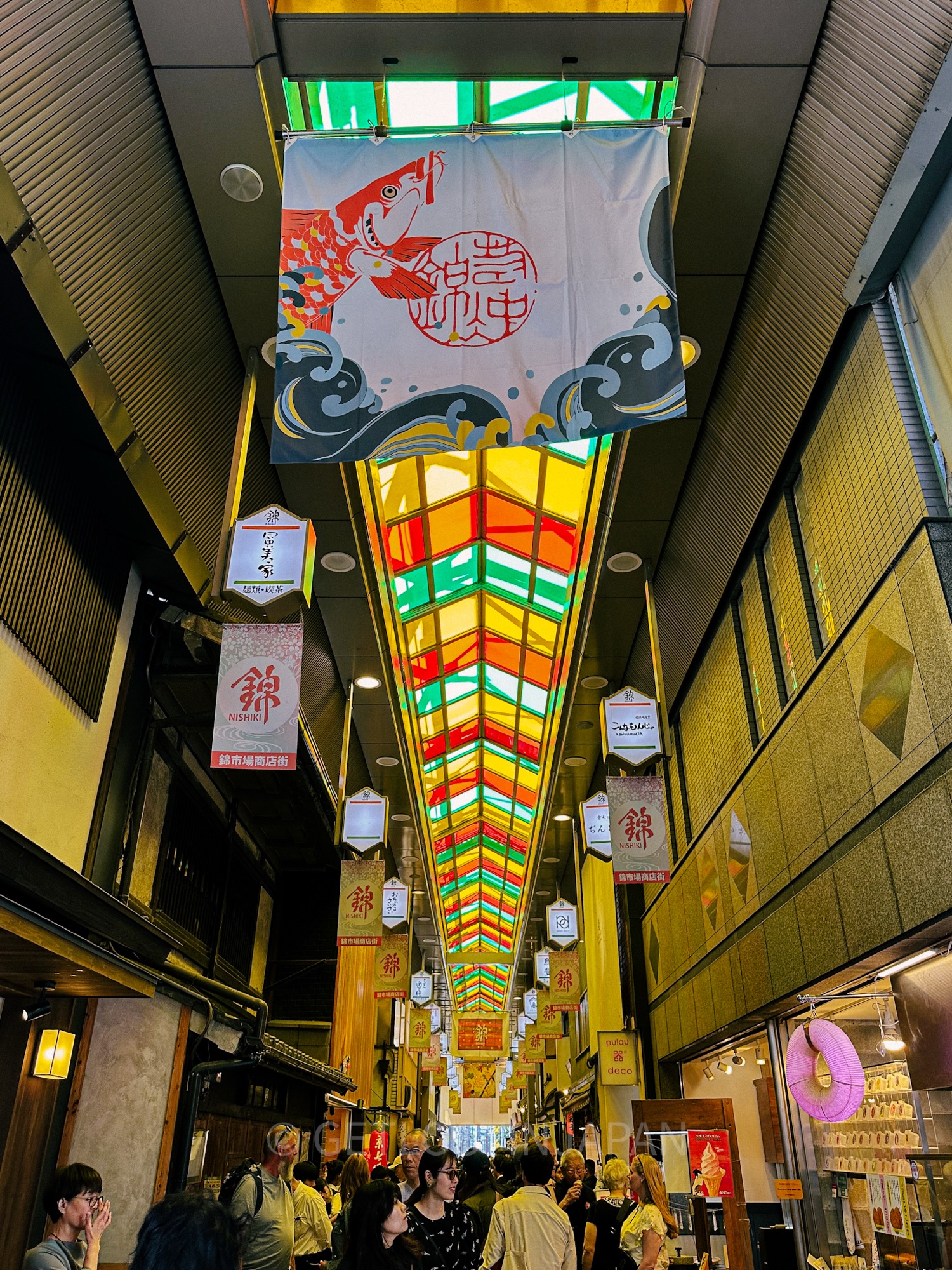
We spent around 2 hours here wandering the stalls, and I bought loose-leaf hojicha tea and miso here and tried a bunch of snacks like sashimi, taiyaki fish with red bean, and seafood tempura freshly fried.
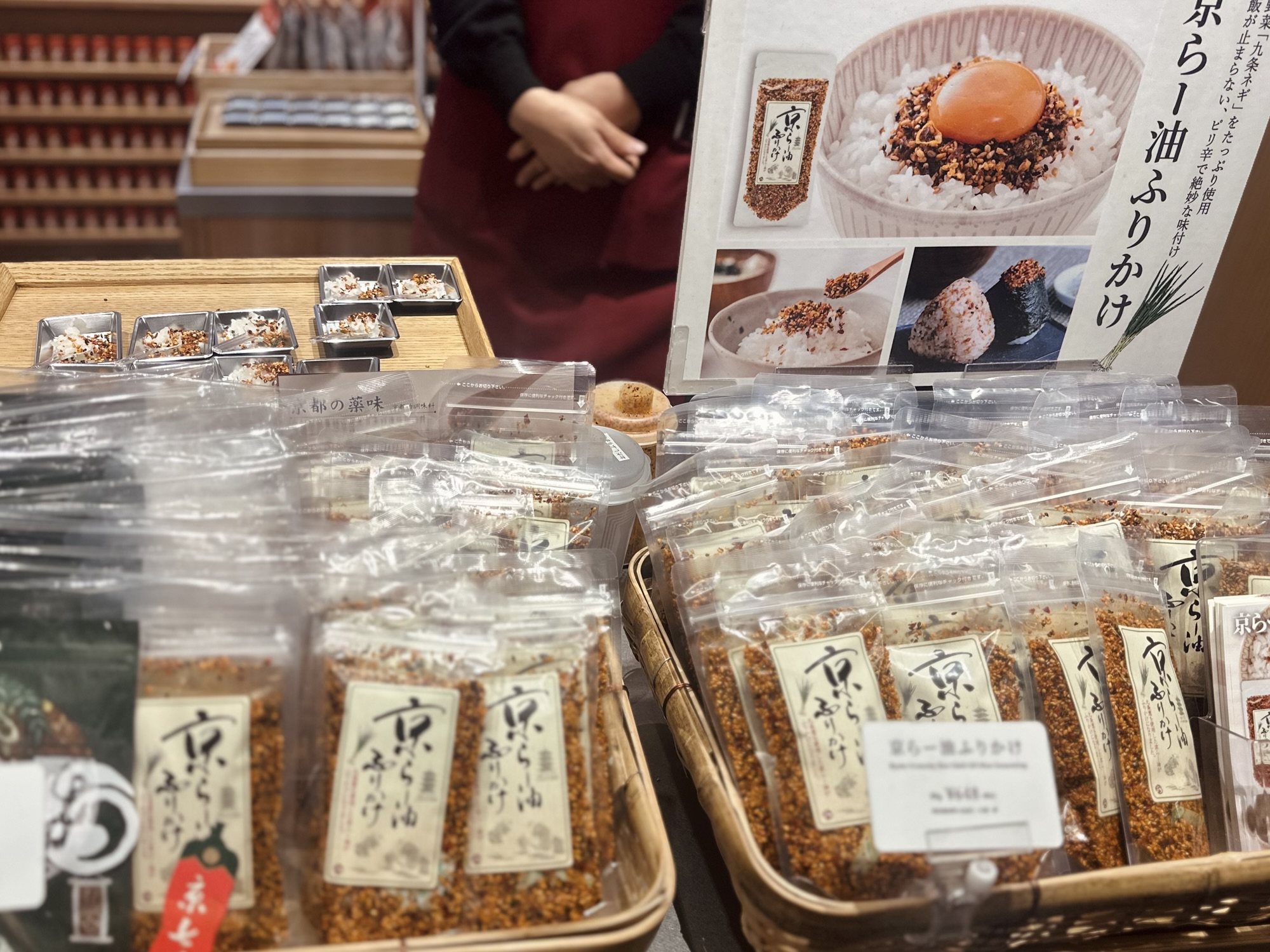
Stores here generally operate from 10:00-17:00, so I recommend doing Fushimi Inari first and coming back toward central Kyoto for Nishiki Market afterward.
Afternoon - Check out the shops in Nakanocho
There are a lot of fun stores close to Nishiki Market, so I recommend spending your afternoon wandering around Nakanocho.
There are plenty of department stores, boutiques, vintage stores, and restaurants around this area, so you can easily peruse around Shijo and Kawaramachi, or pop into a cute cafe to give your feet a break.
We went to the BAPE Store, WEGO, and Rageblue clothing stores. There’s also luxury vintage stores in this area like BRAND OFF if you want to shop for a vintage handbag or jewelry!
Dinner: All you can eat Yakiniku with unlimited Drinks
For dinner, I recommend one of my favorite Japanese barbecue restaurants: 0 Byo Lemon Sour!
This is an all-you-can-eat yakiniku restaurant with unlimited lemon sours ON TAP at your table. I loved the little lemon-shaped tap for the alcohol, and you get to pick two flavored syrups to make your sour sweet.
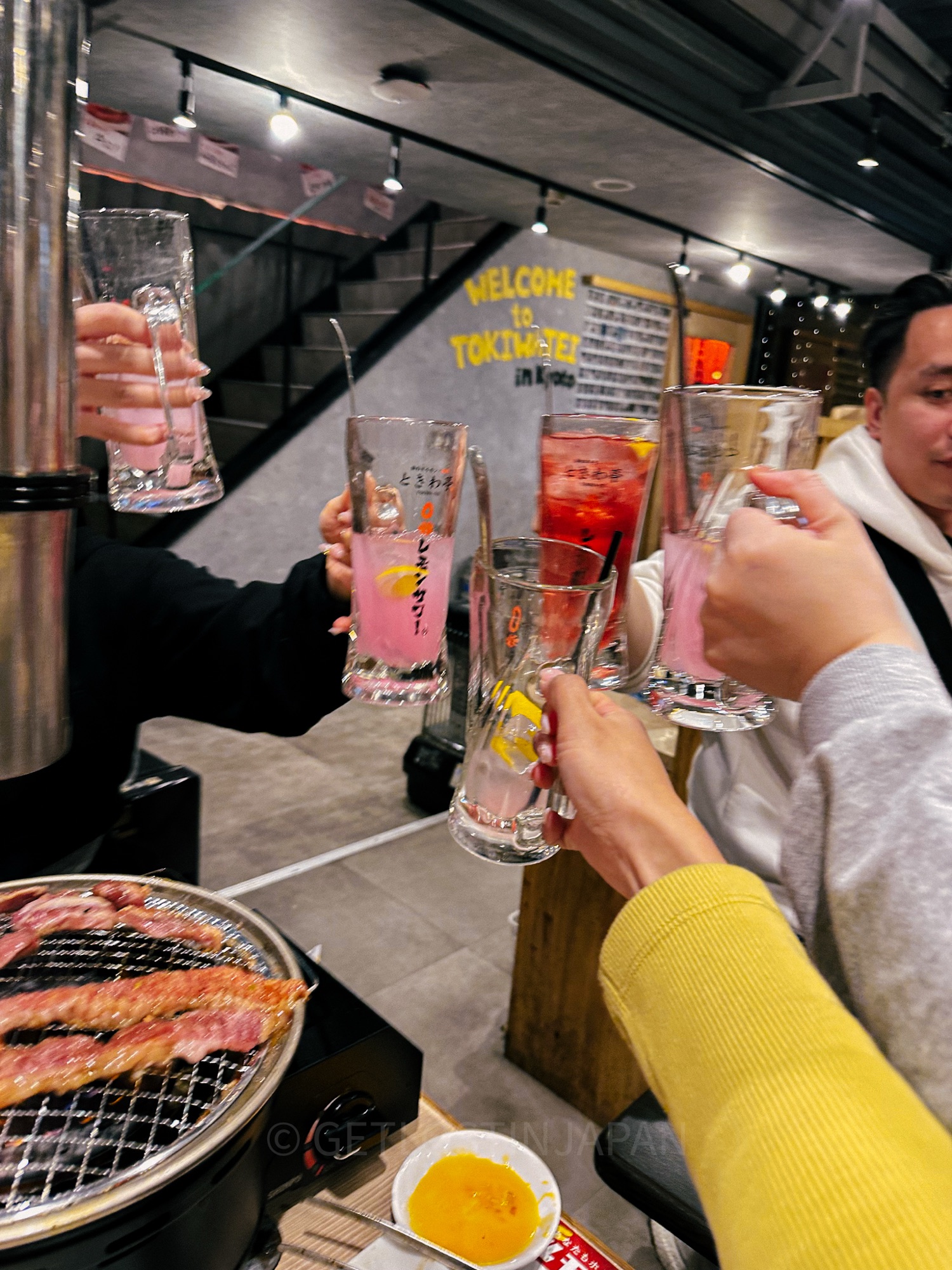
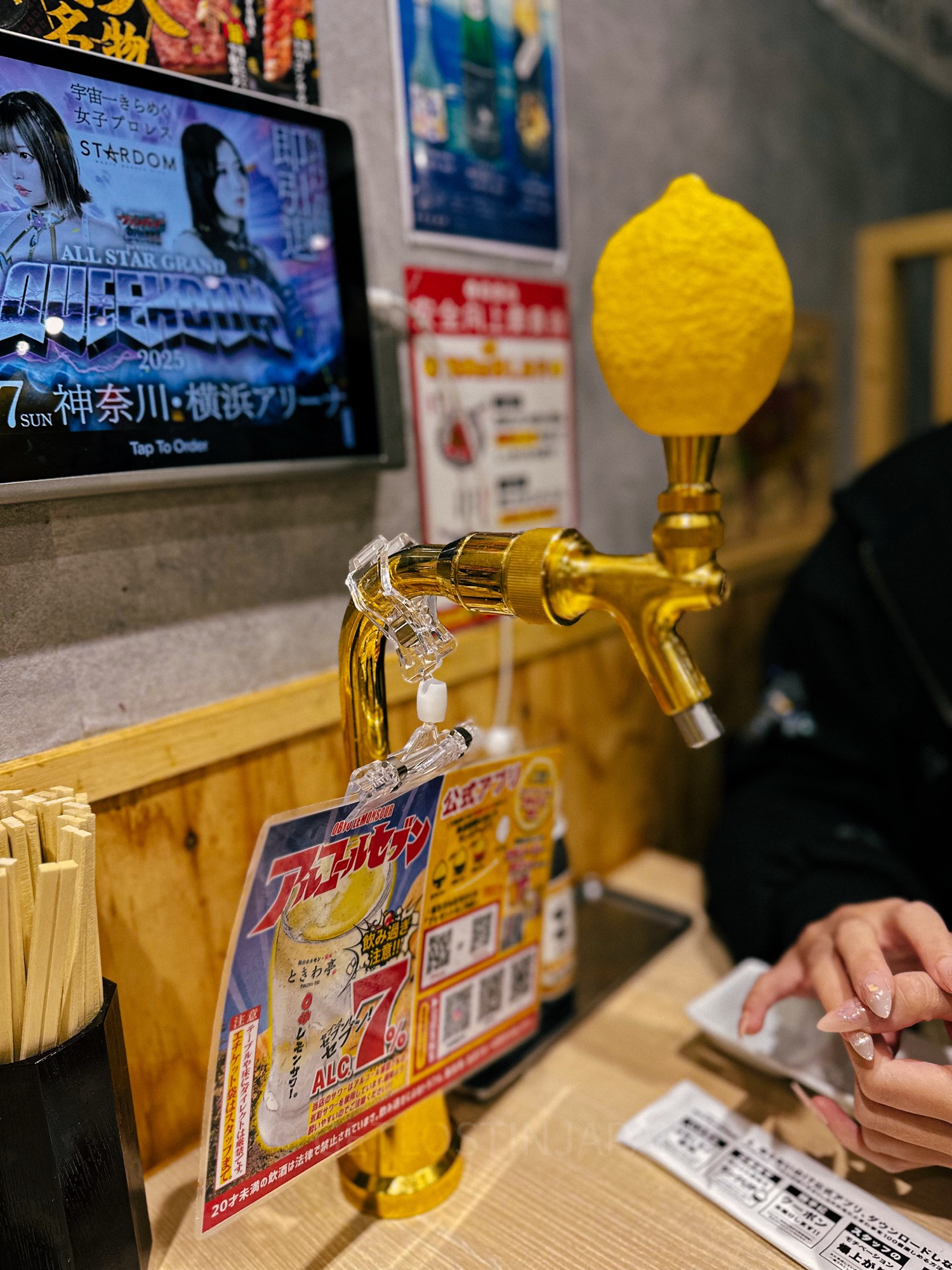
The meat was delicious, and my favorite was the sukiyaki beef. It was incredibly tender and sweet, and came with an egg that you use as a dipping sauce.
We made a reservation, but the restaurant wasn’t very crowded when we went. I think this chain is more popular in Tokyo, so the Kyoto location felt like a hidden gem.
Day 4 - Kiyomizu-dera + Higashiyama
Day 4 is probably one of my favorite days in this entire 5 days Kyoto itinerary.
You’re going to explore Kiyomizu-dera and the historic streets of Higashiyama, including Sannenzaka, Ninenzaka, and see the famous Yasaka Pagoda view.
If you want to rent a kimono during your trip, this is the day I would do it!
Morning: Rent a Kimono
If you’ve ever wanted to wear a kimono in Japan, Kyoto is one of the best places to do it.
(And yes, foreigners can definitely rent and wear kimonos too, it’s not a bad thing).
There are also tons of kimono shops around Gion and Higashiyama, and Kyoto has so many temples and historic streets that almost everywhere is a beautiful backdrop.
You don’t technically have to make a reservation, but I definitely recommend it during busy seasons or if you have a large party.
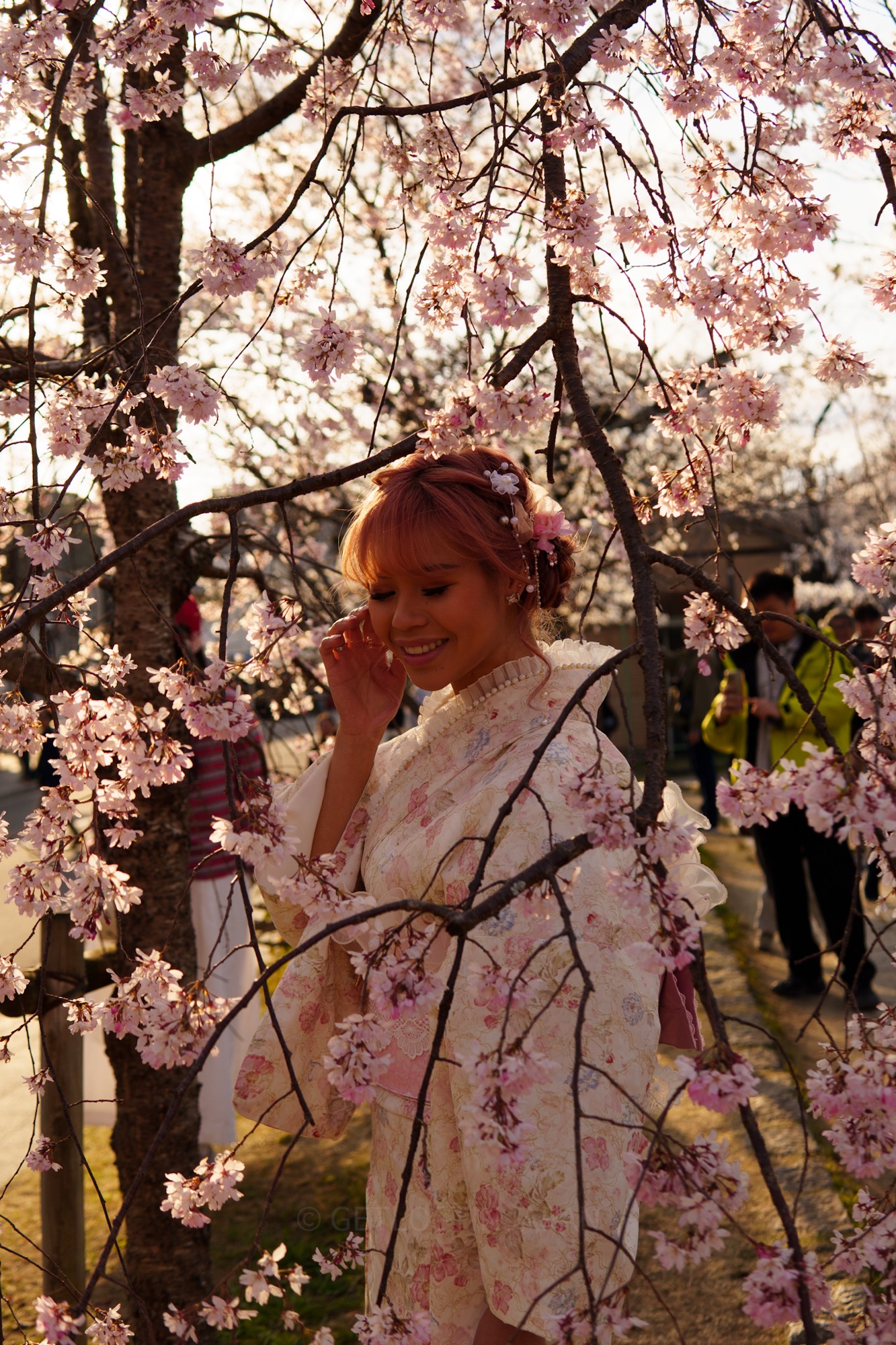
If you head to the shop earlier, you’ll have a larger selection of kimonos to choose from. Also, the process can take a little long.
Choosing your kimono, getting dressed, picking accessories, and having your hair styled can easily take over an hour, so keep that in mind when structuring your day.
Most rental shops also require you to return your kimono by around 17:00, so try to rent a kimono before 1 PM so you have ample time to walk around and take photos.
Dreamy Kimono Rental Kyoto Gion Shijo
I’ve rented kimonos a few times, and one of my favorite experiences was at Dreamy Kimono.
The shop looked pretty small and unassuming at first, but they actually had a TON of styles available, and we didn’t even arrive until around the late afternoon.
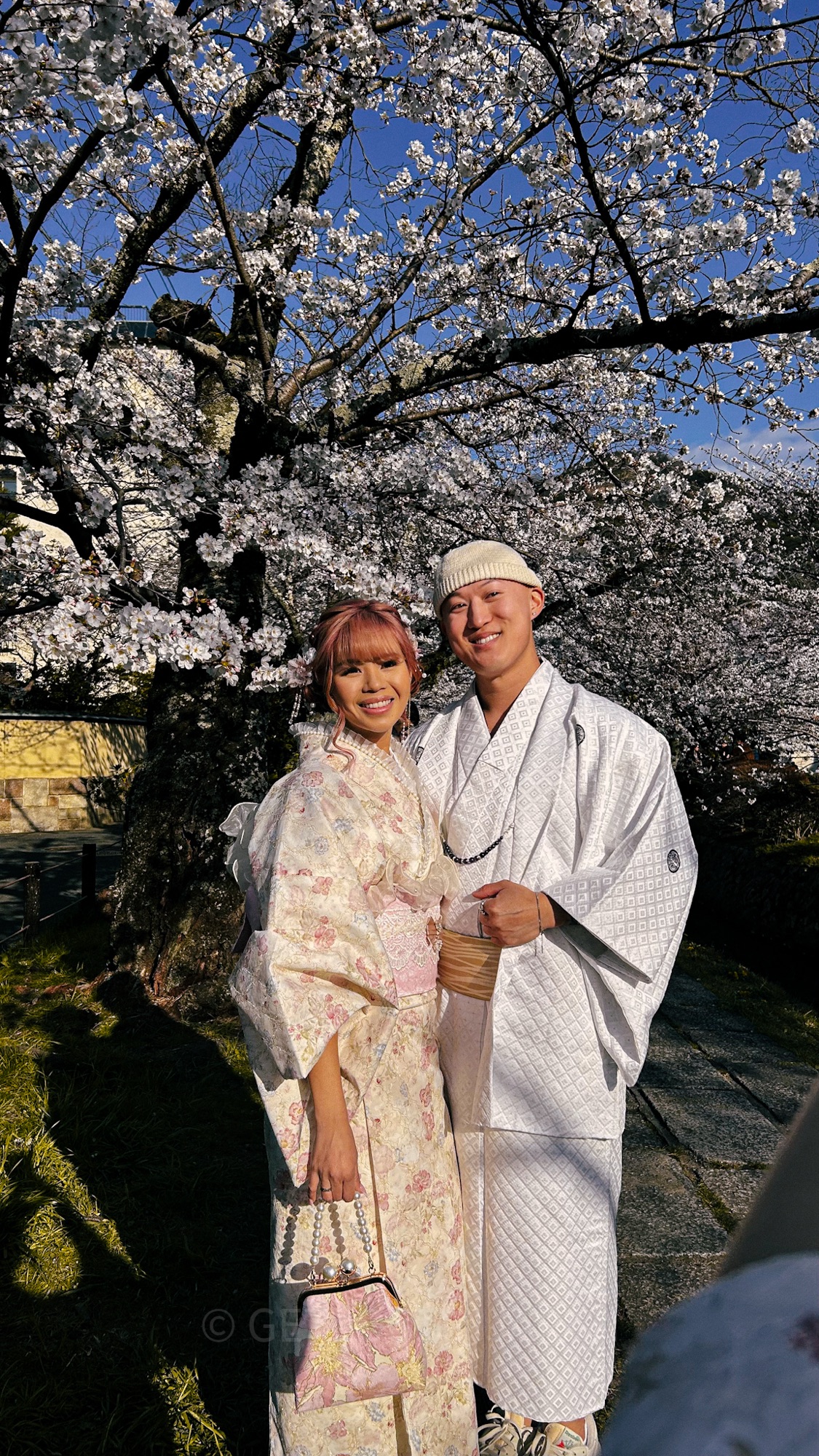
We messaged them through Instagram only one or two days beforehand, and somehow they were able to accommodate our entire group of eight.
The owners are a couple and speak Japanese, Chinese, and English. They were sooo sweet and did an amazing job styling our hair too. I seriously can’t recommend this hidden gem enough.
You’ll find the most kimono shops in Gion. I recommend taking a taxi to Kiyomizu Temple if you rent a kimono in Gion.
Afternoon: Kiyomizu-dera
We have to save one of the best for near the end, right?
Kiyomizu-dera is my favorite temple in Kyoto, hands-down. It’s one of the things you HAVE to do in Kyoto.
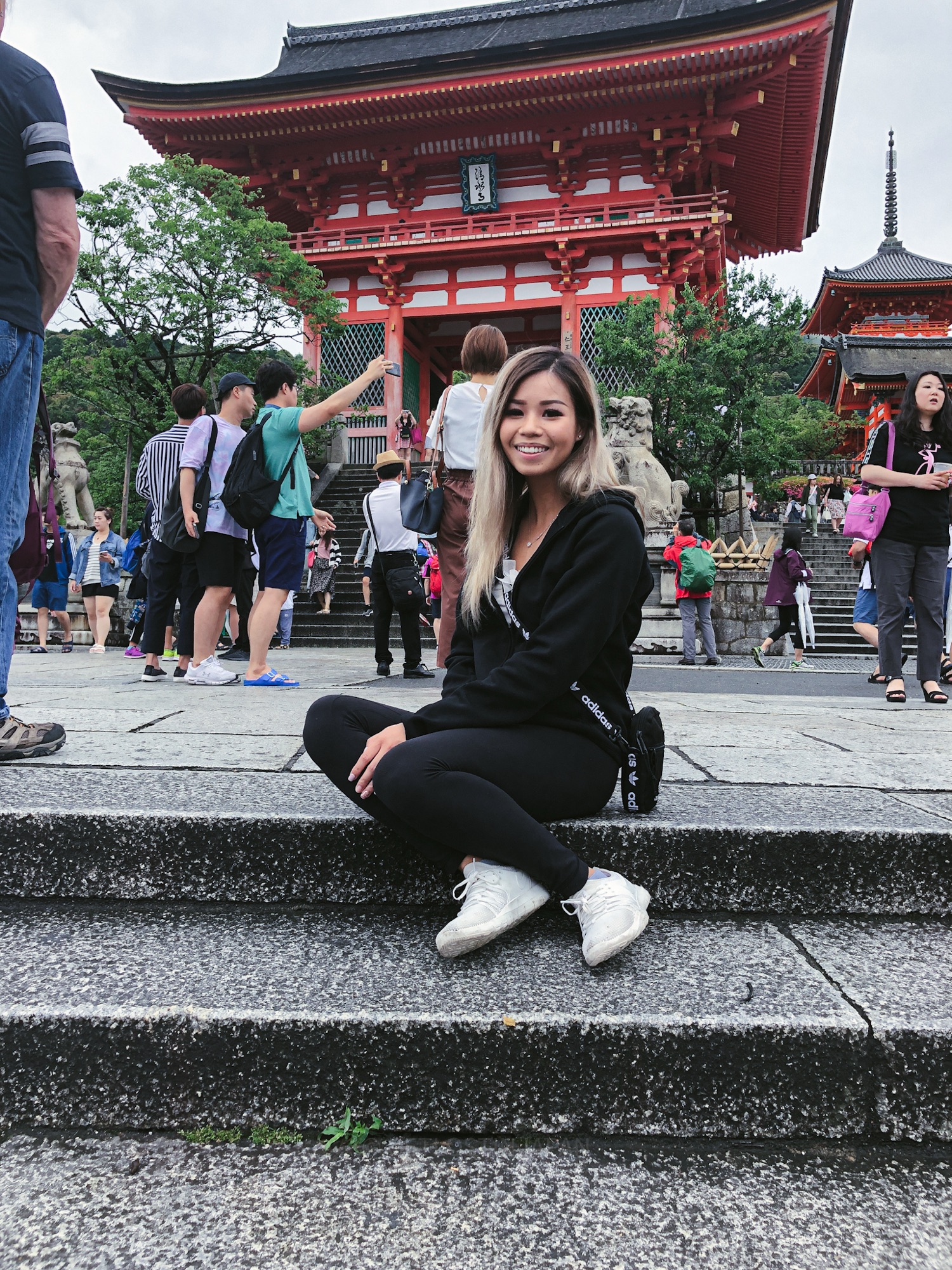
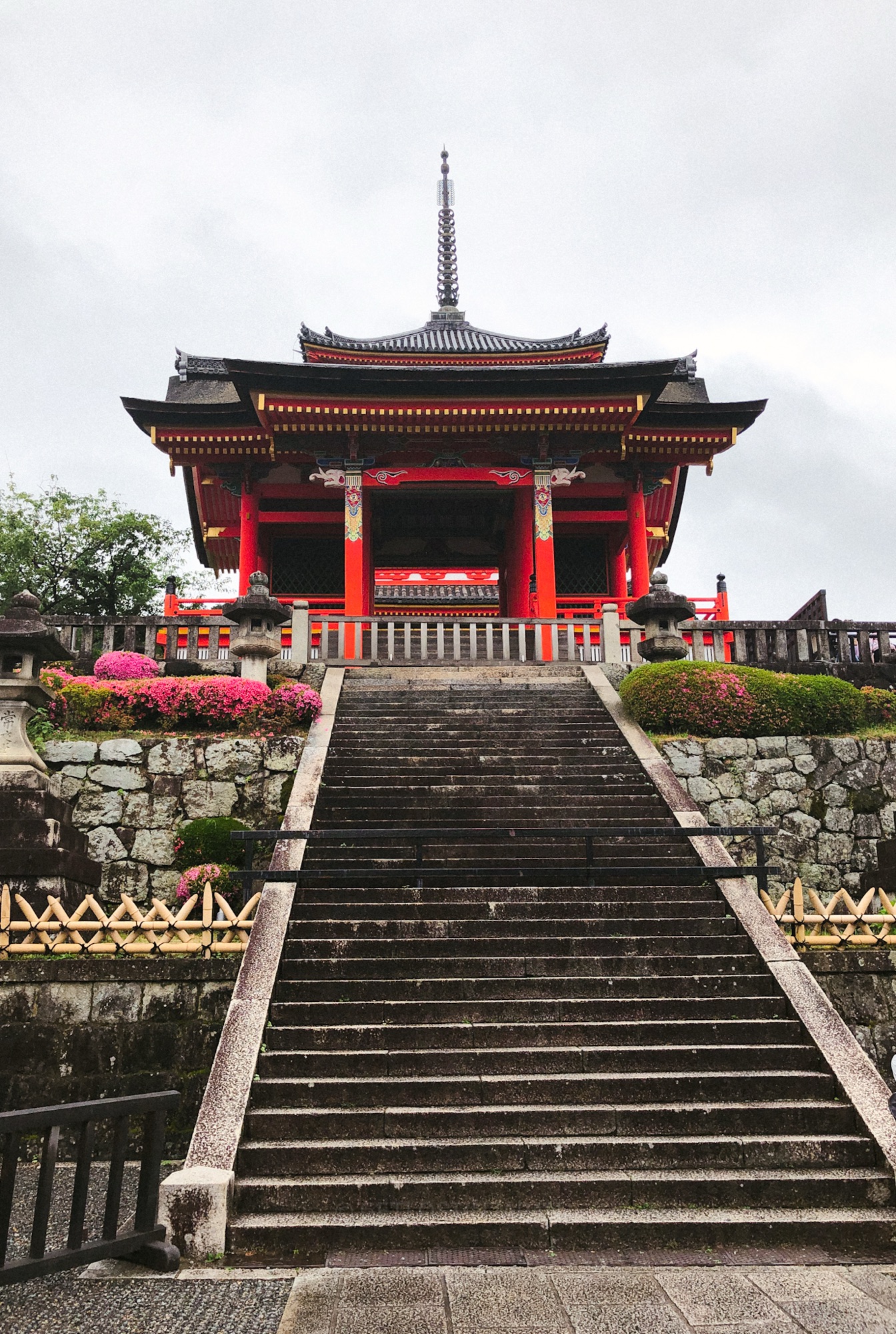
It’s just SO beautiful. The temple sits partway up Mount Otowa, so before you even reach the entrance, you’ll already be walking through streets filled with restaurants, souvenir shops, cafés, and traditional buildings. It feels whimsical and surreal.
Once you reach the top, you’ll get an incredible view overlooking Kyoto.
You can walk through the temple grounds, pay your respects to Kannon, and enjoy the surrounding seasonal scenery. Cherry blossom season here is especially magical (and also very busy).
I’ve visited Kiyomizu-dera both during the day and at night, and while I love how empty it is at night, I have to admit it is more beautiful duing the day.
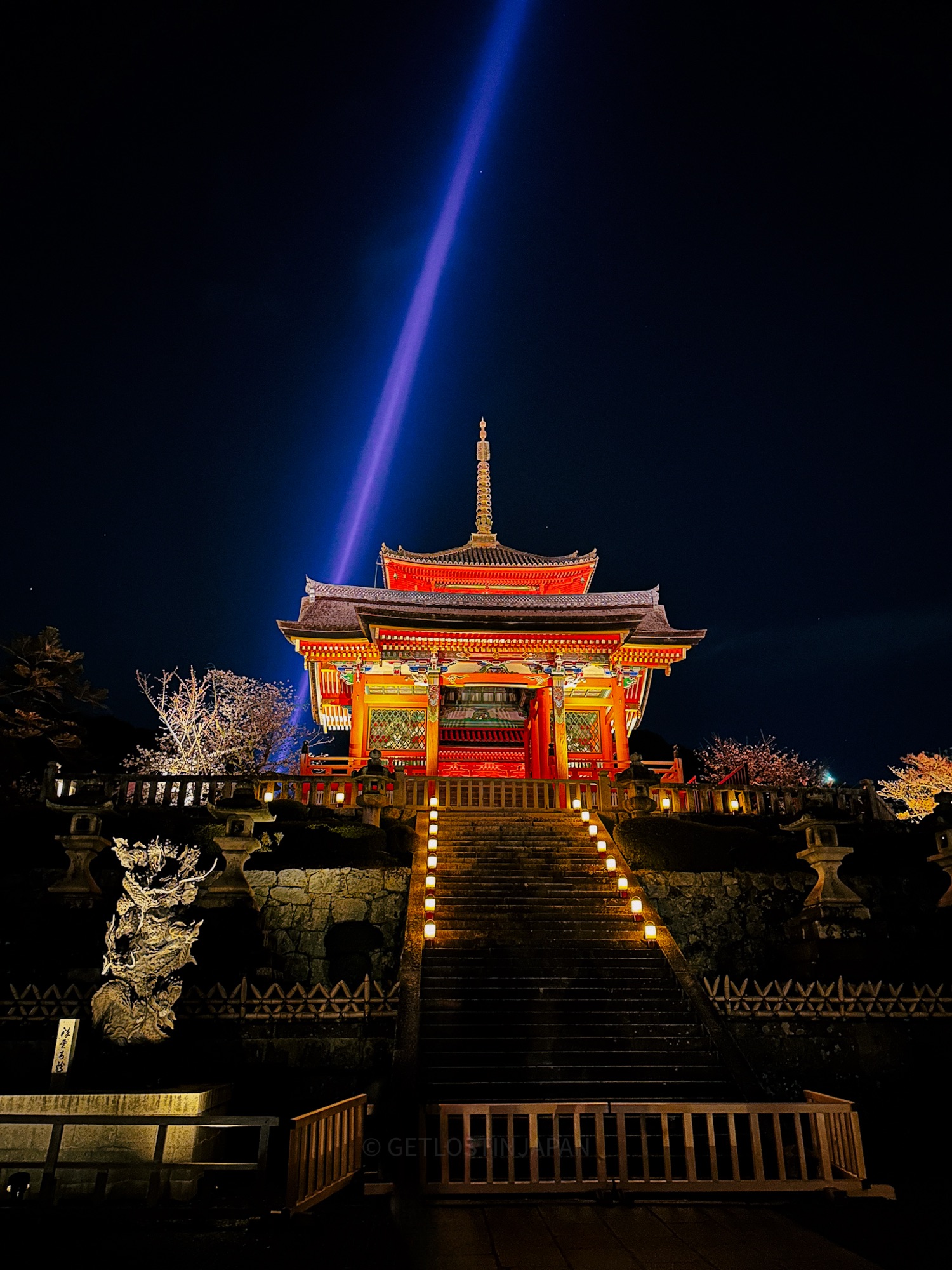
During the day, all the surrounding shops and food stalls are open to explore and you can walk down to Higashiyama afterward.
Lunch: Sannenzaka + Ninenzaka
After Kiyomizu-dera, slowly make your way down through Sannenzaka and Ninenzaka.
These historic sloped streets are packed with cafés, restaurants, souvenir shops, desserts, and little boutiques.
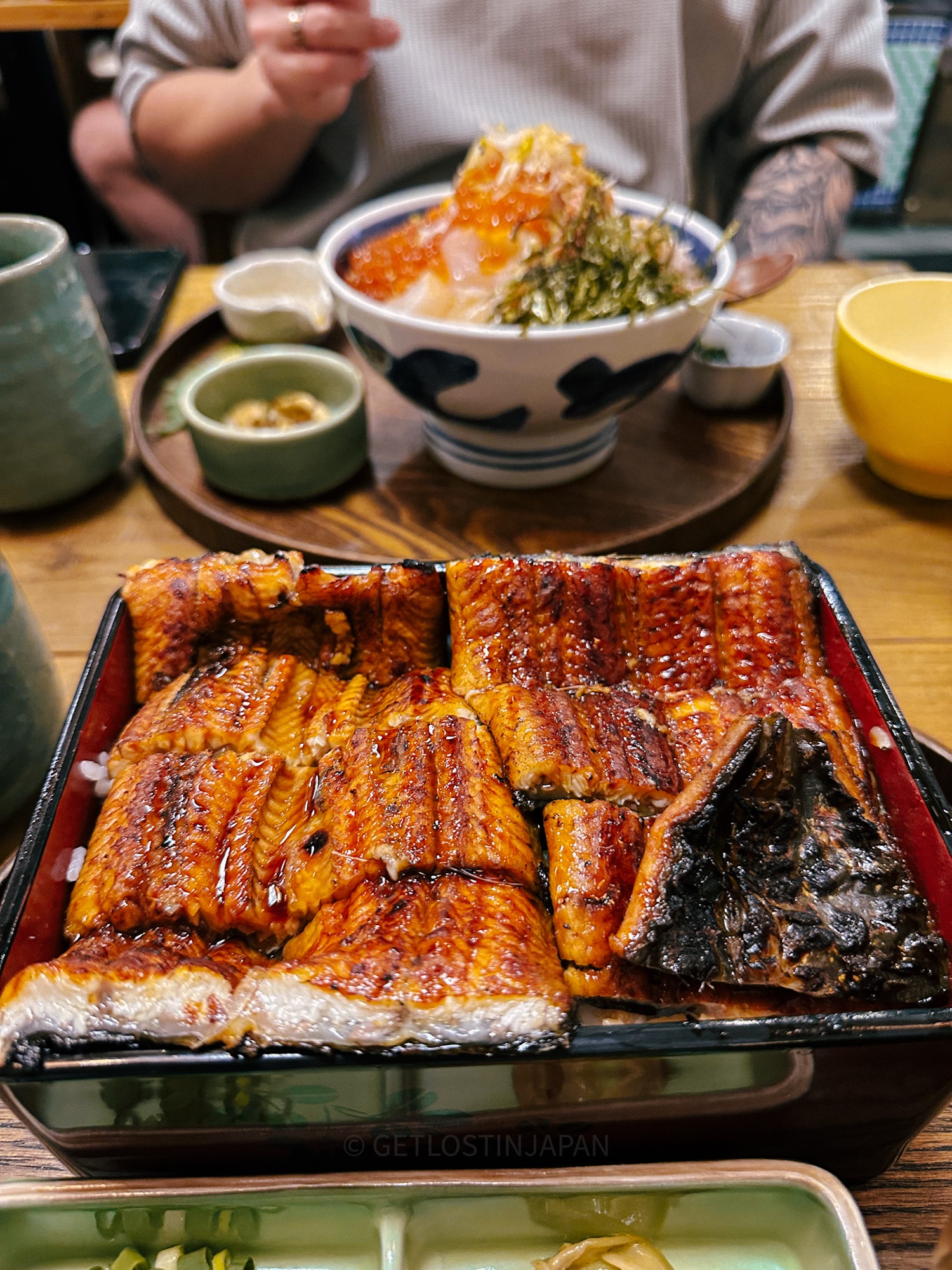
There are sooo many places to eat around here that you can honestly just pick whatever looks good.
But if you love seafood like I do, try Kyouunawa Honten. They specialize in eel, or unagi. It’s significantly cheaper than what you’ll pay in the United States, and it is EXTREMELY. DELICIOUS.
Definitely try it at least once during your trip!
Afternoon: Explore Higashiyama
After having a relaxing lunch, take some time exploring this area. Higashiyama is one of my favorite neighborhoods in Kyoto to walk around.
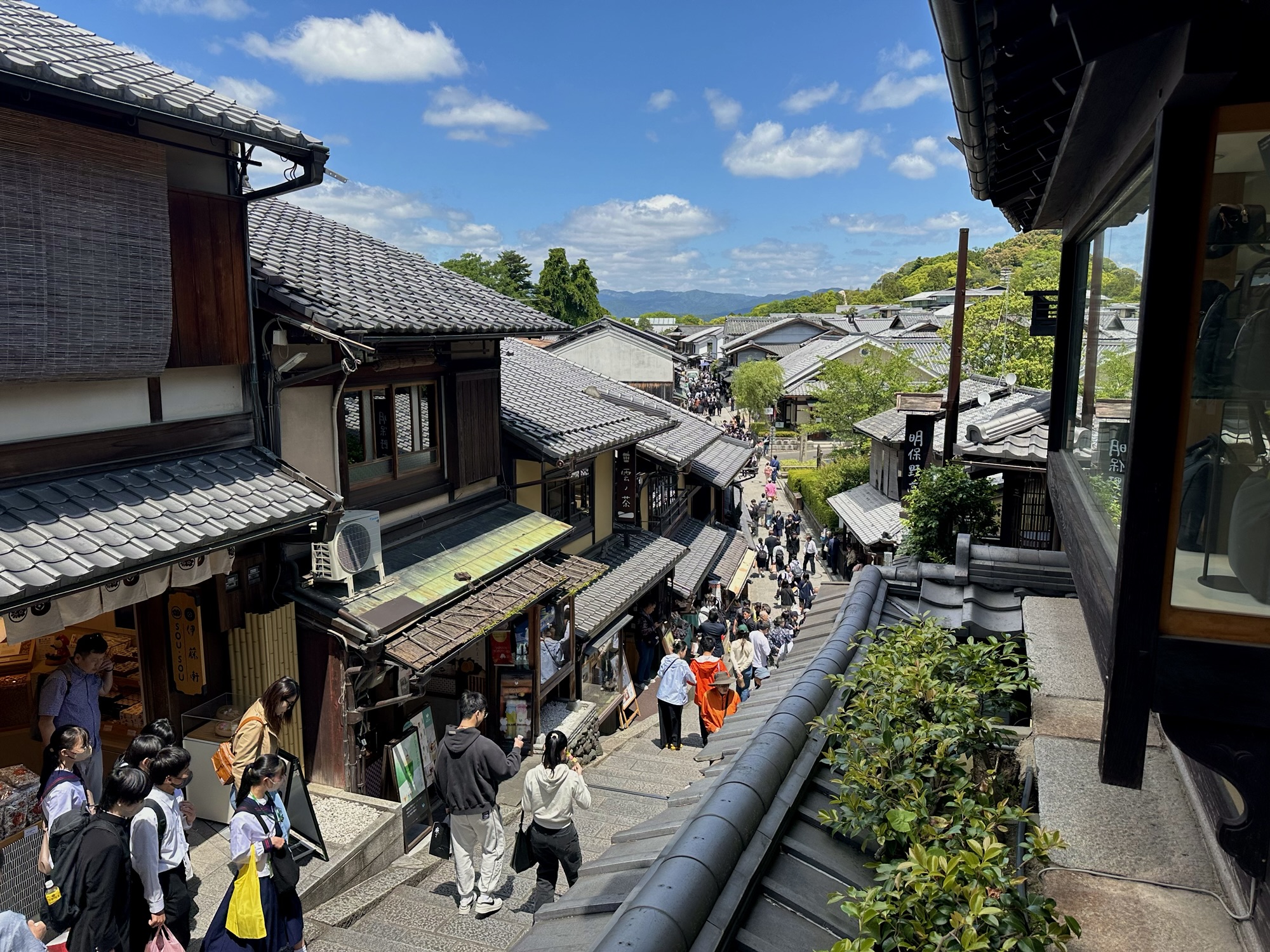
Sannenzaka and Ninenzaka can be crowded with tourists, but the traditional architecture and hilly streets are also exactly what most people picture when they imagine Kyoto.
There are souvenir shops, cafés, vintage stores, luxury thrift stores, clothing stores, and plenty of places to stop for desserts. You can easily spend several hours wandering around.
Optional: Sanjusangen-do Temple
If you’d like to visit another temple, Sanjusangen-do is nearby and is a smaller but unique temple.
This temple is much less visually dramatic from the outside than places like Kiyomizu-dera, but the interior is extremely unique.
Inside are 1,001 golden statues of Kannon, the goddess of mercy. It’s very spiritual and different from most of the other temples you’ll visit in Kyoto.
Dinner - Itsukichaya
Okay we’ve had yakiniku, ramen, yakitori, kaiseki… now let’s have some authentic Japanese cuisine! Itsukichaya has a large menu with a variety of seasonal Kyoto dishes, like fresh seafood as well as wagyu beef, so everyone should be able to find something they like.
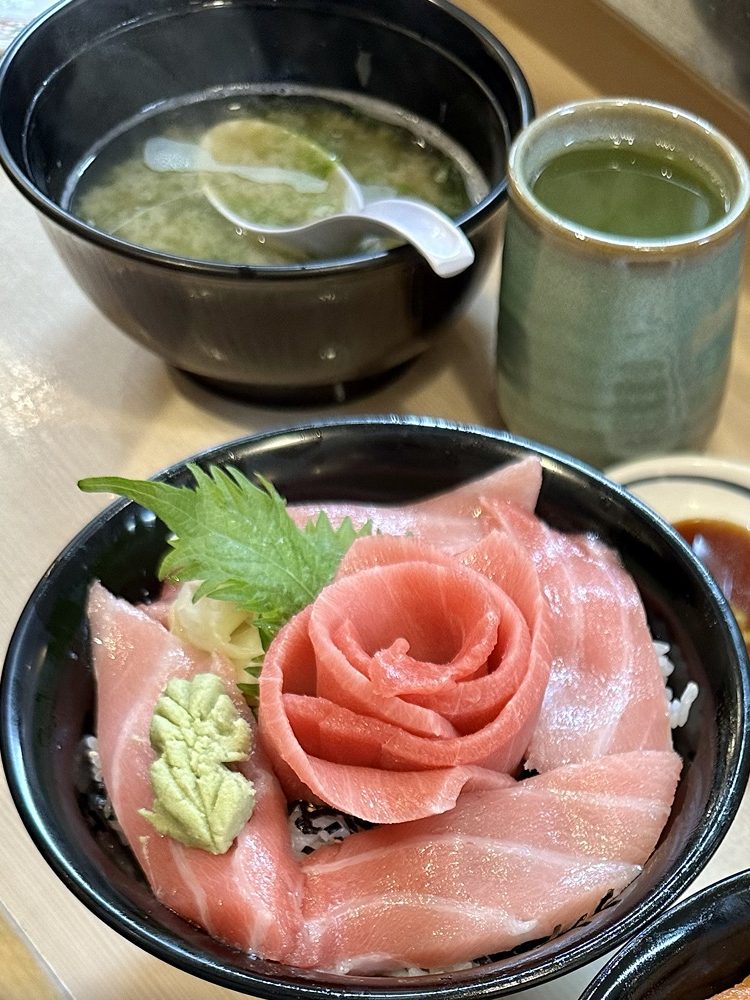
I personally love the restaurant because you get a great view of the kyoto streets from the second floor, and there’s a clear english menu. The staff are also very accommodating and can speak english! I love either the wagyu sukiyaki hot pot or the kaisen-don rice bowl with fresh fish. (Although Hokkaido’s kaisen-don will never be beaten in terms of taste or price!)
Night - Yasaka Pagoda Picture Spot
Before you head back to the hotel after dinner, make sure to stop by the famous photo spot. This is the place to get that beautiful photo of the Yasaka Pagoda in Kyoto’s historic streets. It’s a few blocks away from the actual Hokan-ji Temple, where the pagoda is located.
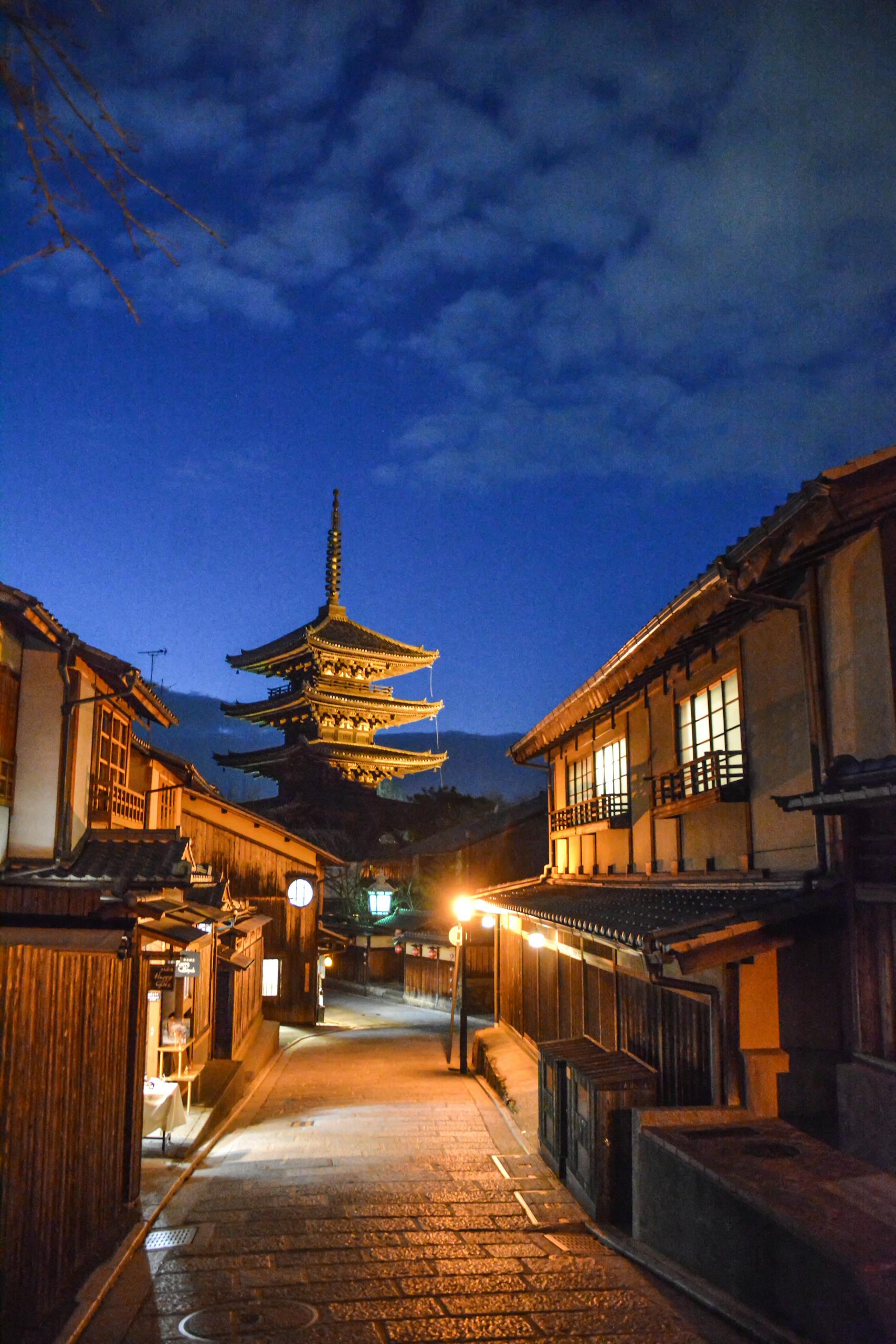
Also, if you like alcohol, I recommend checking out K36, a rooftop bar with a stunning view of Hokan-ji pagoda during sunset!
Day 5: Day trip to Uji or Nara
For the final day of your 5 day Kyoto itinerary, get outside the city. I recommend two amazing cities: Uji or Nara.
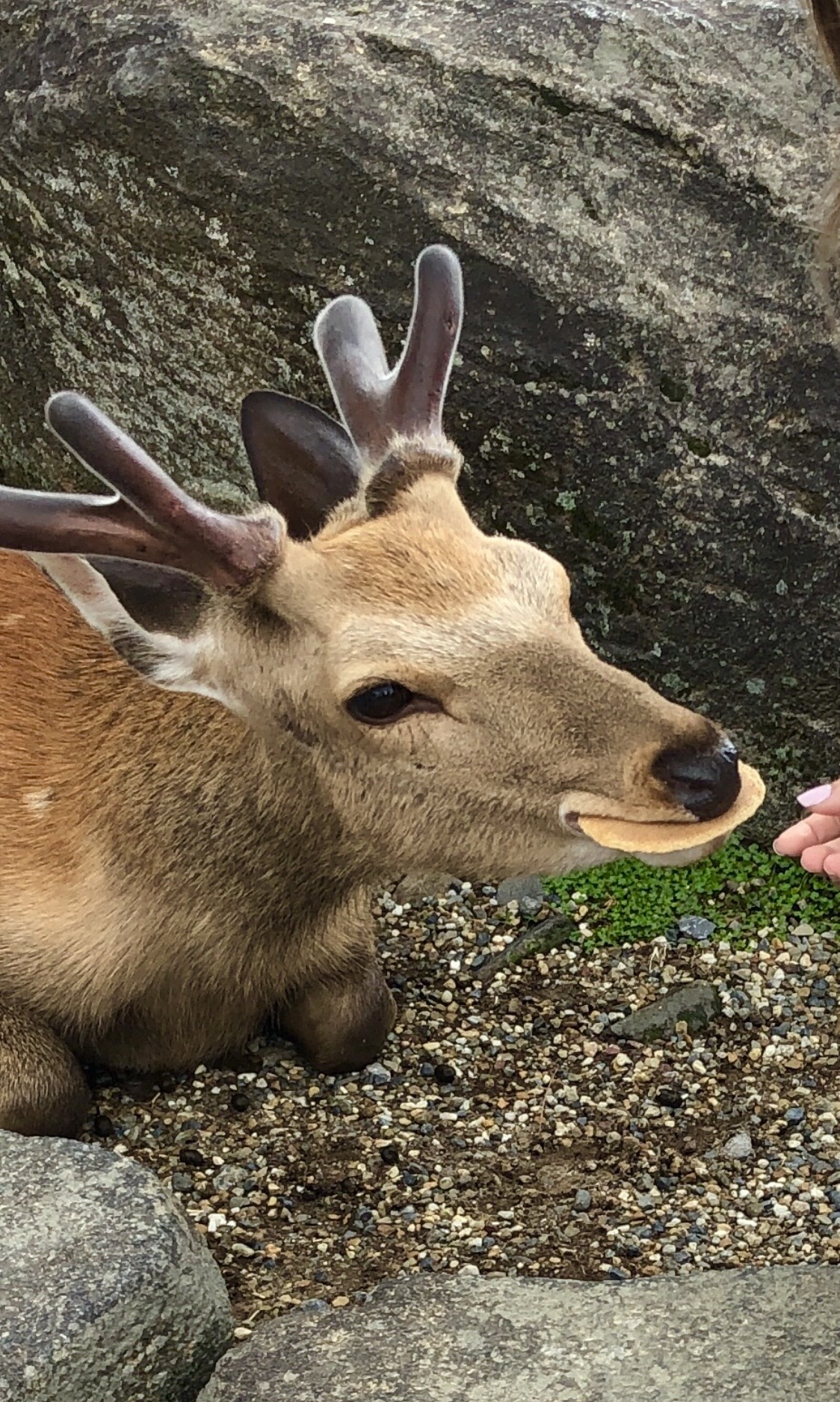
Most first-time visitors to Japan choose Nara because of the famous bowing deer. It’s such a unique experience and I definitely think it’s worth doing at least once.
But if I had to personally choose between the two, I actually prefer Uji.
Uji feels calmer, and if you love matcha, tea, ceramics, and traditional Japanese culture, it’s such a fun day trip.
You can visit either destination from Kyoto, so choose based on what interests you more.
And if you are a REAL go-getter, you can technically visit both Nara and Uji in one day, if you really can’t decide.
Option 1: Uji
Choose Uji if you love:
- Matcha
- Traditional Japanese tea
- Handmade ceramics
- Tea ceremonies
- Temples
- Quieter towns
Uji is Japan’s most famous tea-producing city, so basically everything here revolves around matcha. Which I am all for!!!
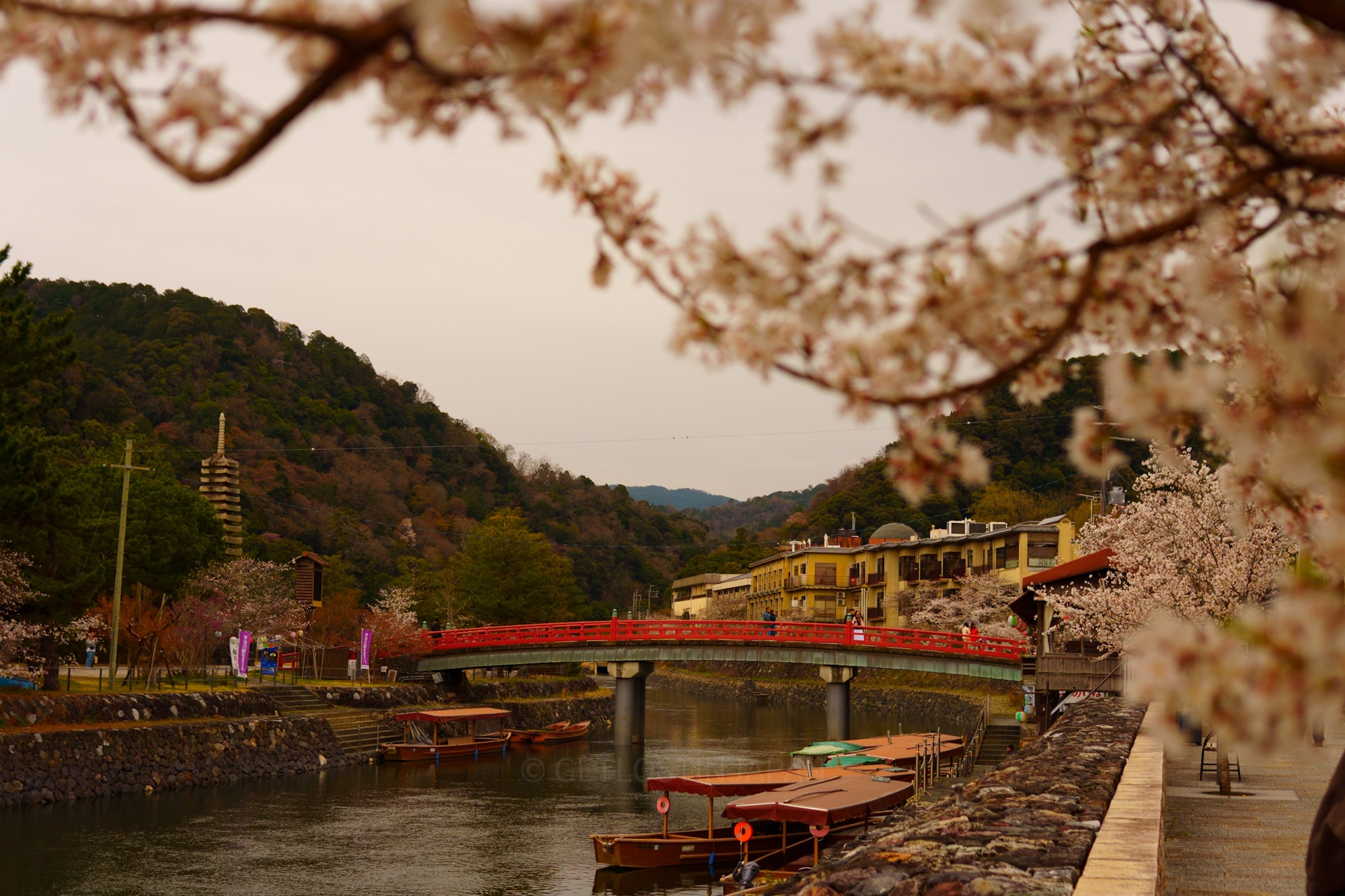
You’ll find matcha desserts, matcha soba, tea shops, cafés, and traditional tea experiences throughout the city. I also loved browsing the handmade ceramics and tea-related shops here.
One of the biggest attractions is Byodo-in Temple, which is also depicted on the Japanese 10-yen coin.
If you want more details, I have an entire Uji day trip itinerary here.
Option 2: Nara
Choose Nara if you want:
- Bowing deer
- Todai-ji
- The Great Buddha of Nara
- Kasuga Taisha Shrine
- Mochi pounding
- A classic first-time Japan day trip
The deer are obviously the main attraction.
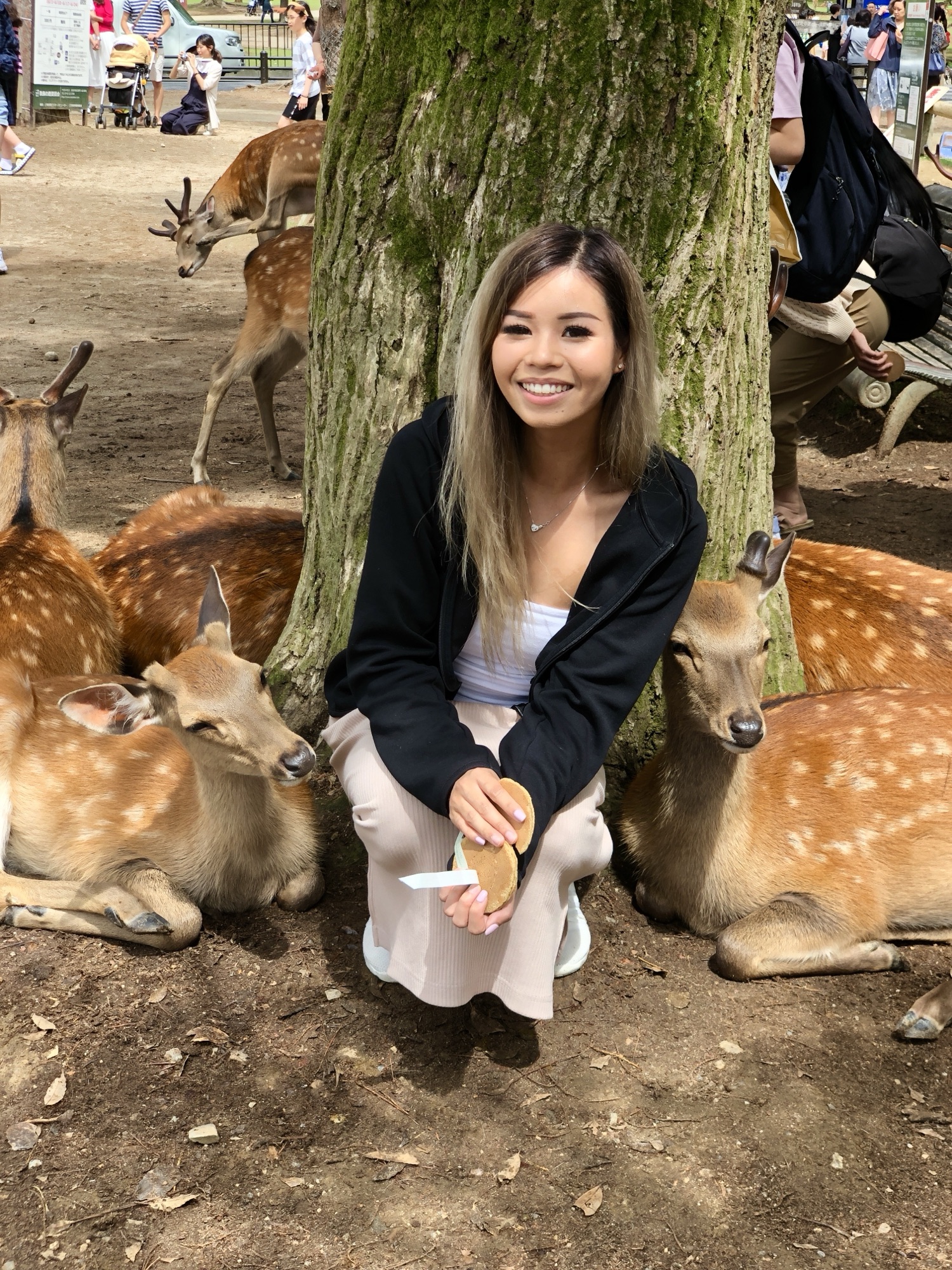
You can purchase special crackers to feed them, and many of the deer have learned to bow for food.
Yes, it’s touristy. But just as cute and endearing.
Nara is also home to some incredible temples and shrines, so there’s much more to the city than just the deer.
If you want help planning your day, read my complete Nara day trip itinerary here.
And, okay, if you reallyyy can’t decide, there are also organized tours that combine both destinations.
🌸 This highly booked tour visits Nara and Uji in the same day and includes transportation from Kyoto! 🌸

Where to Stay in Kyoto
One thing you should know before planning your 5 days in Kyoto is that the attractions are pretty spread out.
I’ve stayed near Kiyomizu-dera as well as around Gojo, and I personally think staying somewhere relatively central or near Kyoto Station makes getting around much easier.
That being said, I loved both of the hotels I stayed at for completely different reasons.
Luxury - Nazuna Kyoto Nijo-jo
If you’re interested in staying in a machiya, a traditional Japanese home, then Kyoto is a great place to do so.
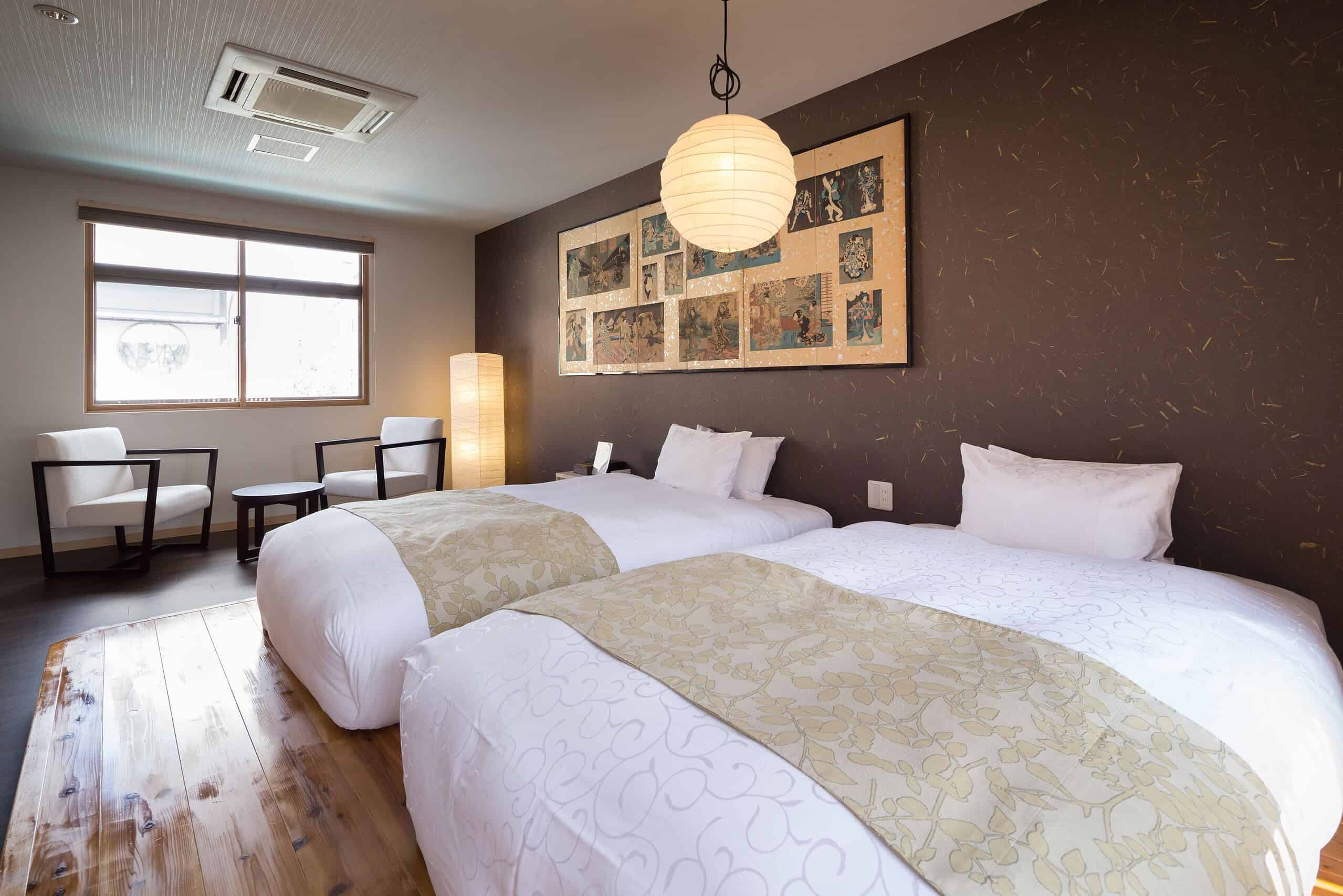
Nazuna is a brand that has converted Japanese homes into luxurious accommodations where you can experience elevated local living without missing out on incredible hospitality and beautiful meals.
Nazuna Kyoto Nijo-jo was featured in the 2020 Michelin Guide as one of the best places to stay in the city, so you can expect top-tier service and incredible amenities.
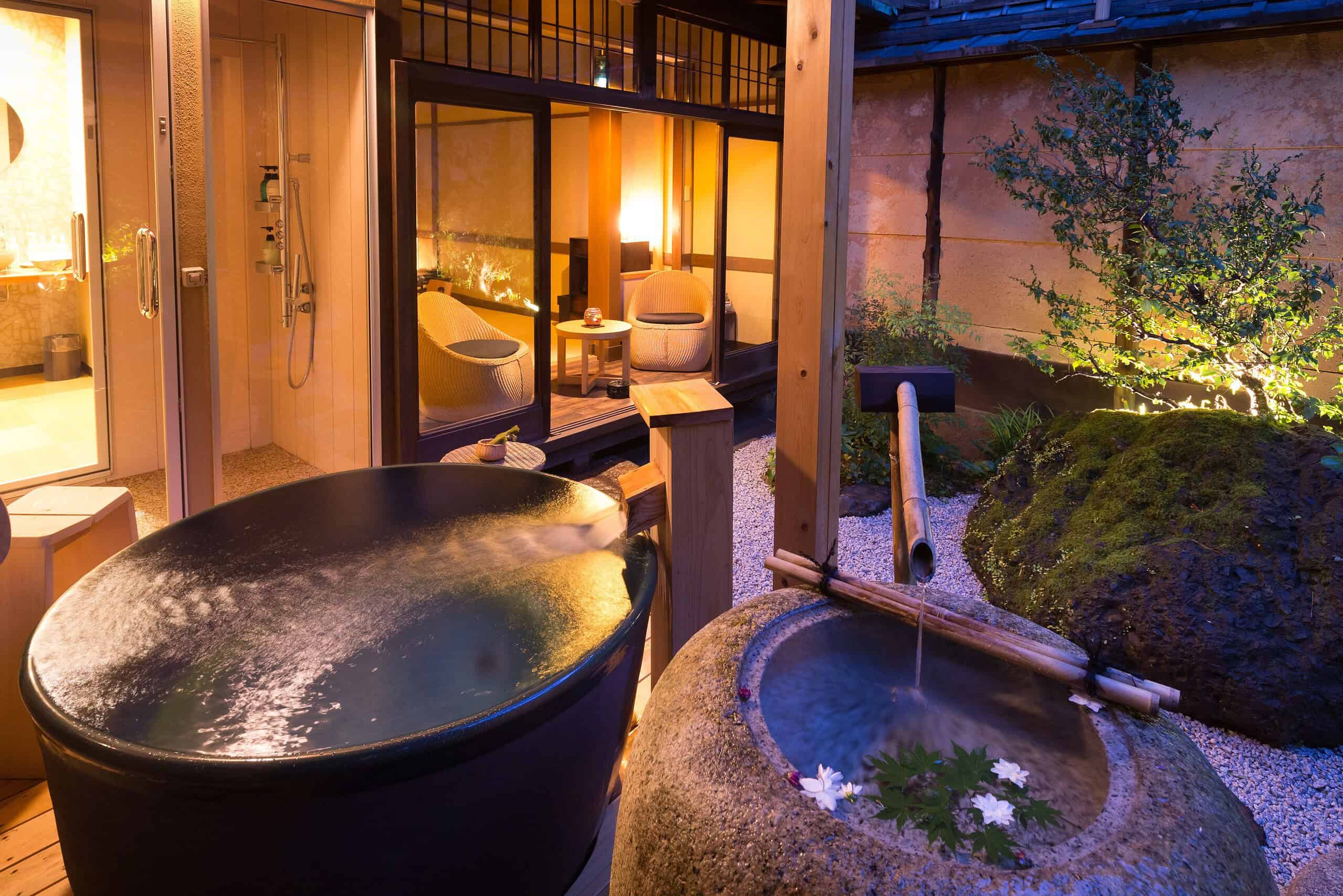
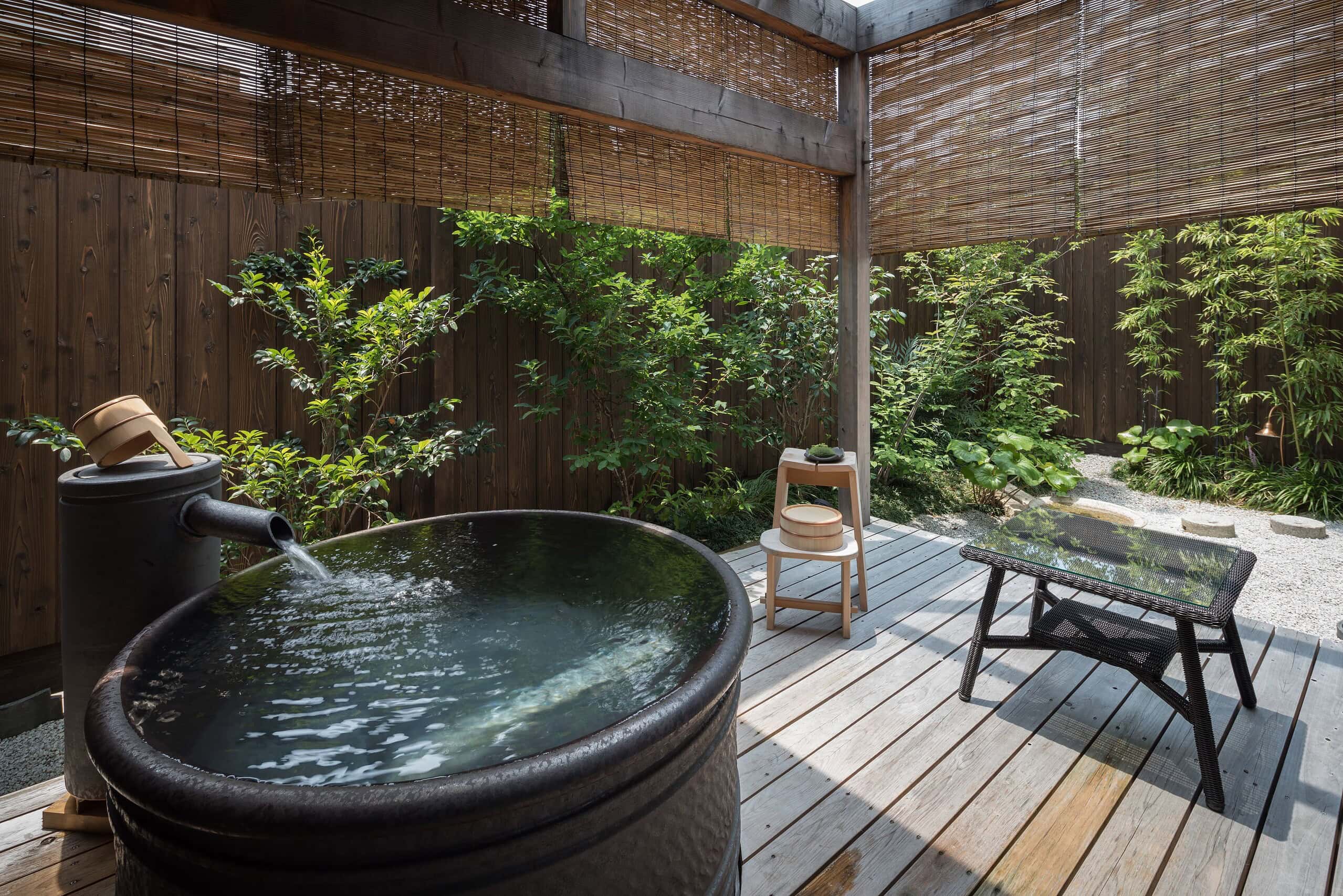
There are only five suites, making each stay feel intimate and exclusive. Each suite feels like a private peaceful retreat, where you can unwind in your open-air bath enveloped with the scent of cedar and the quiet bubble of a bamboo fountain.
Mid-Range - Saka Hotel Kyoto
If you want something luxurious but affordable, Saka Hotel Kyoto is one of my favorite places I’ve stayed in Kyoto.
It’s located walking distance from Kiyomizu-dera and feels like a middle ground between a traditional Japanese ryokan and a modern luxury hotel.
You still get the incredible service and atmosphere you’d expect from a ryokan, but the rooms have Western-style beds and a much more contemporary design.
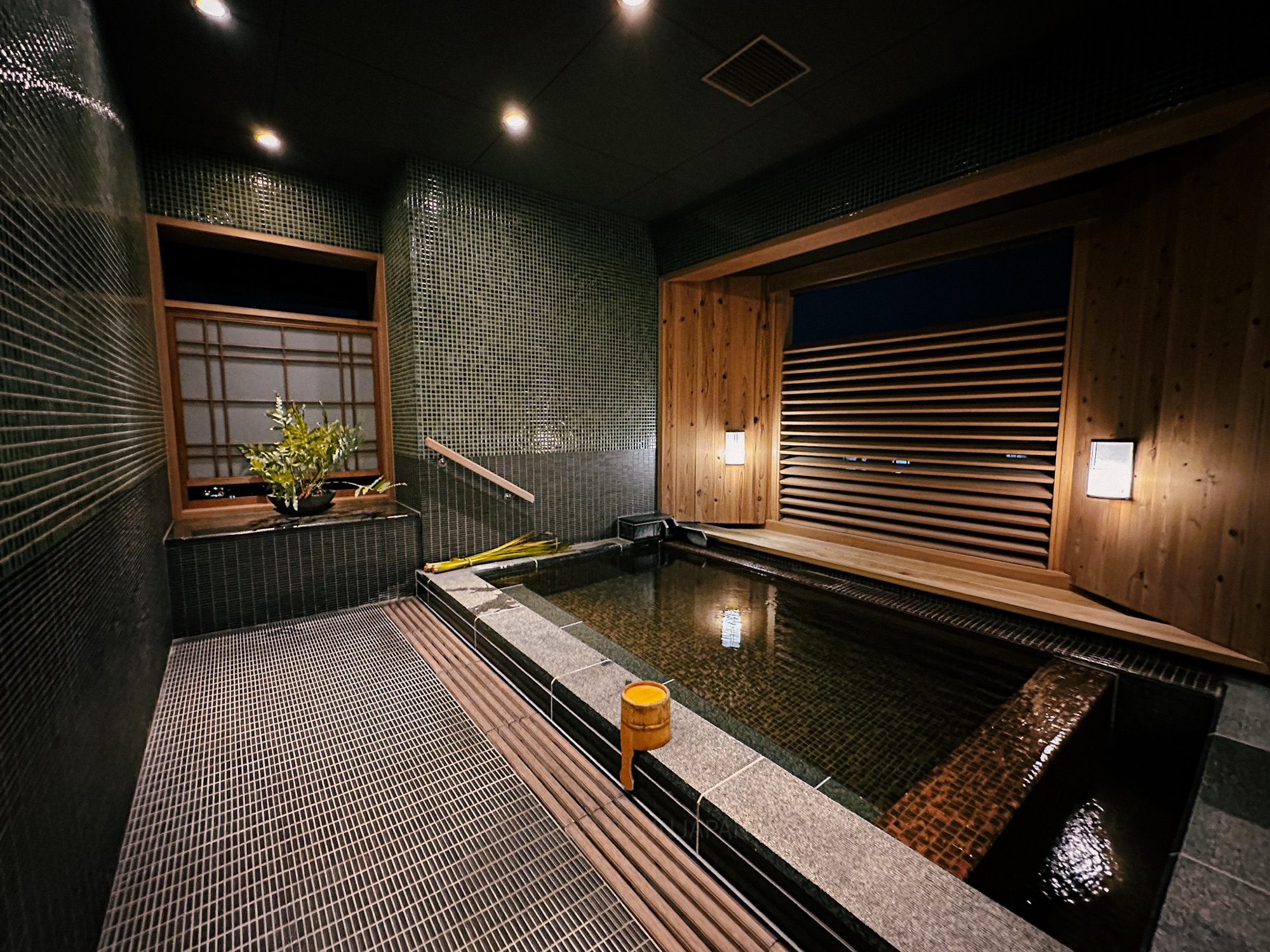
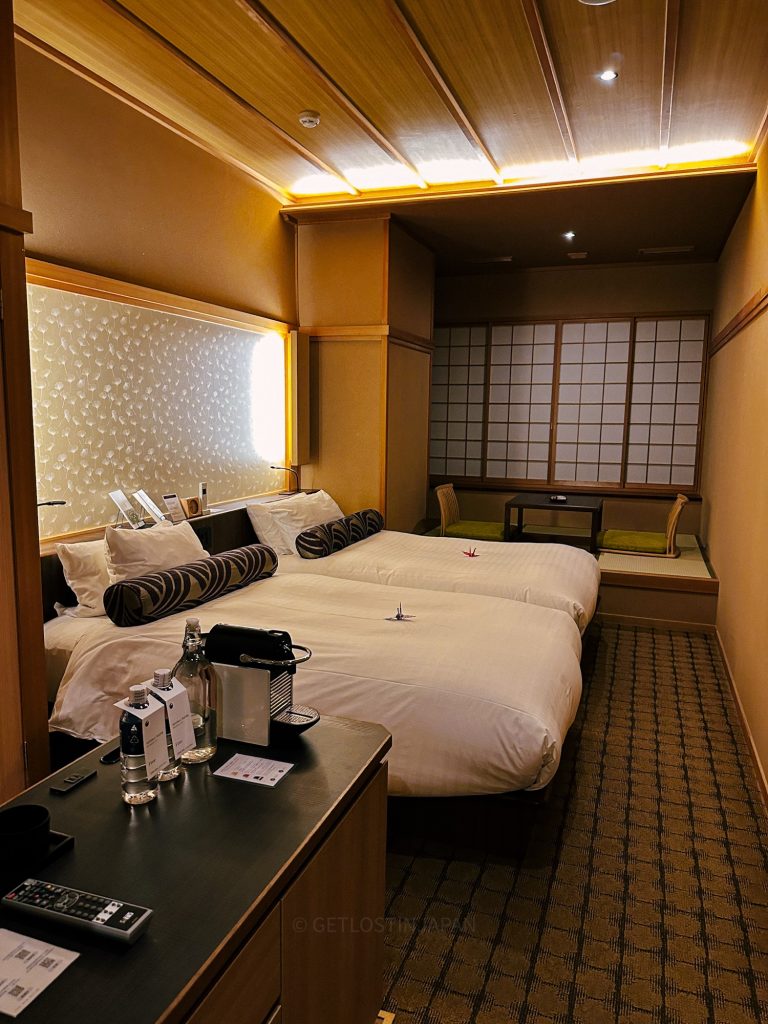
The rooms are HUGE by Japanese standards and beautifully designed.
My favorite parts were the private onsen you can reserve and the decadent kaiseki dinner.
We booked dinner during our stay and were given our own private dining room. The meal was sooo good and included dishes like Spanish mackerel and hot pot with Japanese black beef.
There’s also a lounge with complimentary snacks, coffee, and ice cream that we hit up every. single. Night. No shame.
If you want to know more, I have an in-depth Saka Hotel Kyoto review here.
Budget - M’s Hotel
I recently stayed at M’s Hotel Gojo Odawara and really liked it.
The room was spacious compared to typical Japanese hotel rooms, the beds were super comfortable, and the entire property felt modern and clean.
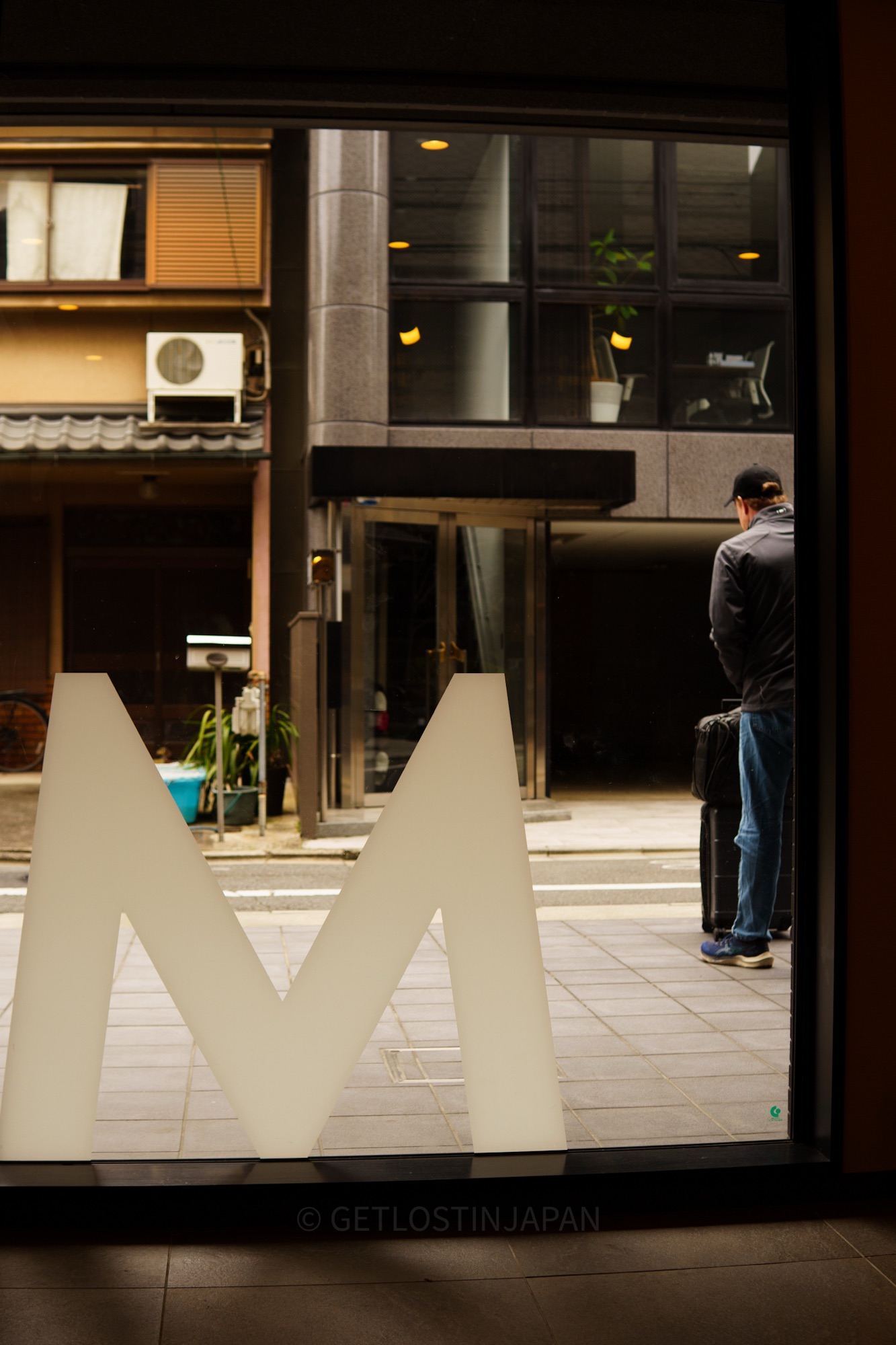
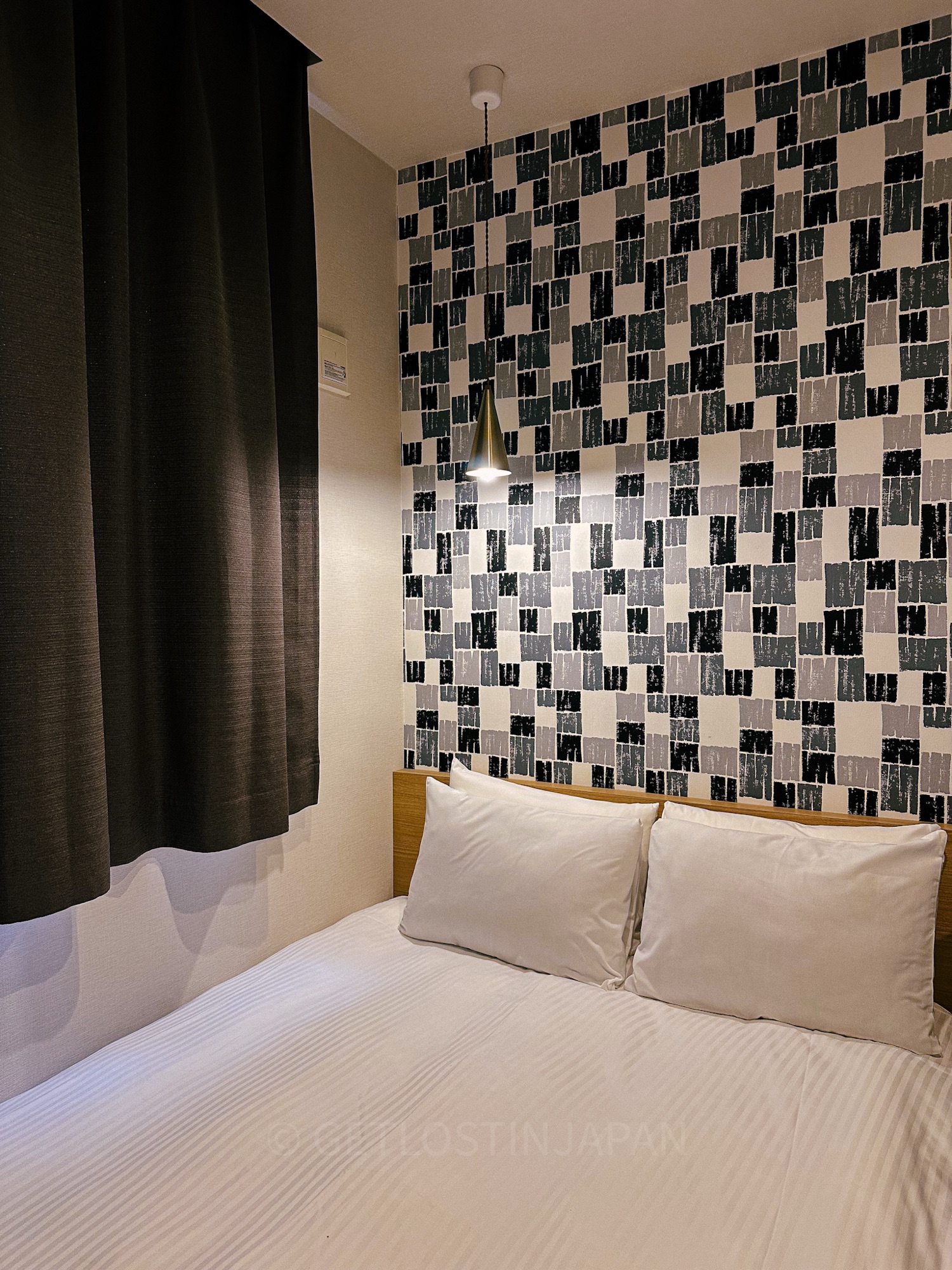
It also has keyless entry and is only around a six-minute train ride from Kyoto Station, which makes getting around very convenient.
My only complaint was that the bathroom had the only mirror in the room, but you don’t have to listen to the small woes of a little girl who likes to look at her outfit before heading out for the day. It really wasn’t a big deal.
There’s also a little lounge area downstairs with games and books, and I found the hotel staff really kind and helpful.

5 Day Kyoto Itinerary FAQs
Let’s get into some common questions you might have while planning your Kyoto trip!
How many days do you actually need in Kyoto for a first time visitor?
Realistically, you could make Kyoto work with 3-4 days, but I love Kyoto much more than Tokyo or Osaka so I think 4-5 days is perfect so you can explore Kiyomizu-dera, Fushimi Inari, Nijo Castle, and Arashiyama fully.
Is 5 Days in Kyoto Enough?
Yes, 5 days in Kyoto is definitely enough for a first time visitor! You’ll have enough time to see Kyoto’s major attractions, spend an entire day exploring Arashiyama, experience neighborhoods like Gion and Higashiyama without rushing through them, AND still have time for a day trip.
There are 17 UNESCO World Heritage Sites in Kyoto alone, but too much of a good thing can get tiring. Temple fatigue is kind of a real thing!
Is 5 days in Kyoto too much?
I don’t think 5 days in Kyoto is too much, but it depends on how long your trip is. If you have 2 weeks in Japan, then definitely spend 5 days in Kyoto for your first time. If you only have 10 days in Japan, then I would cut it down to 5 days in Tokyo, 3 days in Kyoto, and 2 in Osaka. I’ve also written a 2 day Kyoto itinerary and a 1 day Kyoto itinerary that you can check out.
Should I stay in Kyoto or Osaka?
Oooh, great question. I’ve stayed in Kyoto twice and Osaka twice, and I personally enjoy staying in Kyoto more. Osaka is mostly for shopping and eating, but Kyoto has a nostalgic charm with its cobblestone streets and quiet teahouses. I guess I feel like Kyoto has more character?
Conclusion - 5 Day Kyoto Itinerary
There you have it, a slower paced 5 days in Kyoto! Isn’t it such a charming, historic city? I absolutely love this city with my entire heart, and I know you will too.
If you’re unsure where to head next, I recommend checking out my full 10 day Japan itinerary, which takes you down the Golden Route of Tokyo, Kyoto, and Osaka.
You may also want to check out a machiya or ryokan in Kyoto during your trip, so click here for my full list of Kyoto ryokans that I have personally stayed in and recommend.
If you have any questions at all, feel free to shoot me an email or leave a comment! Happy travels!
Related Posts